
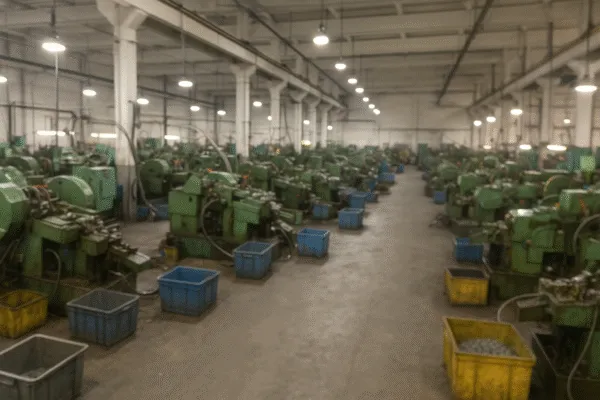
I buy custom screws from China for my business, so I must confirm who really makes my parts.
To confirm a China custom screw supplier1, I check legal registration, real workshop proof, production equipment and in house processes. This method helps me control price, lead time, packaging quality and long term risk.
So in this guide, I share the same checklist I now use as a buyer. I also combine what I learned from Prime, a real factory that supplies custom fasteners and related metal components worldwide.
How do I check factory registration and legal identity in China?
I often see a “China custom screw factory” online, so I feel doubt at first and slow down.
I always ask for the full Chinese legal name, business license2 and unified social credit code3, then cross check the data on official platforms to confirm a real manufacturing company, not only a trading shell.
So once the legal data looks solid, I feel ready to discuss drawings, tooling and long term supply plans.
I now follow a fixed legal checklist for every China custom screw supplier1. I learned this after one trader disappeared before peak season, and I lost one full container of sales. So I never skip this step now.
First, I ask for a clear photo of the Chinese business license2. I check that the legal name matches the name on their website and quotation. Second, I copy the unified social credit code3, which works as a unique company ID in China, and I verify it on official enterprise credit systems or trusted legal portals. Third, I read the business scope and make sure it includes manufacturing or processing, not only “import and export service”.
Then I check quality system claims. I ask for ISO 9001 certificates4 that cover fasteners or metal components. ISO 9001 belongs to the wider ISO 9000 family of quality management standards, which help companies prove they can meet customer and regulatory requirements in a consistent way. ([International Organization for Standardization][1]) When a factory like Prime shows valid ISO certificates for their production, I know they follow recognized methods, not only internal habits.
Key registration items I always confirm
| Item | What I check | Why it matters |
|---|---|---|
| Chinese company name | Same on license, website and quotation | Shows one clear legal identity |
| Unified social credit code | Exact 18 character number | Lets me verify the company on Chinese platforms |
| Registered business scope | Words for manufacturing and processing5 | Proves they can run a custom screw factory |
| Registered address | Industrial zone, not only a downtown office | Reduces risk of a fake “virtual” factory |
| ISO 9001 certificate | Scope covers fasteners or metal parts | Supports claims of controlled quality management |
If a salesperson refuses to share the license, I slow down at once. If the scope only shows trade activities, I treat them as a trader, and I only place very small test orders. With Prime, the license and ISO documents match their real activities in stamping parts, CNC parts, welding parts, casting parts, fasteners and plastic parts, so I felt safe to move forward.
How do I use workshop photos6, videos and maps to verify a real factory?
After the legal check passes, I want to see the workshop, not just a nice office with posters.
I request photos of cold heading machines, thread rolling, heat treatment, sorting and packing, then match the images with map data at the same address to confirm a real industrial site.
So this step turns a registration record into a visible plant with real machines and real workers.
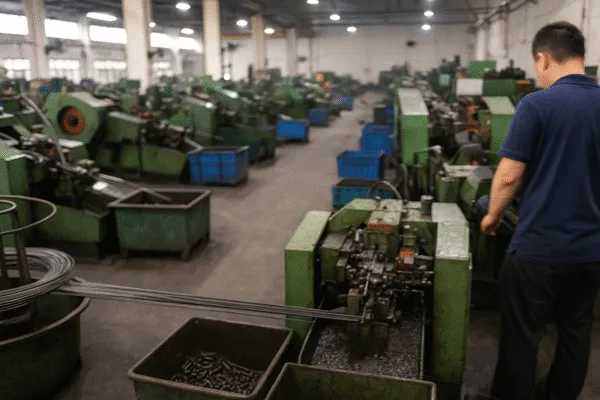
I always ask for both wide and close up shots from the workshop floor. First, I want a wide view with several cold heading machines1, wire coils and operators in one line. Second, I ask for close shots of thread rolling machines2 with different dies and screw sizes. Third, I request photos of heat treatment furnaces3, plating areas and export packing lines with scales, labels and pallets.
Real factories send such photos quickly, because they feel proud of their lines. Traders often send only office desks, trade show booths and coffee corners. A traderUsually, there are only office photos and vague descriptions of "cooperative factories".So when I see only office scenes, I know they do not control the machines that shape my screws.
I also look at small details. I check safety signs, oil trays, tool racks and in process bins. A real workshop looks busy but ordered, with clear paths and marked areas. A random stock photo often looks too clean, too empty, or does not match the factory size they claim.
How I match photos with map data and live video
| Step | What I do from my desk | What I learn |
|---|---|---|
| Check satellite view | I look at roof size and layout | I confirm an industrial plant, not a small office |
| Check street view or gate | I compare the gate and signboard with photos | I match the real building with the legal name |
| Check nearby buildings | I look for other factories, not only shops | I confirm a proper industrial zone |
| Ask for live video call | I ask the salesperson to walk through the floor | I confirm real machines, workers and daily production |
Then I ask for a short live video call from the workshop. During the call, I ask simple questions about each machine. For example, I ask when they bought a cold heading line and how many shifts they run. Real engineers answer with clear numbers and simple language, and they move the camera when I ask.
When I did this with Prime, their engineer walked from the gate to the cold heading area. He showed wire coils, running machines and finished screws. He also showed workers checking screw head sizes with calipers and thread gauges in real time. That short call matched their sales story, so I removed my doubt about their factory identity and placed my first trial order.
What production equipment and in house processes show a real custom screw factory?
Once I see the workshop, I still want to know production depth4 and process control5. I do not stop with simple photos.
I map the full process from wire to export cartons, then choose suppliers that handle cold heading, thread rolling, heat treatment, inspection and packing in house, because they control quality, delivery and cost better.
So a true custom screw manufacturer6 in China can show me a clear process map and an honest equipment list for each step.
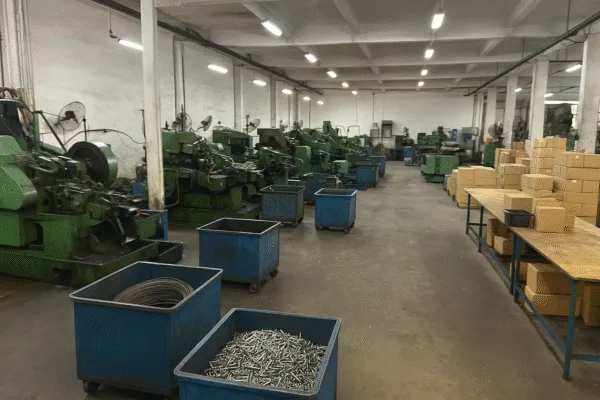
I always ask for a flow chart for my screw type. A carbon steel screw often follows this path. First, wire preparation and drawing. Second, cold heading. Third, thread rolling. Fourth, heat treatment. Fifth, surface treatment1. Sixth, final sorting and packing.
At the same time, I check which screw standards they use every day. For carbon steel and alloy steel screws, I ask about ISO 898-12, which defines mechanical and physical properties and property classes for such fasteners. ([International Organization for Standardization][2]) For stainless steel screws, I mention ISO 3506-13, which specifies mechanical and physical properties of stainless steel bolts, screws and studs. ([International Organization for Standardization][3]) If an engineer can link these standards to furnace settings, hardness targets and test plans, I know I am speaking with a real technical team, not only a salesperson.
Prime also follows ISO 90014 based systems for quality management. Public ISO guidance shows that such systems require documented processes, risk based thinking and continuous improvement, not only final inspection. ([International Organization for Standardization][1]) When I compared their internal flow with these ideas, I saw a strong match, which increased my trust further.
Typical process steps and who should control them
| Step order | Process step | Who should control it | My risk if they cannot control it |
|---|---|---|---|
| 1 | Wire preparation | Factory or stable steel partner | Wrong material, wrong mechanical grade |
| 2 | Cold heading | Factory cold heading line | Poor head shape, cracks, tool failure |
| 3 | Thread rolling | Factory thread rolling line | Bad fit, low torque, assembly problems |
| 4 | Heat treatment | Factory furnace with record system | Wrong hardness, brittle or soft screws |
| 5 | Surface treatment | Factory or audited plating partner | Weak coating, rust, poor appearance |
| 6 | Final sorting and pack | Factory packing and QA team | Mixed parts, wrong labels, damage in sea |
I also ask about raw materials and how they choose them. For basic carbon steel screws, I care about cost and simple protection. For high strength screws that match Siemens related parts, I care more about alloy choice, heat treatment control5 and documented tests. For outdoor stainless screws, I focus on steel grade and long term corrosion behavior.
Here, broad metal knowledge helps me. Prime does not only supply fasteners and custom screws. They also run lines for stamping parts, CNC parts and casting parts. Because they know many metal processes, they can align screws with brackets, machined parts and plastic inserts in one one-stop project.
For critical projects, I sometimes request PPAP style documentation6, similar to what automotive buyers require. Prime can share process flow charts, control plans, measurement reports and sample approvals for key screw families. That extra level of evidence sits on top of their ISO system and makes my own audits much easier.
How material choice7 changes both cost and risk
| Material type | Typical use for screws | Cost level | Risk if misused |
|---|---|---|---|
| Carbon steel | General industrial, indoor applications | Low | Rust in wet or coastal environments |
| Alloy steel | High strength, structural or automotive | Medium | Brittle failure if heat treatment goes wrong |
| Stainless steel | Outdoor, food, chemical, coastal environments | Higher | Galvanic issues with wrong mating parts |
I like suppliers who understand these trade offs and who can also point to independent references. For example, engineers at Prime know handbooks from the Industrial Fasteners Institute8, a trade association that represents North American fastener manufacturers and publishes widely used design guides. ([Industrial Fasteners Institute8][4]) This mix of internal experience and external standards gives me much more confidence in their advice.
How does factory vs trader change price, lead time and risk for custom screws?
After I confirm the technical side, I focus on money and delivery risk, because those decide my real profit.
A real China custom screw factory controls tooling, wire purchase, machine loading and packing, while a trader only adds margin on top, so price, delivery stability and claim handling all change.
So I now compare factory partners and trader partners on clear numbers, not feelings or nice words.
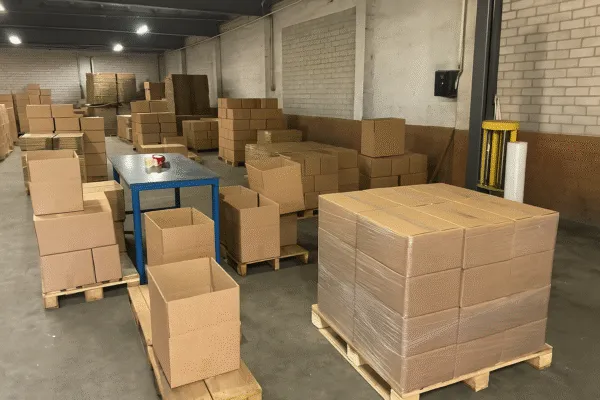
Real factories earn profit from steady capacity use and long term projects. They like repeat OEM orders with forecast and stable drawings. Traders earn profit from each shipment margin and currency play, so they chase short term price gaps between smaller workshops.
When I talk with a direct China industrial screw manufacturer, we discuss tool life, cycle time, scrap rate and packing labor. We can build a cost model together and plan cost reduction projects1 over time. When I talk with a trader, we mainly talk about “today’s best price”, and they avoid details about the real workshop.
| Aspect | Real factory partner | Trader or pure office |
|---|---|---|
| Base price for volume | Lower for stable forecasts | Higher due to extra margin |
| Price change logic | Linked to steel index and process cost | Linked to demand and supplier pressure |
| Tooling and setup charges | Clear, can tie to volume and PPAP needs | Often hidden inside unit price |
| Support for cost reduction | Strong, engineers improve process and layout | Weak, cannot change factory operations |
Lead time also looks very different. A real factory like Prime controls raw materials, internal schedules and packing teams. So they can promise a clear lead time and adjust capacity for urgent orders. A trader waits for feedback from different factories, then forwards messages in both directions. When one factory delays, the trader often blames “the market”, and my entire season suffers.
I experienced that before. A trader moved my order between two unknown workshops, and no one owned the schedule. So my delivery slipped by six weeks, and my customers did not accept the excuse.
How I connect lead time, risk, packaging and long term cooperation
| Topic | Real ISO certified factory | Typical trader office |
|---|---|---|
| Lead time reliability | Uses fixed schedules and safety buffers | Depends on each small factory |
| Packaging control | Designs export packing and tests it | Accepts what the source factory offers |
| Claim handling | Checks root cause and adjusts process | Passes messages between many parties |
| Long term projects | Plans capacity and invests in tooling | Focuses on short term deals |
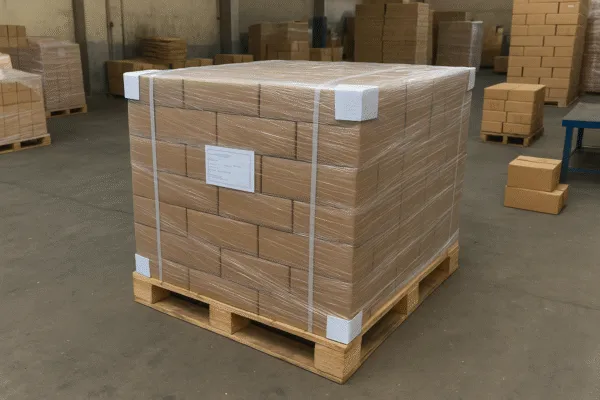
Kevin, who owns a US electronics distribution company, felt this difference clearly. He once relied on traders for Siemens related screw sets and brackets. Packaging arrived weak, labels were wrong, and two containers missed the selling window completely.
Now he works with Prime as his main China custom screw supplier1. Prime uses thicker cartons, inner bags and strong pallets for every screw shipment. They send packing photos and loading photos before vessel departure. For key projects, they even share PPAP style documents and delivery reports, so Kevin can show his own customers hard proof of control. His return rate dropped, and his profit and sleep both improved.
Because Prime also supplies fasteners and custom screws together with stamping parts, CNC parts and casting parts, Kevin now combines many items in one shipment. That structure reduces handling damage and lowers freight cost per part2.
FAQs: how do I verify and work with a China custom screw factory?
How do I verify a China custom screw factory from overseas?
I first collect legal data and photos, then I follow a clear sequence without skipping steps.
I check:
- Chinese business license and unified social credit code1
- Registered scope that includes manufacturing, not only trading
- Workshop photos for cold heading, thread rolling and packing
- Map data that matches the address and factory shape
- ISO 9001 certificate2 and basic knowledge of ISO fastener standards
When a supplier passes all points, I treat them as a real custom screw manufacturer in China3. Then I place sample orders and small trial batches before I move to full containers.
Can I work with a trader instead of a factory for custom screws?
I sometimes work with traders for small standard screws or urgent spot buys. They help when I need many small mixed cartons quickly. However, I avoid traders for Siemens related screws, stainless structural screws and critical safety parts, because the risk is too high.
| Project type | Who I choose |
|---|---|
| Simple standard screws | Either trader or factory |
| Custom screws with tooling | Direct China custom screw factory |
| Long term OEM projects | ISO certified custom screw factory |
| High packaging requirements | Factory with strong export packing standards |
So for serious OEM work, I always choose a real factory like Prime, not a loose trading office.
What minimum order quantity do real China screw factories prefer?
Most real factories prefer stable volume, but they also understand project growth and market tests. So they usually define three stages of quantity.
- Tooling and first article samples
- First small batch to test my market
- Standard production batches for repeat orders
Prime followed this logic for my first project. They accepted small PPAP style sample runs4, then they scaled to regular batches after I approved reports and parts. This step by step plan protected both sides and built trust.
How do I protect my screw design with a China custom fastener OEM supplier?
I sign a clear NDA that covers drawings, tools and end customer names5. I then choose a factory that runs in house tooling and production, and I avoid traders for confidential designs.
With Prime, I share drawings directly with their engineering team. They store files in controlled systems and limit access. They also mark cartons and documents with my internal codes, not my client names. For key projects, they can provide PPAP style documents with dimensional results, material certificates and process summaries, so my own customers feel secure.
If you also want such protection, you can start with a small project and use the same approach. You can even send your first RFQ through the Prime contact page, so the engineering team joins the discussion early.
How do I audit a China screw supplier without flying to China?
I use a mix of document review, remote video and third party audits6, so I control risk while I control travel cost.
| Step | Action | Result |
|---|---|---|
| 1 | Desktop review of legal data and photos | Filters out weak or fake suppliers |
| 2 | Live video tour of workshop and warehouse | Confirms real machines and daily production |
| 3 | Sample order with strict packing requirements | Tests quality, labels and shipping performance |
| 4 | Third party inspection for large first shipment | Gives independent report before full cooperation |
For very critical fasteners, I also ask the factory to reference ISO mechanical standards7 such as ISO 898-1 and ISO 3506-1 in their control plan, because those documents define clear property classes for carbon steel and stainless steel fasteners. ([International Organization for Standardization][2]) That small step shows me how seriously they treat mechanical performance.
Which search terms help me find real factories, not only traders?
I now use more specific search phrases and long tail keywords8, not general terms like “good screw supplier”.
Some useful search terms are:
- “ISO certified custom screw factory China”
- “China industrial screw wholesale manufacturer with in house cold heading”
- “custom fastener OEM supplier China for Siemens parts”
- “China custom screw supplier with export packaging experience9”
When a company like Prime appears for these long tail terms and shows real factory content10, I know they focus on production. Then I open their fastener and custom screw page and send my drawings directly to their factory team.
I also like to use external knowledge sources when I check drawings and standards. So I often look at these types of domains:
| Resource type | Example domain or organization | Why I use it |
|---|---|---|
| Global standards body | Official ISO website | I check ISO 9001, ISO 898-1 and ISO 3506-1 details ([International Organization for Standardization][1]) |
| Fastener trade association | Industrial Fasteners Institute11 | I reference design guides and see how global producers work ([Industrial Fasteners Institute11][4]) |
| Fastener training provider | Fastener Training Institute | I track training topics used by serious fastener professionals ([fastenertraining.org][5]) |
| General technical background | Reputable engineering encyclopedias and handbooks | I double check basic terms and mechanical concepts |
| National enterprise credit systems | Official Chinese enterprise credit platforms | I verify Chinese factory registration and status |
So when I see a China custom screw supplier that also appears in respected association lists or technical events, I gain extra confidence beyond my own checks.
Conclusion
Verify legal data, real workshops, in house processes and business terms before trusting any China custom screw supplier for projects.
Understanding these documents is crucial for verifying the legitimacy of suppliers in China. ↩
An ISO 9001 certificate indicates a commitment to quality management, essential for reliable suppliers. ↩
Finding a reputable manufacturer ensures quality and reliability in your custom screw projects. ↩
PPAP style sample runs help ensure that the production meets quality standards before full-scale manufacturing. ↩
An NDA protects your intellectual property and sensitive information when collaborating with suppliers. ↩
These methods provide a cost-effective way to assess supplier capabilities without traveling. ↩
ISO mechanical standards ensure that fasteners meet specific performance criteria, crucial for safety. ↩
Using long tail keywords improves search accuracy, helping you find specialized suppliers. ↩
Suppliers with export packaging experience ensure that products arrive safely and intact. ↩
Identifying real factory content helps ensure that the supplier is legitimate and focused on production. ↩
This institute offers valuable design guides and industry insights for fastener buyers. ↩