

Shandong Prime (est. 1993) · B2B wholesale only · Build-to-print plastic parts
Custom Plastic Parts Manufacturing
Precision molded components—focused on material compliance, dimensional stability, and appearance standards.
Note: final resin grade (including flame rating/color), tolerance, and appearance criteria are confirmed after drawing review and sample approval.
With complete RFQ info (resin grade/color/qty), we typically respond within 24 hours.
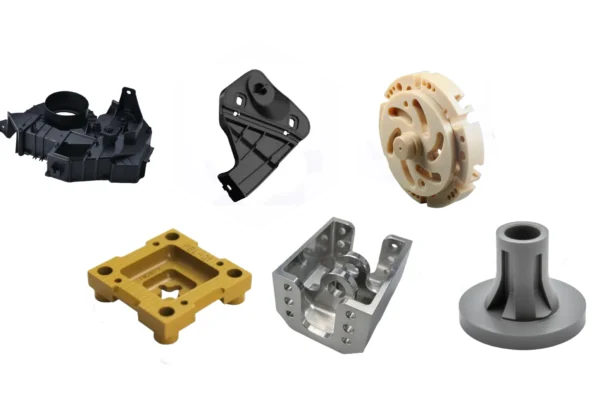
Common Products We Make in Custom Plastic Parts
Prime supports B2B projects with injection molding, CNC plastic machining, and sub-assembly. We focus on measurable outputs: sample approval, dimensional results, material traceability, and stable repeatability.
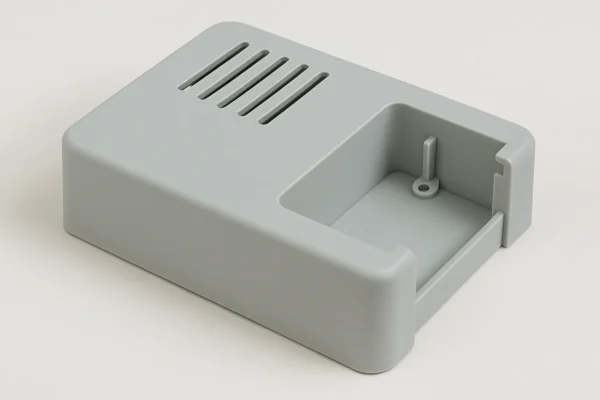
Injection Molded Housings
Enclosures with snap-fits, bosses, and gasket features for electronics, lighting, and control systems.
- Risk controls: sink marks & warpage reviewed in DFM before tooling.
- Documents: FAI / dimensional report + COC available per lot.
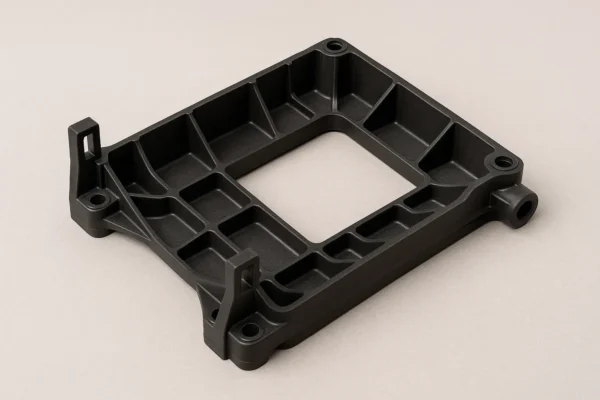
Plastic Structural Components
Reinforced parts designed for strength and rigidity in automotive, appliance, and industrial products.
- Risk controls: fiber-filled shrink/warp reviewed before mold build.
- Documents: CTQ list + FAI available for key dimensions.
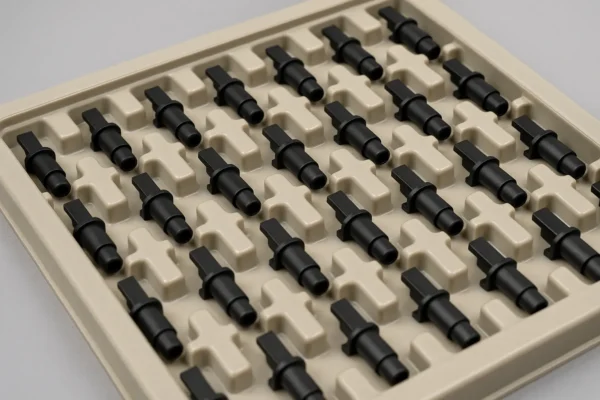
Multi-Cavity Molded Parts
High-volume parts with multi-cavity tooling for consistency, cycle-time efficiency, and repeatability.
- Risk controls: cavity-to-cavity variation monitored by cavity ID.
- Documents: lot inspection record + COC per shipment (as requested).
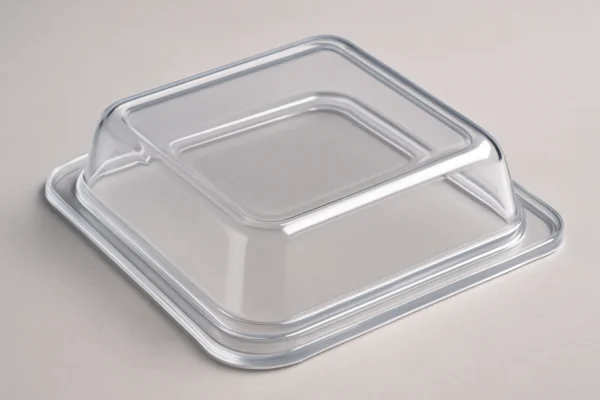
Transparent Plastic Covers
Clear components for lighting, displays, and equipment protection—aligned to your cosmetic acceptance standard.
- Risk controls: cosmetic criteria defined (lighting condition + “golden sample”).
- Documents: appearance approval record + dimensional report as needed.
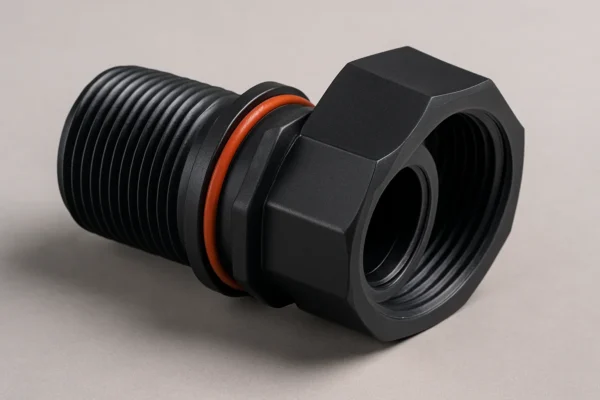
Custom Plastic Pipe Fittings
Injection molded or machined connectors for fluid/air transfer—built around sealing features and thread requirements.
- Risk controls: leak/seal checkpoints defined before mass production.
- Documents: material cert/COC + inspection record per shipment.
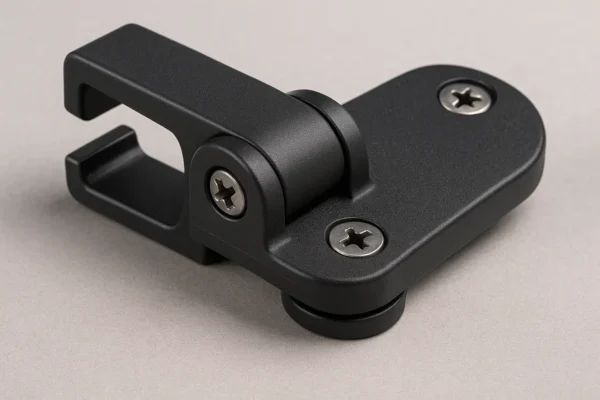
Plastic Functional Subassemblies
Subassemblies with inserts, clips, or overmolding—packed and labeled for your final line assembly.
- Risk controls: insert retention / pull-out checks defined in control plan.
- Documents: assembly check record + lot traceability (on request).
Proof Package (What You Can Verify)
For new supplier onboarding and audits, we can provide masked samples and project-specific records.
- FAI / Dimensional Report: key dimensions + measurement method notes.
- Material Certificate / COC: resin grade traceability (as provided by supplier).
- Appearance Standard: “golden sample” approval record + defined lighting condition.
- Lot Traceability Example: lot no. → resin batch → cavity ID → inspection record.
Note: Documents can be shared after NDA or during RFQ to protect customer designs and data.
Quality & Risk Controls (Buyer Checkpoints)
We reduce buyer risk by defining acceptance criteria before tooling and before mass production.
- Material handling (drying / storage) aligned to resin requirements.
- Process window control for stability (repeatability across lots).
- In-process checks for CTQs and cosmetic criteria (where defined).
- Packaging & labeling to protect surfaces and ensure traceability.
- Final resin grade + color requirement (RAL/Pantone or sample-based).
- Cosmetic standard (A/B/C) + inspection lighting condition.
- Critical dimensions (CTQs) + preferred measurement method, if any.
- Functional test needs (leak, pull-out, assembly fit, etc.).
Recent Programs (Anonymized)
Short examples showing what we did on the shop-floor and what the buyer received.
Under NDA, we can share customer-specific references, masked reports, and photos that match your part type.
Get an RFQ with DFM Feedback
Send drawing (STEP/PDF), material & color requirement, annual volume, and any CTQs. We’ll respond with manufacturability notes and a quote.
Why Prime: Lower-Risk Sourcing for Custom Plastic Parts
For B2B buyers, the real cost is not only price—it’s variation, delays, cosmetic disputes, and missing documents. Prime focuses on what you can verify: approved samples, dimensional results, material traceability, and controlled repeatability.
What You Receive (Deliverables)
You’ll know what is being shipped, how it was checked, and how it can be traced back.
- Sample approval pack: photos + notes + “golden sample” confirmation (when cosmetic is critical).
- FAI / dimensional report: key dimensions measured with method notes (masked samples available).
- Material certificate / COC: resin grade traceability as provided by the material supplier.
- Lot traceability: lot no. → resin batch → cavity ID → inspection record (available by request).
- Export packing: labeling + protective packaging aligned to your assembly/warehouse needs.
Note: Customer names/designs can be protected by NDA; masked documents can be shared during RFQ.
How We Reduce Buyer Risk
Instead of “we can do everything,” we align acceptance criteria and control points before tooling and before mass production.
- DFM feedback (wall thickness, ribs, gates, draft, shrink/warp risk).
- Define CTQs (critical-to-quality dimensions) and how they will be measured.
- Cosmetic standard set by sample + defined lighting condition (when appearance matters).
- Process window settings for repeatability across lots.
- In-process checks for CTQs and cavity-to-cavity variation (multi-cavity projects).
- Change control: ECO/ECN reviewed before implementation (as agreed in writing).
- Final resin grade + color requirement (RAL/Pantone or sample-based).
- Cosmetic acceptance criteria (A/B/C) if the surface is customer-facing.
- Functional tests (leak, pull-out, fit, torque, etc.) and pass/fail rules.
One-Stop Plastic Solution
Reduce handoffs and shorten lead-time by combining molding with secondary processing and assembly.
- Molding: single / multi-cavity, insert molding, overmolding, engineering plastics.
- Secondary ops: ultrasonic welding, machining, deburring/finishing, marking/printing.
- Assembly: hardware installation, sub-assembly, kitting, and line-ready packaging.
- Shipping support: export packaging + labeling + coordinated logistics for B2B shipments.
STEP/PDF drawing, material & color, annual volume, CTQs, cosmetic standard (if any), and target incoterm.
What Your Project Flow Looks Like
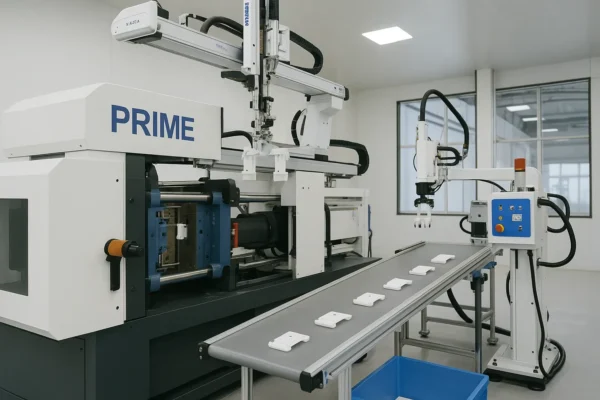
Production You Can Audit
- Since 1993: B2B project handling with traceability and document-driven delivery.
- ISO 9001:2015 system: documented process flow from incoming material to final inspection (certificate view link above).
- Engineering plastics & complex features: snaps, bosses, ribs, inserts, and multi-cavity repeatability.
- On-request audit pack: masked FAI, COC, inspection record; PPAP/PSW if agreed per project.
We avoid vague promises—acceptance criteria and checkpoints are defined before mass production.
Delivery & Packaging Built for B2B
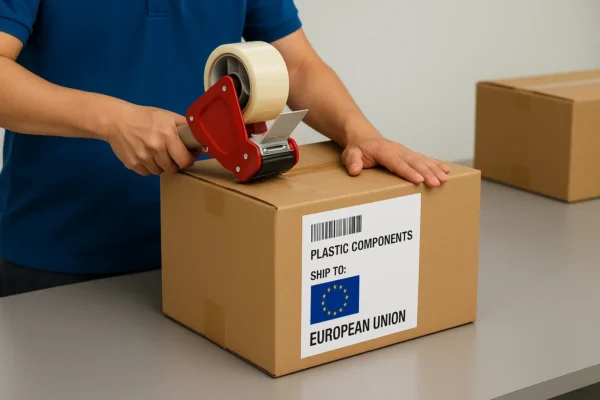
- Export markets: supports shipments to North America, Europe, Middle East, and Australia (per project needs).
- Just-in-time friendly: shipping schedule and labeling aligned to your warehouse/assembly workflow.
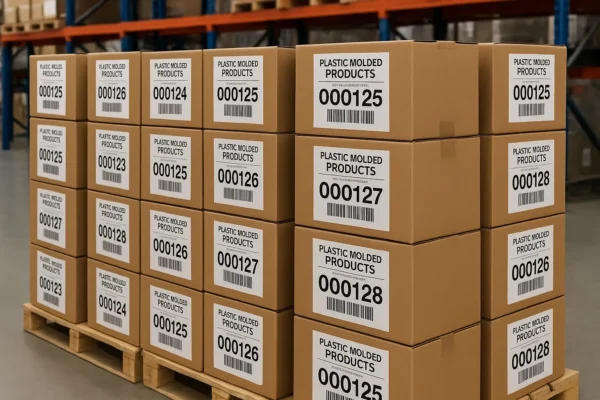
- Customized packaging: surface protection, cavity separation, and carton labeling to reduce receiving damage.
- Integrated services: ultrasonic welding, machining, pad printing, and assembly to cut supplier handoffs.
If you have a strict delivery window or cosmetic standard, share it at RFQ stage—we’ll build it into the control points.
Request a Quote with DFM Feedback
Send drawing (STEP/PDF), material & color, annual volume, CTQs, and cosmetic acceptance criteria (if any). We’ll reply with a quote and manufacturability notes—typically within 24 hours.
- STEP + 2D drawing (PDF)
- Material grade + color spec
- Annual volume / forecast
- CTQs + cosmetic standard
- Price + lead-time
- DFM notes (risk items + suggestions)
- Suggested process route (molding / machining / secondary ops)
- Document plan (FAI/COC/traceability options)
For confidentiality: NDA available. Masked sample documents can be shared during RFQ to support supplier evaluation.
Address Your Concerns: FAQ about Custom Plastic Parts
To help our clients gain a deeper understanding of our plastic parts manufacturing capabilities, we’ve compiled a list of frequently asked questions about custom plastic component services. These clear answers aim to address key concerns and help you make confident, informed decisions for your projects—minimizing risk, delay, and uncertainty.
What types of plastic materials do you support?
PRIME offers a wide selection of thermoplastics, including ABS, PP, PC, PA, POM, and high-performance engineering plastics like PEEK and PPS. We select materials based on mechanical strength, temperature resistance, and application-specific requirements.
Do you support large or complex plastic part manufacturing?
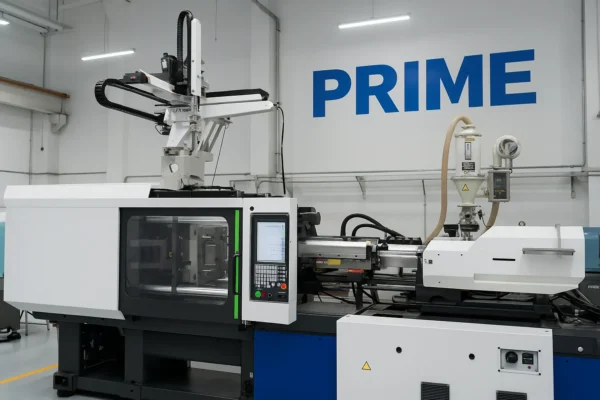
Yes. We are equipped with high-tonnage injection molding machines and multi-cavity tooling to produce both small precision components and large structural plastic parts, such as panels, housings, and enclosures for industrial applications.
Can you provide material and compliance certificates?
Yes. We provide material traceability along with certificates such as RoHS, REACH, FDA, and UL upon request. For each batch, we ensure consistent material quality from certified suppliers to meet your regulatory and technical needs.
Do you offer mold design or DFM suggestions?
Absolutely. Our team provides DFM (Design for Manufacturability) guidance to improve part moldability, minimize warpage, and optimize wall thickness. We can support from initial sketch to full 3D mold design and simulation validation.
How do you ensure dimensional accuracy and surface quality?
We perform full first-article inspections, use precision measuring tools like CMMs and calipers, and follow AQL sampling plans. Cosmetic surfaces are checked under lighting standards, and we provide inspection reports for every production lot.
Do you export custom plastic parts globally?
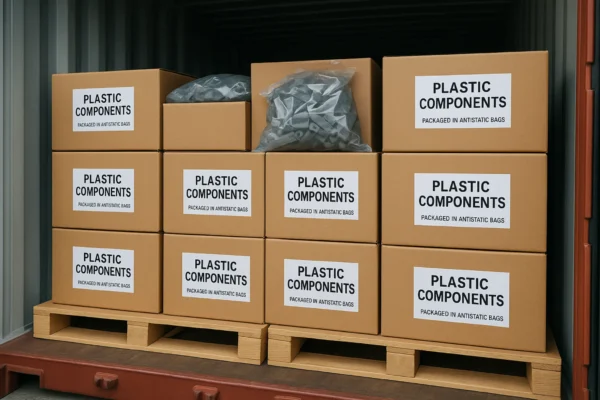
Yes, we serve global clients and offer full export support. Our packaging includes anti-static bags, cushioning foam, and moisture-proof barriers. We handle customs clearance, HS coding, and logistics coordination under EXW, FOB, or DDP terms.
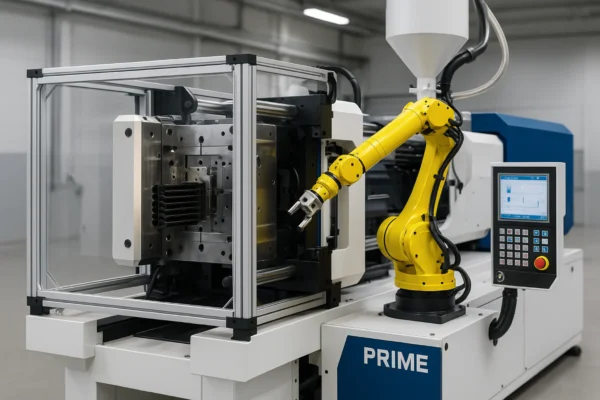
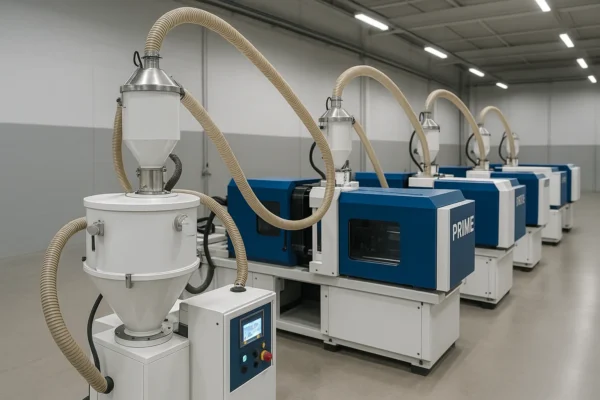
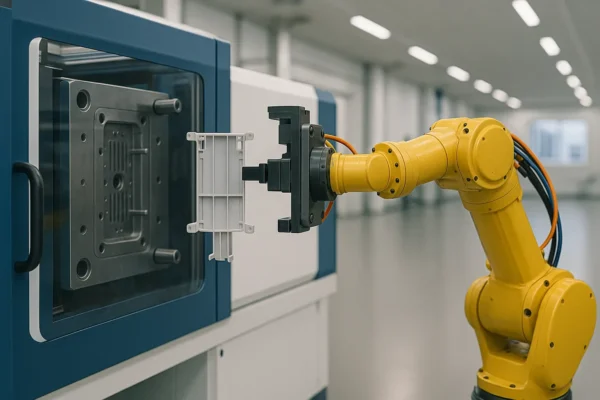
Our Factory Insight
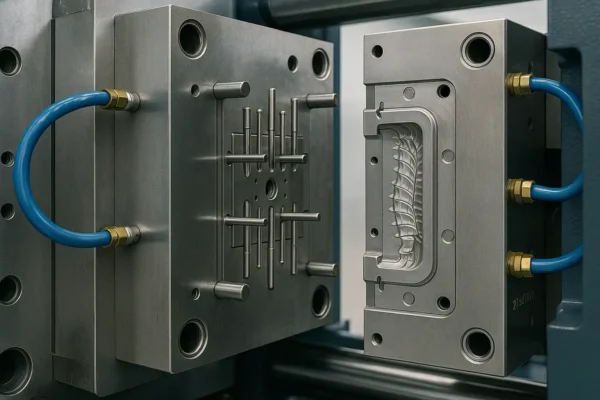
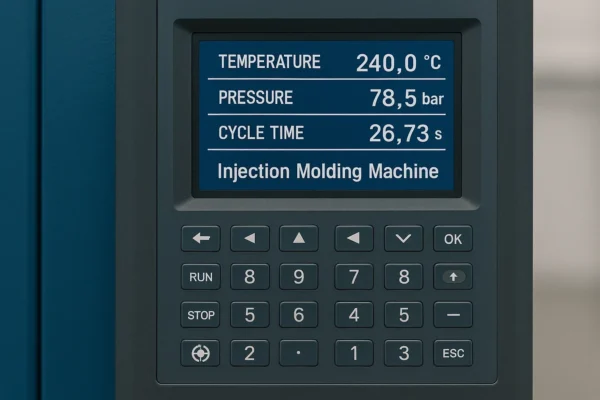
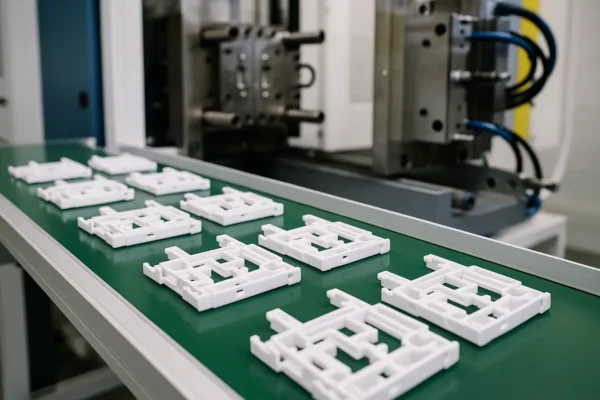
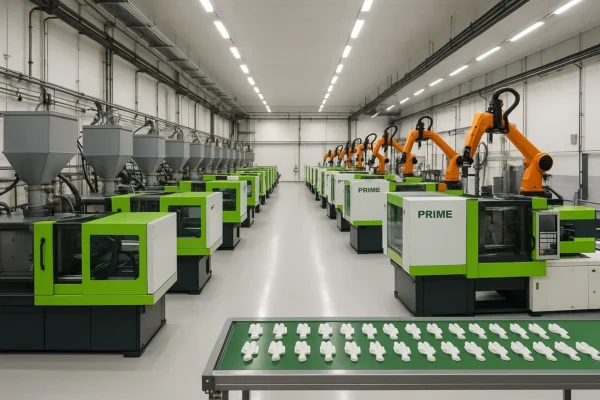


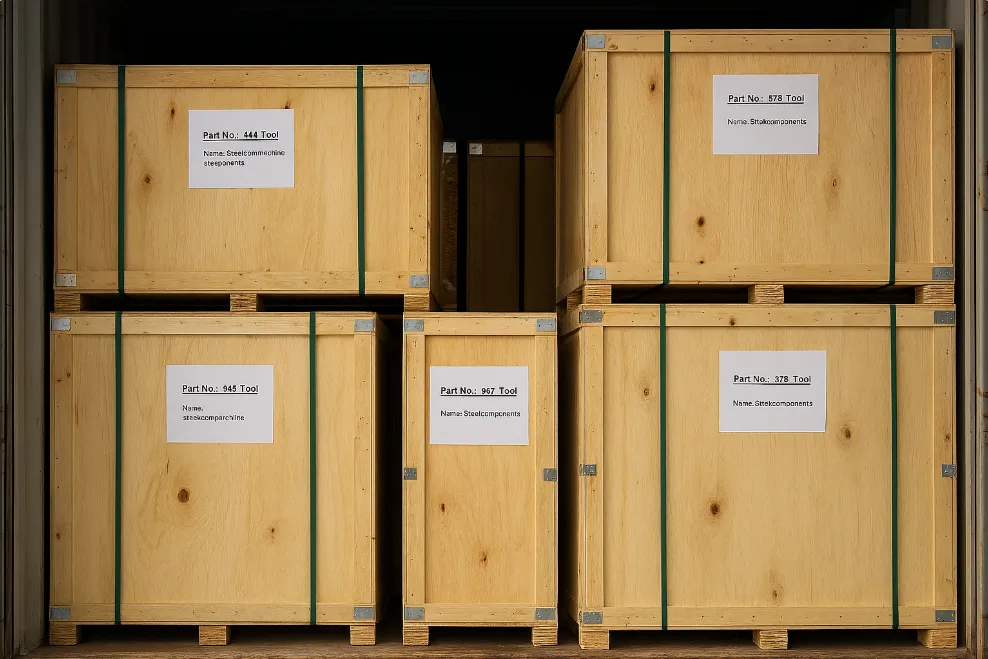
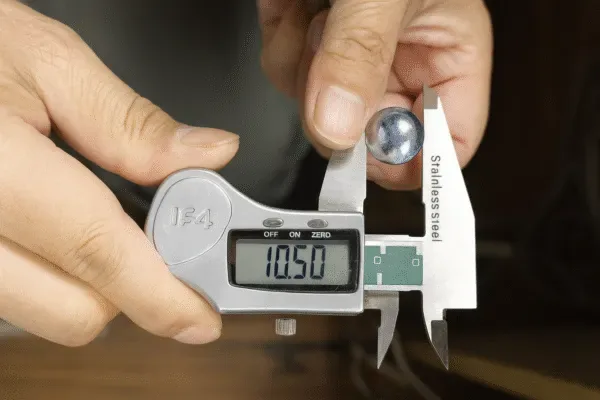

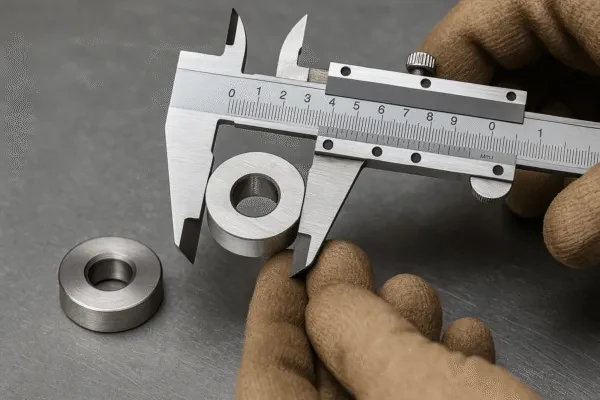
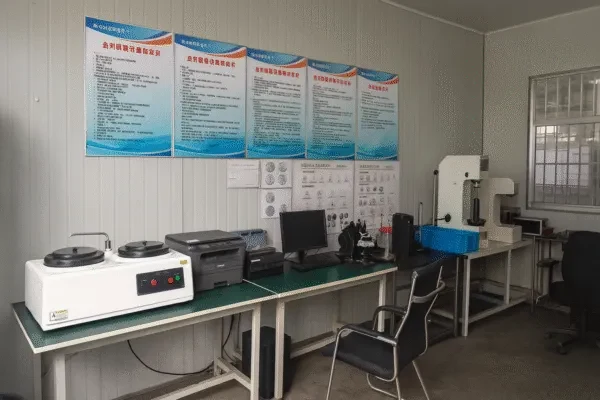
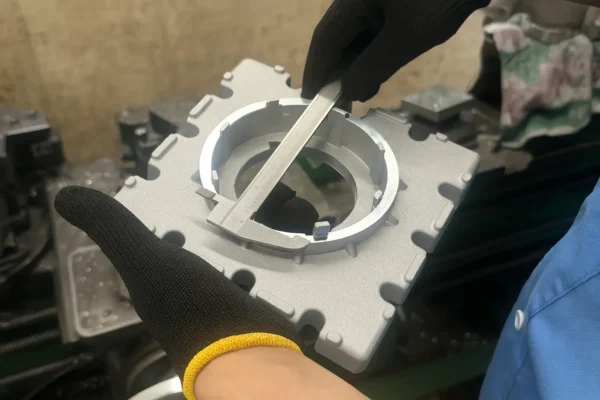

- Ⅰ: What Is a Custom Plastic Part (B2B Definition)
- Ⅱ: How Custom Plastic Parts Are Made (Process + Buyer Checkpoints)
- Ⅲ: Material Selection Guide (What to Choose + What We Verify)
- Ⅳ: Surface Finishing (Appearance Standards + Traceable Marking)
- Ⅴ: Mold Design & Fixturing (Stability Starts Before Production)
- Ⅵ: Quality Control (From Resin to Final Inspection)
- Ⅶ: Common Injection Molding Defects (How We Prevent Them + Buyer Checkpoints)
- Ⅷ: Applications by Industry (What We Deliver + What You Can Verify)
- Ⅸ: How to Choose the Right Custom Plastic Parts Supplier
- Ⅹ: DFM for Custom Plastic Parts (What We Review + What You Receive)
- Ⅺ: Custom Plastic Components (RFQ-Ready, Audit-Friendly Delivery)
- Ⅻ: Global Logistics for Custom Plastic Parts (Packaging + Documents + Traceability)
- XIII: R&D and Innovation in Custom Plastic Parts – Engineering for Precision, Performance, and Sustainability
- XIV: Value-Added Plastic Services – From Molding to Market-Ready Solutions
- XV: More About Custom Plastic Parts
Ⅰ: What Is a Custom Plastic Part (B2B Definition)
A custom plastic part is a component made to your drawing/spec (dimensions, material grade, appearance, and function) using controlled plastic processes such as injection molding, machining, or secondary assembly. For B2B sourcing, “custom” also means you can verify what was delivered: sample approval records, dimensional results, and material traceability documentation (as requested).
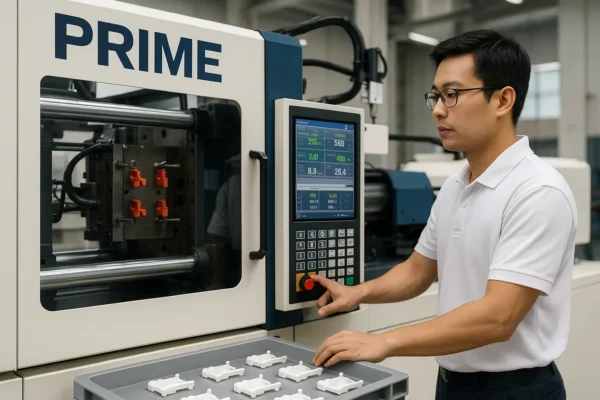
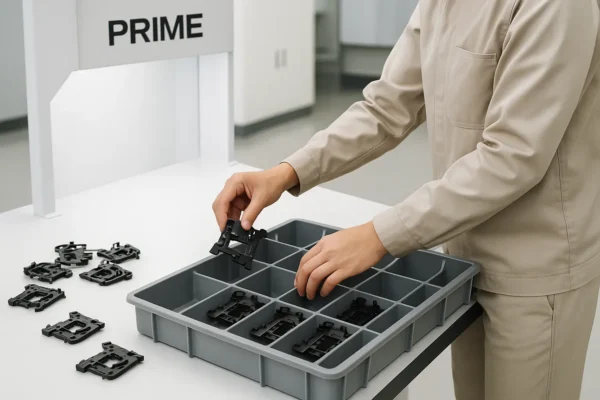
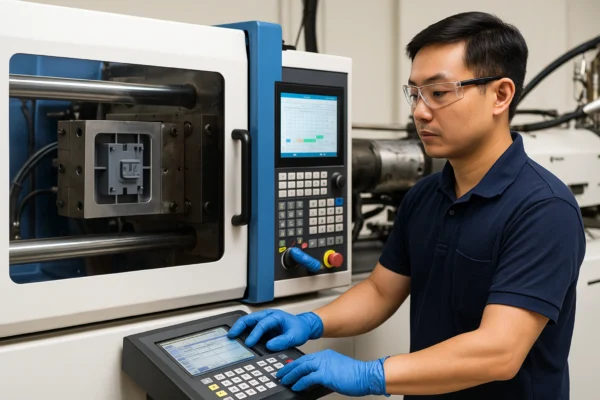
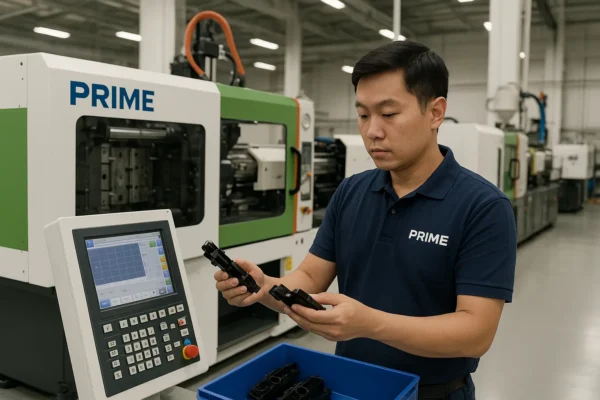
Shop-floor control example: settings verification + in-process checks. For cosmetic or CTQ parts, acceptance criteria are confirmed by approved samples and measurable results before mass production.
Plastic manufacturing is chosen for design freedom, scalable output, and part-to-part consistency when the process is controlled. In real sourcing terms, a “good plastic part” is not only the shape—it’s a repeatable result that matches your CTQs (critical dimensions), functional needs (fit/seal/strength), and appearance standard (if required), with documents that support receiving inspection.
What Buyers Usually Specify (to avoid rework)
- Material grade + color: resin name is not enough—final grade / additives / FR rating (if needed) must be confirmed.
- Cosmetic standard: define “acceptable” by sample + lighting condition for customer-facing surfaces.
- CTQs: mark critical dimensions and measurement method expectations (if any).
- Function tests: leak, pull-out, assembly fit, torque—define pass/fail rules early.
Key Characteristics (What We Control & What You Can Verify)
• Performance by Material Grade
We help match resin grade to the job (impact, heat, chemical exposure, wear, UV, etc.) and confirm the final grade during RFQ. Material certificates / COC can be provided as requested.
• Dimensional Control for CTQs
Before mass production, we align CTQs and provide measurable outputs (FAI / dimensional report) so your receiving inspection has clear checkpoints—not guesswork.
• Cosmetic Alignment (When Appearance Matters)
For visible parts, we don’t rely on vague “good appearance.” We align acceptance with approved samples (“golden sample”) and defined inspection lighting/angles to reduce disputes.
• Scalable Output with Repeatability
For higher volume programs, repeatability comes from process window control, cavity identification (multi-cavity), and in-process checks—so your line sees stable parts across lots.
Common Plastic Processing Methods (and When We Recommend Them)
Choosing the right process is usually a trade-off between volume, geometry, appearance, and tolerance requirements. Share your drawing + annual volume; we’ll recommend the most stable and cost-effective route.
Injection Molding
Best for repeatable production of complex geometry parts with stable unit cost at volume.
Typical buyer outputs: sample approval + FAI (as needed) + lot traceability options.
Plastic CNC Machining
Best for low volume, engineering plastics, and tight feature control without tooling lead-time.
Typical buyer outputs: dimensional report for key features on request.
Overmolding & Insert Molding
Best for combining materials or integrating metal inserts for strength and assembly simplification.
Typical buyer outputs: insert retention / functional test checkpoints (as specified).
Thermoforming / Blow Molding / 3D Printing
Used when the part style or volume fits (hollow parts, sheet-formed trays/covers, prototypes).
Typical buyer outputs: process route confirmation + sample approval plan.
Note: For regulated end-products (e.g., medical), material/compliance requirements must be confirmed by the buyer. We support documentation and process control as agreed in the project scope.
Industries That Commonly Source Custom Plastic Parts
• Automotive & Mobility
Housings, brackets, clips, and fluid-related components where weight reduction and repeatability matter. CTQs and functional checkpoints are aligned before mass production.
• Consumer Electronics
Cosmetic enclosures, connectors, buttons—appearance criteria and surface acceptance are confirmed by approved samples.
• Medical Devices
Non-patient-contact housings and fittings where documentation and traceability are important. Regulatory requirements are confirmed per project scope and buyer specifications.
• Home Appliances
Functional and aesthetic components with stable assembly fit and packaging that protects surface quality in transit.
• Industrial Equipment
Covers, guards, panels, and functional elements—often requiring durability and repeatable assembly performance.
Common Risks in Plastic Parts (and How We Prevent Disputes)
Risk: Color / Cosmetic Disagreement
- Define cosmetic standard (A/B/C) and inspection lighting/angle.
- Approve a “golden sample” before mass production.
- Agree on what defects are acceptable vs. rejectable for the surface.
Risk: Dimensional Variation at Assembly
- Mark CTQs and measurement method expectations during RFQ.
- Provide FAI / dimensional report for key features (as needed).
- For multi-cavity tools, use cavity identification and monitoring.
Recommended RFQ inputs: STEP/PDF drawing, material & color requirement, annual volume, CTQs, cosmetic standard (if any).
Ⅱ: How Custom Plastic Parts Are Made (Process + Buyer Checkpoints)
This section explains how we manufacture custom plastic parts and what you can verify at each stage. Instead of generic “high quality” claims, we align your acceptance criteria (material grade, CTQs, cosmetic standard, and functional tests) and provide measurable outputs such as sample approval records, dimensional results (FAI when required), and material documentation (COC / cert, as requested).
To start correctly, buyers typically provide
- Drawing: STEP + 2D PDF (critical dimensions marked if possible)
- Material grade + color: resin grade (not only resin name) + RAL/Pantone or sample
- Volume: prototype qty + annual forecast (affects process/tooling decisions)
- Acceptance criteria: CTQs, cosmetic standard (A/B/C), and any functional tests (leak / pull-out / fit)
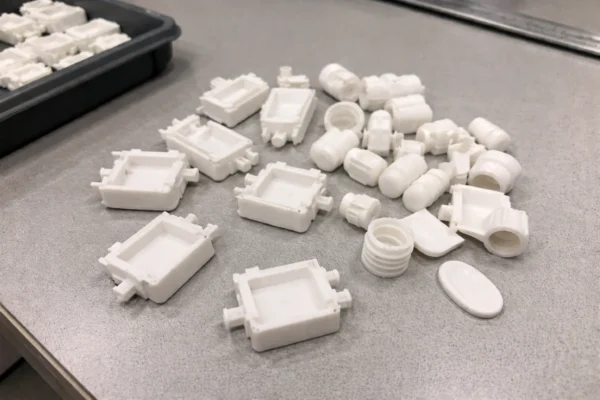
Typical buyer checkpoint: sample review + acceptance criteria confirmation before mass production.
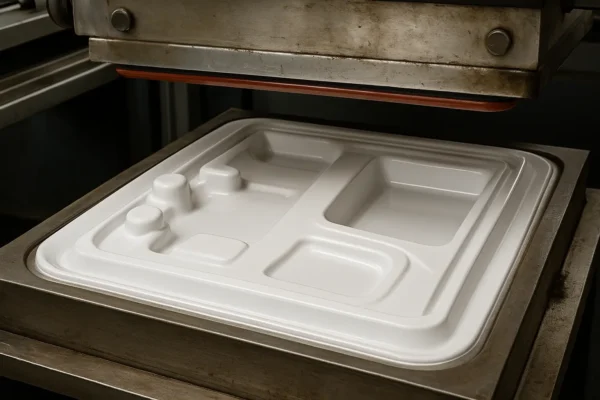
What is plastic molding? A practical explanation
Plastic molding turns polymer material into a finished part by applying heat and pressure with a tool (mold) or form. For buyers, the key is not the definition—it’s controlling variation: shrink, warpage, sink marks, flash, and cosmetic differences. That’s why we confirm material grade, define CTQs, and lock appearance acceptance (when needed) during sampling.
Common risks we align early
- Cosmetic disputes: solved by “golden sample” + defined inspection lighting/angle.
- Assembly issues: solved by CTQ list + measurement method agreement + FAI when required.
- Material confusion: solved by confirming the final resin grade and documentation plan (COC/cert).
Choosing the right process: function, volume, and risk control
Process selection is a trade-off between geometry, tolerance, appearance, and volume. We review your drawing and forecast, then recommend the process that reduces total cost of ownership—especially rework risk, cosmetic disputes, and lead-time surprises.
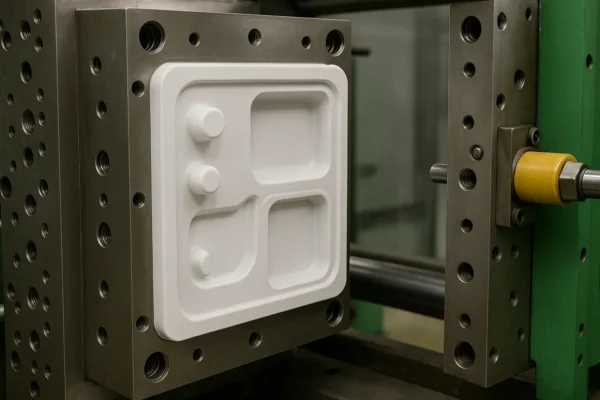
1) Injection Molding: repeatability at volume
Best for complex geometry and stable unit cost when production volume justifies tooling. Used for connectors, brackets, enclosures, and structural components.
- Medium-to-high volume programs
- Snap-fits / ribs / bosses / inserts
- Repeatability & assembly stability
- T0/T1 sample approval
- FAI / dimensional report (if required)
- Appearance standard (if cosmetic)
- COC / material cert plan (as requested)
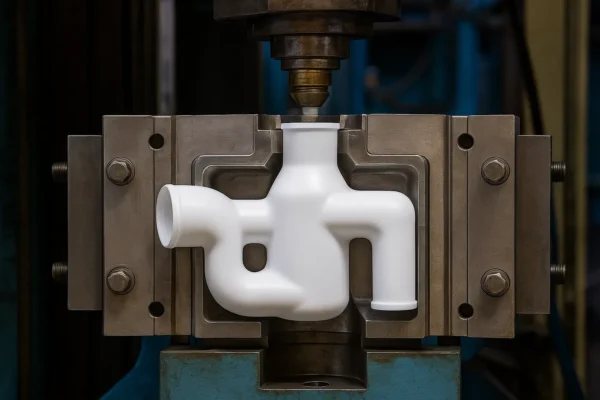
2) Blow Molding: hollow parts & fluid containers
Used for hollow parts such as bottles, tanks, and reservoirs where internal volume, wall thickness, and leak performance matter.
- Hollow containers / reservoirs
- Wall thickness consistency matters
- Cost-effective at volume
- Sealing / leak test plan (if required)
- Neck/fit dimensions confirmed by samples
- Packaging to prevent deformation
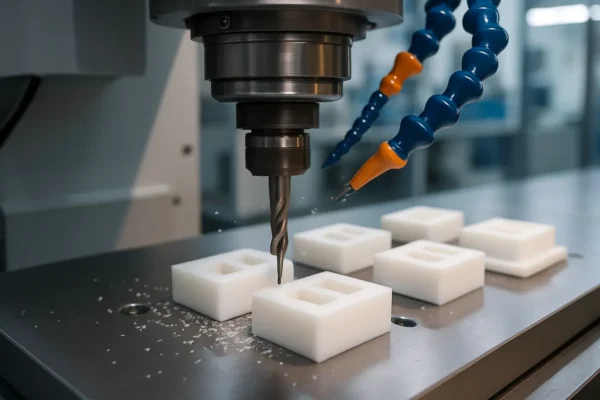
3) Plastic CNC Machining: low-volume precision
Ideal for prototypes, fixtures, or specialty parts where tooling lead-time is not desired. Common materials include PEEK, PTFE, POM (Delrin), and other engineering plastics.
- Low volume / prototyping
- Very tight features on engineering plastics
- Fast iteration before tooling
- Key dimension report (on request)
- Material grade confirmation
- Surface/edge requirements noted

4) Finishing & QC: define and verify acceptance
After molding, parts may require trimming, surface finishing, printing/marking, welding, coating, or sub-assembly. QC is built around your acceptance criteria: CTQs, cosmetic standard (if any), and functional checks (if specified).
- Ultrasonic welding
- Pad printing / marking
- Machining / reaming
- Assembly / kitting
- FAI / dimensional report
- Inspection records per lot
- COC / material cert plan
- Traceability labeling (lot/cavity)
Note: Mentioning tools like “CMM” should be backed by a photo, a sample report, or a capabilities list elsewhere on the page. If you can share a masked report, link it in the “Proof Package” section for stronger credibility.
Engineering support to reduce cost & rework
To prevent late-stage changes, we review drawings for manufacturability (DFM), highlight risk items (warpage/sink/flash/cosmetics), and propose process/tooling options based on your forecast. If requested, we can also define a document plan (FAI/COC/traceability) for onboarding and audits.
- STEP + 2D PDF
- Material grade + color
- Volume forecast
- Quote + lead-time
- DFM notes (risk + fixes)
- Process recommendation
- FAI / sample plan
- COC / cert plan
- Traceability labeling
For confidentiality: NDA available. Masked sample reports can be shared during RFQ for supplier evaluation.
Ⅲ: Material Selection Guide (What to Choose + What We Verify)
Material selection affects function, cosmetic acceptance, and long-term stability (temperature, chemicals, wear, UV). We don’t “pick a resin by name”—we confirm the grade, the application risks, and the documentation plan (COC / material certificate / compliance evidence as required) before tooling and before mass production.
If you need impact + appearance
Typically ABS / PC-ABS. Confirm surface standard (texture/gloss) and color method (Pantone/RAL or sample).
Buyer checkpoint: golden sample approval under defined lighting.
If you need strength + wear
Typically POM / PA (sometimes glass-filled). Confirm moisture/temperature environment and mating parts.
Buyer checkpoint: CTQs + functional fit test plan.
If you need chemical resistance
Typically PP (or other chemical-grade materials by request). Confirm chemical list, temperature, and duration of exposure.
Buyer checkpoint: material grade confirmation + documentation plan.
Common Plastics (Indicative Guidance — Grade Matters)
The ranges below are general guidance. Actual performance depends on resin grade, additives (FR, UV, glass fiber), and processing conditions. Final selection is confirmed during RFQ and sampling.
| Material | Strength | Typical Use Temp (℃) | Chemical Resistance | Common Use Cases | Buyer Notes (Risk / Checkpoint) |
|---|---|---|---|---|---|
| ABS | Moderate | ~ -20 to 80 | Good | Enclosures, brackets, consumer housings | Align cosmetic standard + color method before sampling |
| PC | High | ~ -40 to 125 | Fair | Protective covers, transparent parts | Confirm scratch/clarity acceptance + inspection lighting |
| PA6 (Nylon 6) | Very High | ~ -40 to 100 | Moderate | Gears, brackets, mechanical housings | Moisture can affect dimensions—define CTQs early |
| POM (Acetal / Delrin) | High | ~ -50 to 110 | Excellent | Precision parts, wear parts, automotive components | Confirm mating surfaces + wear requirement; functional test if needed |
| PP | Low to Moderate | ~ 0 to 100 | Excellent | Containers, hinges, chemical tanks | Confirm chemical list + temperature + exposure time |
For regulated applications (e.g., food contact, medical), buyers confirm the required compliance scope and documentation. We support the documentation plan as agreed per project (RoHS/REACH/FDA/other).
How PRIME Supports Material Decisions
We support material decisions with engineering review and documentation planning—so your part meets the environment it will actually face, and your receiving inspection has clear evidence to check.

1) Resin Documentation Plan (COC / Certificates)
We confirm the final resin grade and align what documents you need for onboarding and audits. Depending on the project scope, we can support material certificates / COC and compliance evidence (e.g., RoHS/REACH or other buyer-required standards).
Define compliance scope early (what regulation, what region, what proof format), then confirm it in the RFQ.
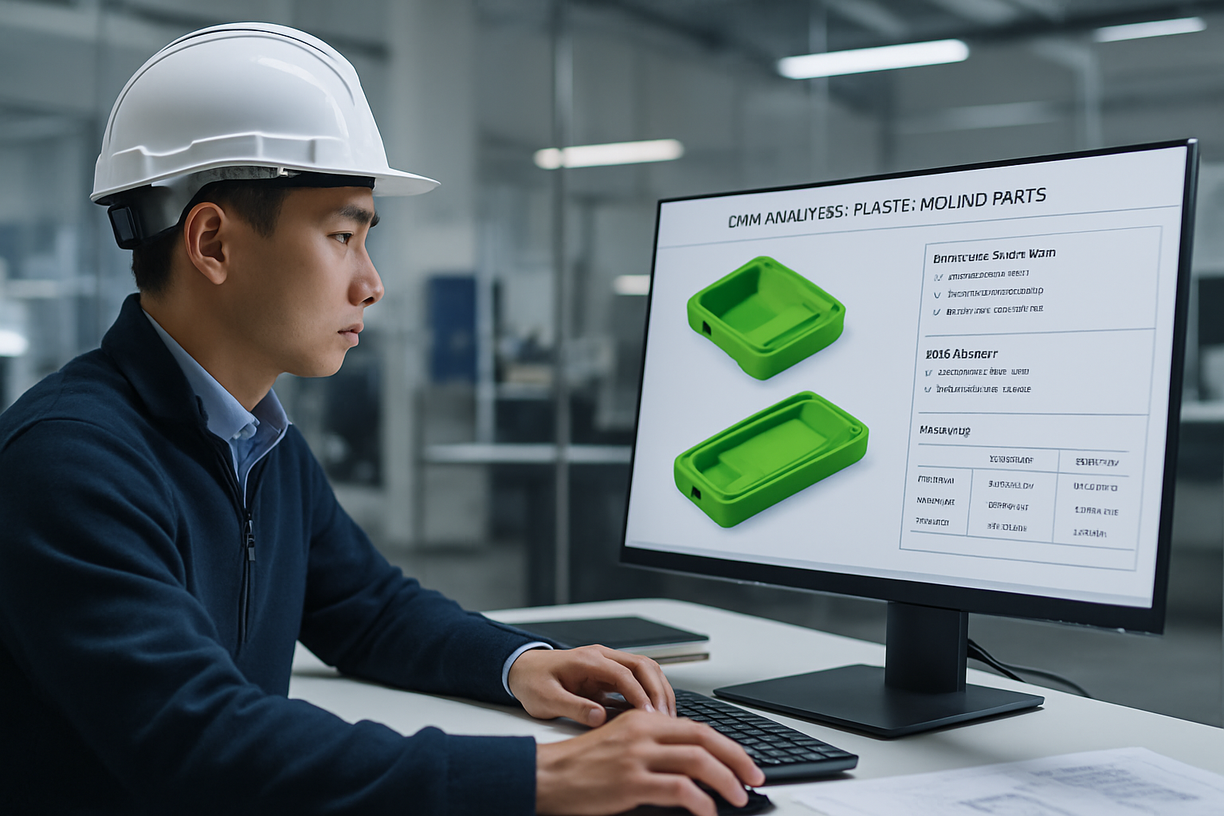
2) DFM Review (Prevent Warpage, Sink, Flash)
We review your model for wall thickness, draft, ribs, and flow risk points to improve mold filling and reduce common issues. The output is practical: risk notes + recommended design adjustments before tooling, so you avoid late changes.
If a surface is cosmetic-critical or a feature is CTQ, mark it early—this changes gating, tooling, and the inspection plan.
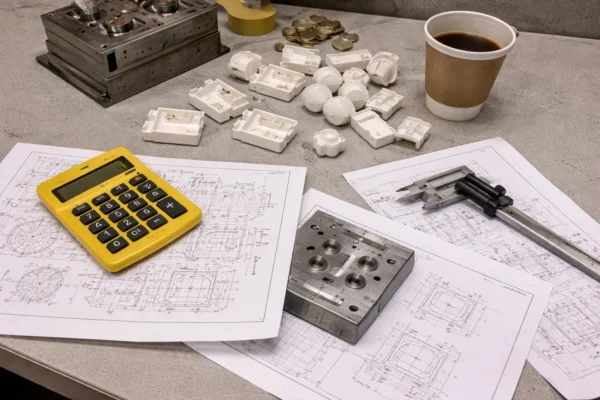
3) Total Cost Optimization (Tooling + Cycle Time + Yield)
Cost is not just resin price. We evaluate tooling complexity, cavity strategy, cycle time, and secondary operations to reduce total cost while meeting function and acceptance criteria. For high-volume programs, small changes (gate location, wall uniformity, cavity count) can significantly impact unit cost and delivery stability.
Share annual volume + delivery model (one-time vs. schedule). This affects cavity count, tooling plan, and cost structure.
Recommended inputs: STEP/PDF drawing, environment (temp/chemical/UV), cosmetic standard, and annual volume.
Ⅳ: Surface Finishing (Appearance Standards + Traceable Marking)
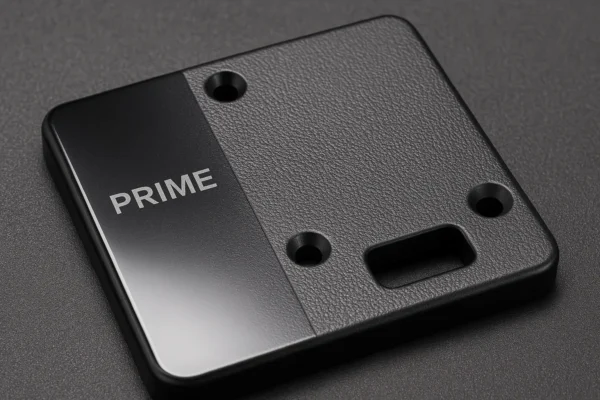
Surface finishing is where many buyer disputes start—gloss level, texture, color, and mark quality can be subjective. To reduce risk, we align your cosmetic acceptance criteria using approved samples (“golden sample”) and defined inspection conditions (light source, distance, and viewing angle) before mass production.
Buyer checkpoints for cosmetic parts
- Cosmetic grade: specify A/B/C surfaces and where defects are allowed vs. not allowed.
- Inspection condition: define lighting (e.g., D65), distance, angle, and cleaning method.
- Color method: Pantone/RAL or “sample-based” + approval record.
- Marking content: part no., revision, lot no., cavity ID (if needed) for traceability.
- Texture & Polishing: matte, fine texture, or gloss—confirmed by sample and agreed acceptance criteria.
- Painting & Coating: color coatings and functional coatings (UV / anti-static / wear) based on your use environment.
- Cleaning: post-process cleaning for parts that require low contamination during packing/assembly.
- Laser Etching & Marking: part number, revision, logos, or traceability marks without ink migration.
- Chroming & Plating (by project scope): decorative or functional plating on suitable materials (e.g., ABS/PC-ABS).
- Packaging & Labeling: surface protection + barcode/label formats aligned to your warehouse or assembly line.
Note: Finishes and coatings depend on resin grade and end-use environment. We confirm process compatibility during RFQ and sampling.
Ⅴ: Mold Design & Fixturing (Stability Starts Before Production)
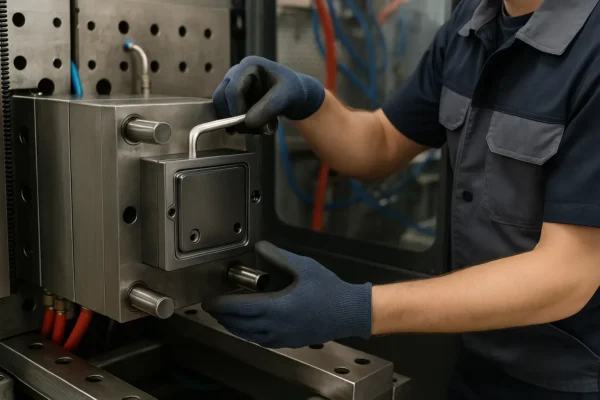
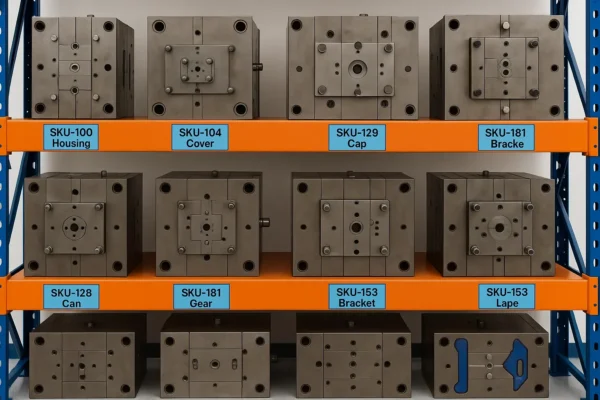
Repeatability is designed into the tool. Before mass production, we align risk points (shrink/warp, cosmetic surfaces, CTQs), then validate with sampling and measurable results—so production does not rely on “trial and error.”
Typical tooling checkpoints
- Design for Molding (DFM): draft, wall thickness, ribs, ejectors, gate location, and cosmetic risk notes.
- Tooling build: tooling strategy aligned to volume (cavity count, wear considerations) and part requirements.
- Cooling & shrink control: designed for stable dimensions and lower warpage risk (validated via sampling).
- Fixturing for secondary ops: jigs for welding/assembly/machining to protect cosmetics and keep alignment stable.
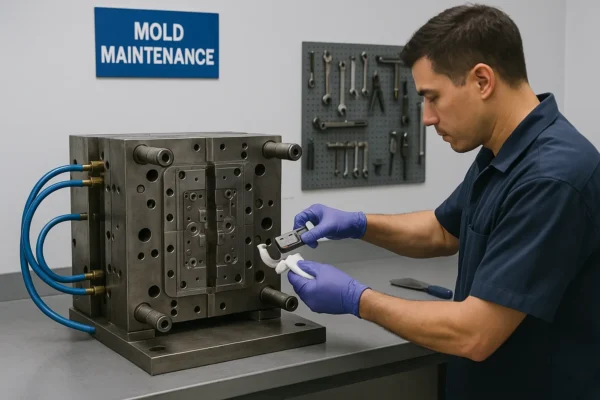
Note: Tool ownership, maintenance responsibilities, and change control (ECO/ECN) should be confirmed in writing for long-term programs.
Ⅵ: Quality Control (From Resin to Final Inspection)
Quality control is built around your acceptance criteria—CTQs, cosmetic standards (if any), and functional requirements. We document what was checked and, when requested, provide records that support receiving inspection and supplier onboarding.
- Incoming material control: confirm resin grade and labeling; documentation plan aligned (COC / certificates, as requested).
- In-process control: process window monitoring (pressure/temperature/fill/hold) for repeatability across lots.
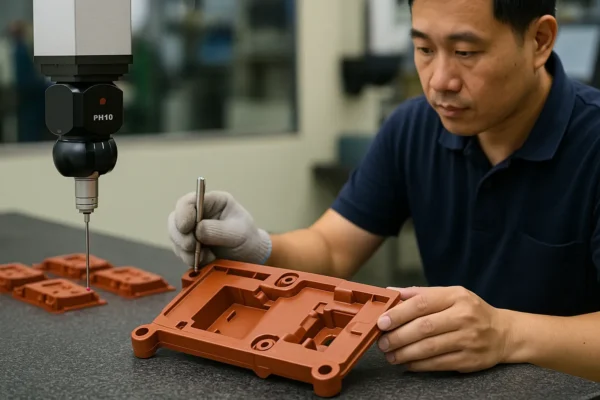
- Dimensional inspection: gauges/fixtures and measurement methods aligned to CTQs; FAI available when required.
- Functional checks: fit/seal/pull-out/leak tests performed when specified by the application.
- Traceability: lot records and identification options (lot no., cavity ID, labeling) available by project scope.
Records buyers often request
- FAI / dimensional report (masked sample available during RFQ)
- COC / material certificate plan (as agreed)
- Lot inspection records and shipment labeling format
- Appearance approval record for cosmetic parts
Confidentiality note: customer names/designs can be masked; documents can be shared under NDA during RFQ.
Ⅶ: Common Injection Molding Defects (How We Prevent Them + Buyer Checkpoints)
Injection molding defects usually come from a few root causes: part design (wall thickness / ribs / gates), material handling (drying/contamination), and process window control (temperature/pressure/packing/cooling). To reduce buyer risk, we align acceptance criteria early (CTQs + cosmetic standard if needed) and validate stability during sampling—then keep repeatability with controlled production checkpoints.
What buyers can request (to prevent repeat issues)
Note: “No defects” is not realistic without an agreed standard. For cosmetic parts, define acceptance criteria (A/B/C surfaces) and inspection conditions first.
1) Sink Marks
Symptom: depressions on thicker sections after cooling.
Typical causes: thick walls/ribs, insufficient packing, uneven cooling.
Prevention controls: DFM wall/rib review → gate/packing strategy → cooling time confirmation during sampling.
Buyer checkpoint: confirm cosmetic surfaces + approve a “golden sample” if appearance is critical.
2) Short Shots
Symptom: incomplete filling (missing features/edges).
Typical causes: poor venting, low melt temperature, restrictive gates, insufficient injection speed/pressure.
Prevention controls: venting review → gate/runner optimization → process window verification during sampling.
Buyer checkpoint: mark CTQs and fragile features; request dimensional results for those areas in sampling.
3) Flash
Symptom: thin excess plastic at parting line/ejector areas.
Typical causes: insufficient clamp force, worn tooling, excessive injection pressure, parting-line mismatch.
Prevention controls: tooling fit verification → clamp/pressure balance → maintenance checkpoints for long-run programs.
Buyer checkpoint: define trim/flash acceptance (allowed zones vs. not allowed) for functional/cosmetic surfaces.
4) Warpage / Deformation
Symptom: twisting or bowing after ejection.
Typical causes: uneven wall thickness, asymmetric cooling, fiber-filled shrink, ejection stress.
Prevention controls: DFM symmetry review → cooling strategy → controlled cooling time + fixture support if needed.
Buyer checkpoint: specify assembly datum surfaces/CTQs; define measurement method for flatness/warp.
5) Flow Lines / Streaks
Symptom: visible lines or color/texture variation on the surface.
Typical causes: inconsistent flow speed, gate location, temperature gradients, material drying/contamination.
Prevention controls: gate/runner review → melt/mold temperature stability → drying/handling controls.
Buyer checkpoint: if cosmetic is critical, define inspection lighting/angle and approve a golden sample to avoid subjective disputes.
Practical note: some “flow marks” may be acceptable depending on surface class; confirm standard early.
Want audit-friendly evidence?
We can share masked samples of typical deliverables (FAI/dimensional report, material cert/COC) during RFQ or under NDA. This helps procurement teams evaluate supplier capability beyond marketing claims.
Recommended inputs: STEP/PDF drawing, cosmetic standard (if any), CTQs, material grade, and annual volume.
Ⅷ: Applications by Industry (What We Deliver + What You Can Verify)
Custom plastic components are selected for specific environments—heat, chemicals, wear, UV exposure, and cosmetic requirements. To reduce sourcing risk, we align material grade, CTQs, cosmetic acceptance, and functional tests early, then support projects with measurable outputs such as sample approval records, dimensional results (FAI when required), and documentation plans (COC/material certificates, as requested).
Typical buyer checkpoints across industries
Note: Documentation scope (e.g., RoHS/REACH/FDA) depends on your target market and project requirements. We support what is agreed in the RFQ.
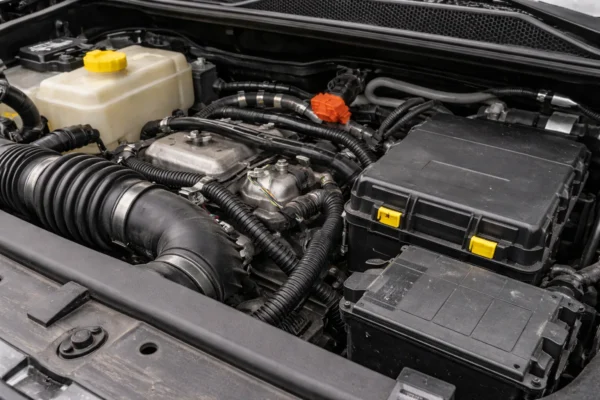
1) Automotive & Mobility
Typical needs: heat exposure, vibration, assembly fit, and repeatability across lots.
How we support: clips, housings, and under-hood components with engineering plastics and insert/overmolding options (by project scope).
- CTQs defined for fit/clip force/contact surfaces
- Material grade confirmed (e.g., PA/PBT/PC-ABS grades as specified)
- Functional check plan (fit/retention/seal) if required

2) Medical Devices & Diagnostics
Typical needs: clean appearance, stable dimensions, and controlled documentation for supplier onboarding.
How we support: housings, caps, and instrument enclosures with marking and joining options (laser marking / ultrasonic welding, as required).
- Compliance scope confirmed by buyer (region/standard/proof format)
- Cosmetic standard + inspection condition aligned if appearance-critical
- Traceability plan (lot labeling/records) if required
Note: Regulatory/compliance requirements vary by product class and region; project scope is confirmed during RFQ.

3) Consumer Electronics
Typical needs: tight assembly fit, heat management, and consistent surface appearance.
How we support: enclosures, buttons, clips, and covers with texture/gloss alignment and marking (by requirement).
- Golden sample approval + defined inspection lighting
- CTQs defined for mating features and fasteners
- Marking content (part no./rev/lot) confirmed if needed
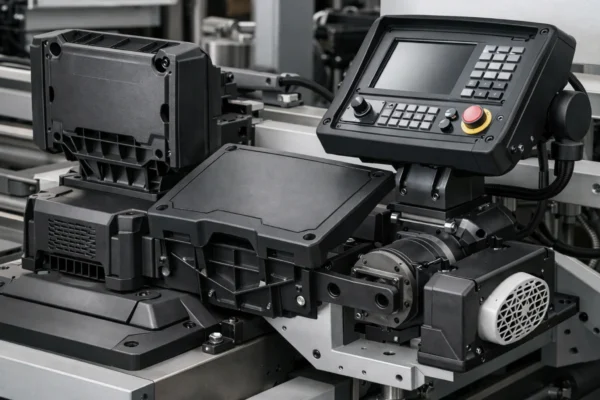
4) Industrial Machinery & Panels
Typical needs: dimensional stability under load, impact resistance, and consistent assembly fit.
How we support: panels, covers, brackets, and housings with rib/inserts design considerations (by part requirements).
- CTQs defined for mounting datum/flatness
- Warp control plan validated during sampling
- Packaging protects critical surfaces/features
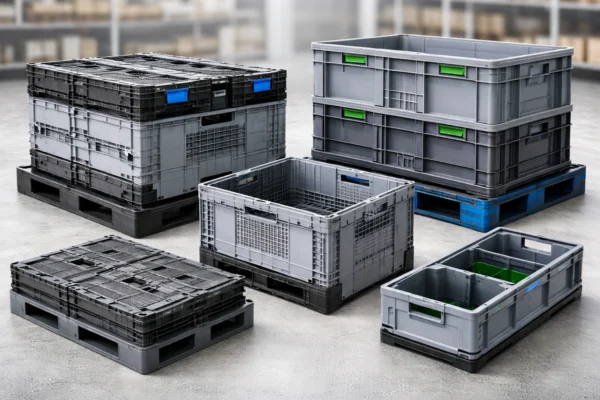
5) Logistics & Packaging
Typical needs: durability, impact resistance, repeatability, and clear labeling for warehouse handling.
How we support: crates, bins, pallets, and stackable components with labeling formats (barcode/QR) as requested.
- Material selection: recycled vs. virgin confirmed per requirement
- Drop/handling expectations aligned (where applicable)
- Labeling format and carton marks confirmed before shipment
To evaluate a supplier fast, buyers usually compare: sample approval quality, CTQ control, cosmetic alignment, and the ability to provide records (FAI/COC/traceability) when required.
Share your drawing (STEP/PDF), target market/compliance needs, cosmetic standard (if any), and annual volume—our team will return a process suggestion and an RFQ with DFM notes.
Send Drawing & Request RFQConfidentiality: NDA available. Customer designs and sample documents can be masked for evaluation.
Ⅸ: How to Choose the Right Custom Plastic Parts Supplier
Finding the right partner for your custom plastic parts is critical to ensuring quality, lead time, and cost-efficiency. Beyond material and price, evaluate their tooling expertise, quality assurance capabilities, and ability to collaborate from prototype to scale. Here's what to consider when choosing your long-term plastic manufacturing supplier.
1. Certifications & Compliance
- Do they operate under ISO 9001, IATF 16949, or FDA-compliant systems?
- Can they provide material traceability, RoHS, or REACH declarations?
- Do they work with UL-listed or food-grade certified resins as needed?
📄 Tip: Ask for recent audit results or compliance documentation.
2. Material & Processing Expertise
- Do they have experience with ABS, PC, PA6, PP, TPE, or reinforced polymers?
- Can they provide injection molding, overmolding, insert molding, or machining options?
- Do they advise on material selection for chemical, thermal, or mechanical performance?
🧪 Tip: Ask for a list of materials they regularly process and corresponding applications.
3. Quality Inspection & Tolerance Control
- Can they inspect with CMMs, vision systems, and gauge blocks?
- Do they perform PPAP, FAI, or SPC analysis for critical dimensions?
- Are their QC records traceable to each lot or tool cavity?
🔍 Tip: Review sample dimension reports and cosmetic defect criteria.
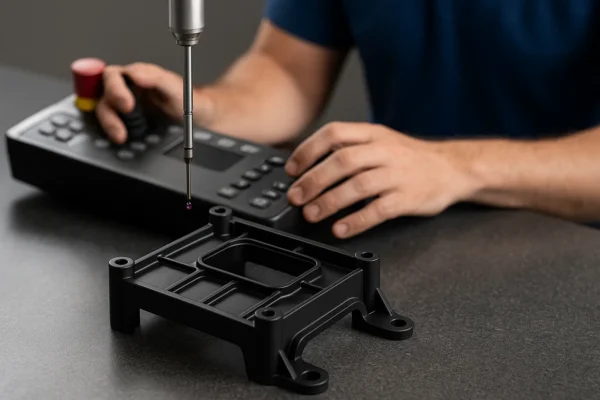
4. Production Capacity & Scalability
- Can they support prototype runs, small batches, and large-volume production?
- Do they offer multi-cavity tooling, hot runner systems, and automated handling?
- How quickly can they ramp up capacity for urgent or seasonal orders?
🏭 Tip: Visit their plant or request photos/videos of machine types and mold setups.
5. Engineering Support & DFM Review
- Do they offer DFM (Design for Manufacturability) suggestions?
- Can they assist with gate placement, wall thickness, draft angles, and rib layout?
- Do they support CAD formats like STEP, IGES, or SolidWorks?
📐 Tip: Ask if they provide mold flow simulation and 3D model reviews pre-tooling.
6. Packaging, Export & Logistics
- Do they offer custom export packaging, ESD bags, barcode labeling, and carton sealing?
- Are they experienced in sea/air freight, palletizing, and customs clearance?
- Can they support drop-shipping or third-party logistics (3PL) if needed?
📦 Tip: Review their packing photos and confirm CIF/FOB capabilities in your region.
At PRIME, we provide full-spectrum plastic manufacturing services—from mold design and material selection to production, inspection, and export. With 10+ molding lines and ISO-certified systems, we’re trusted by global clients across industries.
Ⅹ: DFM for Custom Plastic Parts (What We Review + What You Receive)
DFM is not a brochure promise—it’s a review output that reduces rework, tooling changes, and defect risk. We review your model for moldability, CTQs, cosmetic surfaces, and assembly risks, then return actionable notes you can verify in the next sampling step.
What is DFM for plastic injection molding? It is an engineering review that checks whether your geometry can be molded repeatedly without recurring defects, and whether key dimensions and appearance can be controlled at production scale.
In practice, we focus on the issues that cause tooling changes and rejects: wall thickness transitions, draft, ribs/bosses, gate/parting line risks, ejection marks, and tolerance stack-up for assembly. If a surface is cosmetic-critical, we also define how it will be inspected (lighting/angle) and approved (golden sample).
Buyer’s concern: “My design has inconsistent wall thickness, sharp corners, and no draft — I’m worried about sink marks, flow issues, and sticking in the mold. How can I fix it before tooling?”
Our practical approach (before you cut steel)
- Identify cosmetic surfaces and CTQs (so we don’t move gates/parting lines into “no-mark” zones).
- Recommend draft, wall transitions, rib/boss changes to reduce sink/warp risk.
- Confirm material grade and shrink behavior assumptions for tolerance planning.
- Define sampling checks (appearance + dimensions + function) so the first trial provides usable evidence.
1) Geometry Optimization (Reduce Sink, Warp, Flash)
- Uniform wall strategy: manage transitions to reduce sink marks and uneven cooling.
- Draft inclusion: reduce sticking/ejection stress and protect cosmetic surfaces.
- Radii & fillets: improve flow and reduce stress concentration at corners.
- Boss/rib rules: strength without overpacking; avoid sink and cracking around bosses.
Mark your cosmetic surfaces (A/B/C) and assembly datums in the drawing—this directly affects where we can place gates, parting lines, and ejectors.
2) Material Grade & Shrink Behavior
- Grade confirmation: resin “name” is not enough—final grade and additives affect shrink and appearance.
- Shrink & stability: plan tolerance based on grade behavior, moisture, and environment temperature.
- Flow risk checks: gate placement and air traps reviewed pre-tooling (simulation if required by scope).
Share environment details (temperature/chemicals/UV) and the expected lifetime—this affects grade choice, creep, and dimensional stability assumptions.
3) Gating, Ejection & Parting Line Control
- Ejector strategy: avoid marks on cosmetic faces; reduce cracking during ejection.
- Gate selection: edge/submarine/hot tip matched to finish needs and geometry.
- Parting line planning: placed where it is acceptable and stable for production.
- Venting basics: reduce burn marks and short shots by allowing air to escape.
If the part has “no-mark zones,” tell us early. Without a defined acceptance standard, cosmetic disputes happen after tooling.
4) Assembly Fit & Tolerance Stack-Up
- Snap-fit design: confirm strain, interference, and lifecycle expectations.
- Datum strategy: define measuring datums to reduce “it fits on my fixture” disputes.
- Tolerance allocation: consider material expansion, flow effects, and mold wear for long-term stability.
Provide mating part information or assembly drawings if available—DFM is most effective when the full stack-up is visible.
Our goal is to make your first tooling trial produce usable evidence: samples you can approve, CTQ measurements you can verify, and a clear path to stable mass production. DFM reduces surprises—but it works best when acceptance criteria (CTQs and cosmetic surfaces) are defined early.
From prototype-to-scale programs, we combine DFM notes + sampling checkpoints + documentation planning to lower buyer risk.
Confidentiality: NDA available. Masked sample DFM outputs can be shared during RFQ for supplier evaluation.
Ⅺ: Custom Plastic Components (RFQ-Ready, Audit-Friendly Delivery)
Custom injection-molded plastic parts are chosen for lightweight strength, repeatable geometry, and scalable cost at volume. For B2B sourcing, the real question is: can the supplier deliver stable parts with clear acceptance criteria? We align your material grade, CTQs, cosmetic standard (if needed), and functional checks, then support sampling and production with verifiable outputs such as sample approval records, dimensional results (FAI when required), and documentation plans (COC / material certificates, as requested).
What buyers typically verify
Confidentiality: NDA available. Customer names/designs can be masked for evaluation.
Why Buyers Choose PRIME (Risk Controls, Not Buzzwords)
- Material grade confirmation: we confirm the final resin grade (not just “ABS/PC/PP”) and align the documentation plan (COC/cert) as required.
- Tooling & repeatability focus: DFM review + sampling gates (T0/T1) to lock acceptance before mass production.
- Flexible volume support: prototype-to-volume programs; cavity strategy and lead-time are aligned to your forecast.
- Finish acceptance alignment: for appearance-critical parts, golden sample + defined inspection lighting/angle reduces disputes.
- Integrated operations: secondary processing (marking/printing/welding/assembly) and export packaging to reduce supplier handoffs.
Important boundary (to avoid surprises)
“High precision” depends on part geometry, resin grade, and CTQ definition. Share CTQs and mating-part requirements early; we’ll confirm what is realistic and how it will be measured during sampling.
Application Examples (Common RFQ Types)
- Automotive clips, covers, and interior/under-hood housings
- Consumer electronics enclosures and mounts
- Instrument housings, caps, and device shells (scope by requirement)
- Logistics bins, crates, and pallets
- Industrial panels with rib reinforcement and inserts
- Snap-fit parts and assembly connectors
- Overmolded and insert-molded components
- Custom packaging and ESD-safe trays (when specified)
Our Injection Molding Flow (Buyer Checkpoints)
- RFQ + DFM: risk notes (walls/draft/ribs/gates) + process suggestion
- Material & color confirmation: grade + color method locked (Pantone/RAL or sample-based)
- Tooling plan: cavity strategy aligned to volume and lead-time targets
- Trial shots (T0/T1): samples + appearance notes + CTQ measurement results (FAI if required)
- Production control: process window + in-process checks for repeatability
- Final inspection & export packing: labeling/packaging aligned to your receiving process
For cosmetic parts: inspection condition and golden sample approval are defined before mass production to reduce subjective disagreements.
Quality You Can Verify
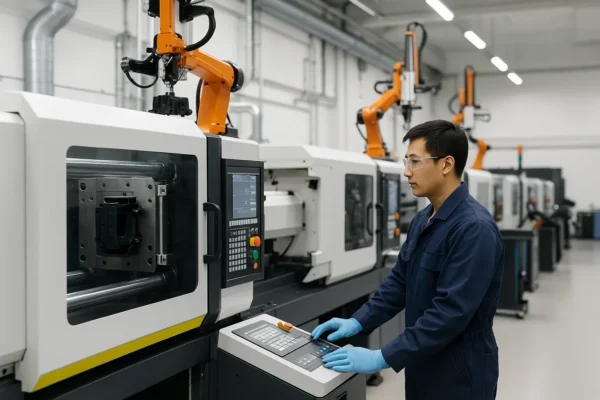
Quality is defined by acceptance criteria: CTQs, cosmetic standard (if any), and functional checks (if specified). We operate under an ISO 9001 quality system and can provide documentation as agreed in the project scope, such as FAI/dimensional reports, inspection records, COC, and material certificates.
Note: Compliance requirements vary by region and product category. Please specify target standards and proof format during RFQ.
Recommended inputs: STEP/PDF, material grade & color, CTQs, cosmetic standard (if any), annual volume, and target incoterm.
Ⅻ: Global Logistics for Custom Plastic Parts (Packaging + Documents + Traceability)
For custom plastic components, shipping risk is usually not “distance”—it’s cosmetic damage, deformation, missing labels, and document mismatch. We align packaging method, labeling format, and export documentation to your receiving process, then ship with clear tracking and shipment confirmation.
Buyer Concern
“Our plastic housings have cosmetic finishes and fragile features. Can PRIME ensure safe international delivery with clear labeling and traceability?”
Our answer (what we align before shipment)
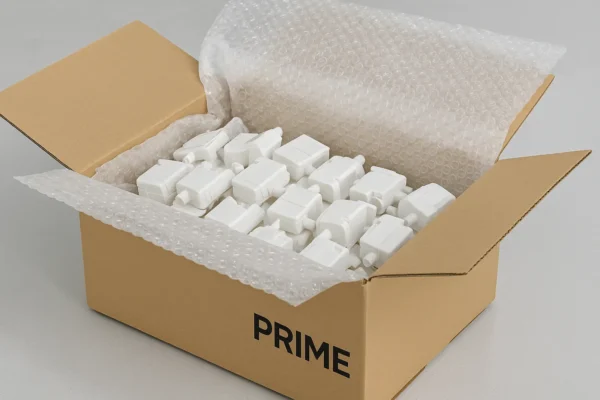
- Surface protection: prevent scratches/scuffs using separators, bags, trays, and controlled stacking.
- Deformation control: packaging supports part geometry (no load on fragile ribs/snap features).
- Labeling & receiving: carton marks/barcode/QR formats aligned to your warehouse process.
- Documents: packing list/invoice/COO + inspection or material documents when required by scope.
PRIME’s Shipping Approach (Factory → Port → Your Door)
We treat shipping as part of quality control. Packaging, labeling, and documentation are confirmed before dispatch so your receiving inspection and assembly line don’t get delayed by damage, mixed parts, or missing paperwork.
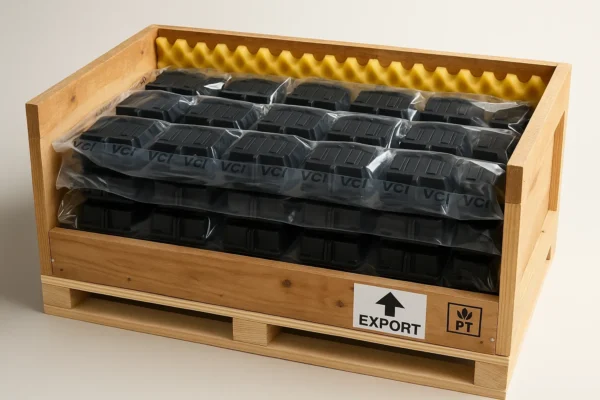
1) Packaging Built for Plastic Parts
- Trays / separators / foam: prevent cosmetic contact marks and protect fragile features.
- Poly bags (ESD/anti-static on request): for electronics-related parts and clean packing needs.
- Stacking rules: controlled layer count and orientation to avoid deformation.
- Outer packaging: reinforced cartons / crates based on part size and shipping mode.
Buyer note: If appearance is critical, share your cosmetic standard and “no-rub/no-scratch” surfaces early—packaging design depends on it.
2) Documentation & Customs Readiness
- Export documents: commercial invoice, packing list, and certificate of origin (when required).
- HS code support: HS code aligned to product description to reduce customs delays (final confirmation by buyer/broker).
- Quality / material docs (by scope): FAI/dimensional reports, COC, and material certificates as agreed in the RFQ.
- Compliance scope: RoHS/REACH or other standards supported when specified (region + proof format confirmed by buyer).
Note: “Full compliance” depends on the buyer’s target market and documentation format requirements. Please specify standards and proof format during RFQ.
3) Damage-Resistant System (Moisture / Dust / Impact)
Packaging options are selected based on part risk:
- Sealed protection (shrink wrap / bags) to reduce dust and rub marks
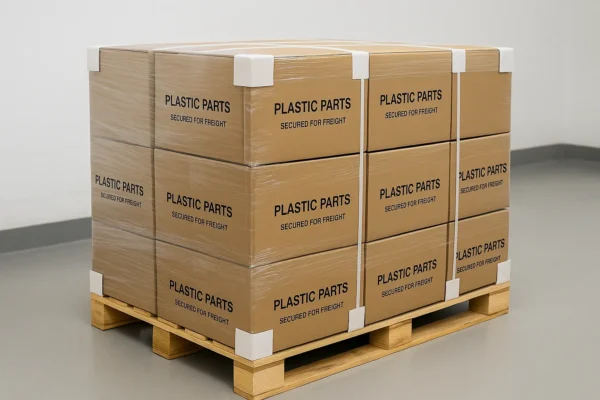
- Reinforced cartons with edge guards for stacking stress
- Moisture barrier + desiccants when storage/transit risk is high
4) Tracking & ETA Communication
So your planning team stays aligned:
- Shipment confirmation + tracking information after dispatch
- Updates on transit milestones (as provided by carrier/forwarder)
- Support for urgent orders (expedite options discussed case-by-case)
5) Inventory & JIT Programs (For Long-Term OEM Supply)
For repeat programs, we can discuss buffer stock and scheduled shipments based on your forecast and lead-time targets. Inventory programs are defined per contract (SKU, safety stock level, release frequency, and labeling/pack requirements).
Get a Packaging & Shipping Plan for Your Part
Send the drawing (STEP/PDF), surface/cosmetic requirements, quantity per shipment, destination, and preferred incoterm. We’ll propose a packaging method and the required shipping documents for your program.
Confidentiality: NDA available. Packaging specs and documents can be shared in masked form for evaluation.
XIII: R&D and Innovation in Custom Plastic Parts – Engineering for Precision, Performance, and Sustainability
In today’s fast-paced manufacturing world, custom plastic components are not just molded — they’re engineered for durability, weight savings, and functional integration. At PRIME, our plastic part R&D initiatives help clients go beyond standard injection molding, unlocking innovation in material selection, tooling, and product lifecycle performance.
Buyer Concern: Can my supplier innovate on material specs, improve tooling cycles, and meet high-precision requirements for my industry?

1. Advanced Mold and Tooling Development
We develop rapid tooling, multi-cavity molds, and optimized gating systems to shorten cycle times and extend tool life. R&D explores hybrid mold inserts, conformal cooling, and precision tolerances for complex geometries.
2. High-Performance Polymer Formulations
- Engineering Plastics: PEEK, PPS, Nylon, and ABS for heat, chemical, or load-bearing demands.
- Composite Blends: Glass-filled or fiber-reinforced resins for enhanced strength-to-weight ratio.
- ESD & Flame-Retardant Options: For electronics, automotive, and safety-critical applications.
3. Digital Prototyping & Simulation
We use mold flow analysis, 3D simulation, and tolerance stack-up analysis to validate designs before production begins. Our capabilities include:
- Warp and shrinkage prediction
- Cooling channel and ejection optimization
- DFM/DFA feedback with digital twin modeling
4. Industry-Centric Innovation
From automotive trims to enclosures and precision connectors, we adapt design, resin type, surface finish, and insert-molding options to meet the needs of:
- Electronics and consumer devices
- Medical-grade plastic components
- Industrial automation systems
Why PRIME for Plastic Part Innovation?
PRIME’s R&D for plastic parts helps clients stay ahead — with faster prototyping, longer-lasting tooling, and polymer solutions tailored to your specific challenge. Whether it’s low-volume validation or high-run production, we bring design insight and execution excellence to every project.
Discuss Your Plastic Part DesignXIV: Value-Added Plastic Services – From Molding to Market-Ready Solutions
When it comes to custom plastic components, true value is built into the finishing touches. At PRIME, we offer a complete suite of post-molding operations—from precision finishing and subassembly to functional labeling and export-ready packaging. So your plastic parts arrive ready for final use.
Buyer Concern
“Beyond molding, I need clean edges, proper packaging, barcode labels, and quality reports. Can my supplier manage the full workflow reliably and consistently?”
PRIME’s Integrated Plastic Processing & Finishing System
From material selection to final packaging, PRIME delivers complete control across every stage of production. We minimize supplier transfers, improve consistency, and streamline delivery to your assembly line or distribution center.
1. Precision Molding & Quality Assurance
- Multi-Cavity & Insert Molding: Efficiency and part integration.
- Dimensional Inspection: CMM or vision systems for tight tolerances.
- SPC & Certificate Reports: Full lot documentation upon request.
2. Surface Finishing & Aesthetic Quality
- Deburring & Polishing: For smooth touchpoints and clean visuals.
- Texturing & UV Printing: Custom brand or pattern finishes.
- Anti-Static or Coating Prep: Optional for high-touch applications.
3. Post-Mold Assembly & Integration
- Ultrasonic Welding: For airtight or watertight plastic joins.
- Hardware Insertion: Threaded metal parts or magnets.
- Multi-Part Assembly: Final integration of complex housings or kits.
4. Protective Packaging & Labeling
- Cleanroom or Anti-Static Bags: For sensitive applications.
- Barcode / QR Labeling: Lot tracking and OEM part integration.
- Eco-Friendly Packaging: Compostable or recyclable on request.
5. Cleaning & Cosmetic Enhancement
- Dust-Free Wipe-Down: Post-mold cleaning for clarity or gloss.
- Ultrasonic Cleaning: For medical or electronic components.
- Logo Printing / Engraving: On-part customization available.
6. Export-Ready Palletizing & Compliance
- Carton & Pallet Packaging: Optimized for sea & air freight.
- Custom Labeling Systems: For OEM and warehouse systems.
- ISPM 15 Certified Wooden Crates: Global compliance guaranteed.
Your One-Stop Plastic Solution Provider
From molded form to functional packaging, PRIME ensures your plastic parts are finished, assembled, and export-ready. Our integrated workflow saves time, improves quality, and simplifies your global supply chain.
Experience total project support—from prototype to delivery—with PRIME as your full-service plastic manufacturing partner.
Common Plastic Materials
| ABS | PP |
| PC | PA6 / PA66 |
| PE / HDPE | POM |
| TPU / TPE | PS / HIPS |
Post-Processing Options
| Silk Screening | Pad Printing |
| Ultrasonic Welding | Deburring / Trimming |
| Laser Etching | Assembly & Packing |
| UV Painting / Chrome Plating | Anti-static Coating |
XV: More About Custom Plastic Parts
Explore our plastic molding capabilities, post-processing services, and value-added support that ensures your components are function-ready, visually appealing, and manufactured to spec.
Plastic Production Capabilities
- Injection Molding (Single & Multi-cavity)
- Thermoforming / Vacuum Forming
- Blow Molding for Hollow Parts
- CNC Machining for Prototypes
- Overmolding & Insert Molding
- From Small Batches to Mass Production
In Summary
Choosing the right custom plastic parts supplier isn’t just about price—it’s about precision, performance, and production speed. This guide has highlighted PRIME’s complete plastic manufacturing capabilities—from material selection and mold design to high-volume production and global delivery. A trusted partner like PRIME empowers your supply chain with consistent quality and engineering support.
Key Insights for Plastic Parts Buyers
- Material Matters: From ABS and PC to high-performance resins, the right polymer impacts function, strength, and compliance.
- Design for Moldability: PRIME supports DFM analysis to reduce defects, shorten cycle times, and optimize part geometry.
- Tooling Efficiency: Rapid mold development and precision tooling ensure consistent, repeatable quality.
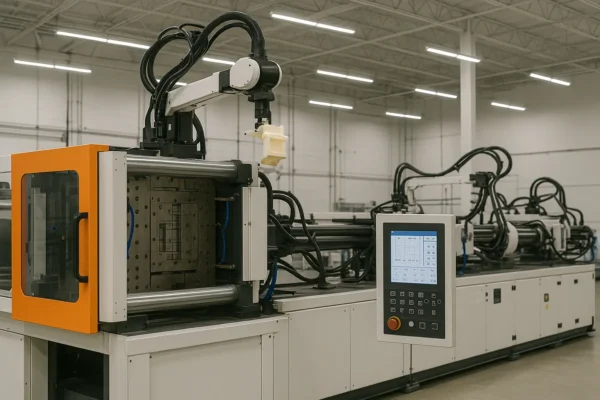
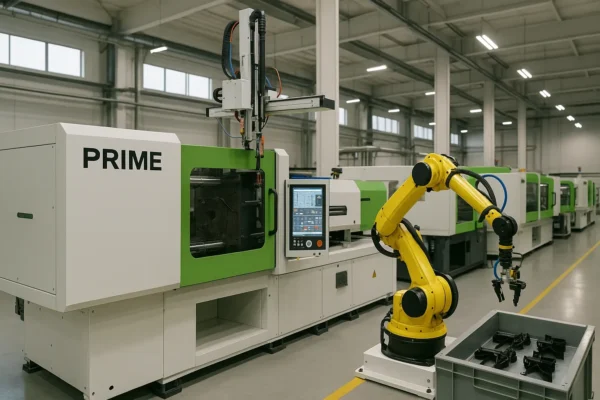
- Scalable Capacity: From pilot runs to millions of units, our automated injection lines deliver flexible volumes.
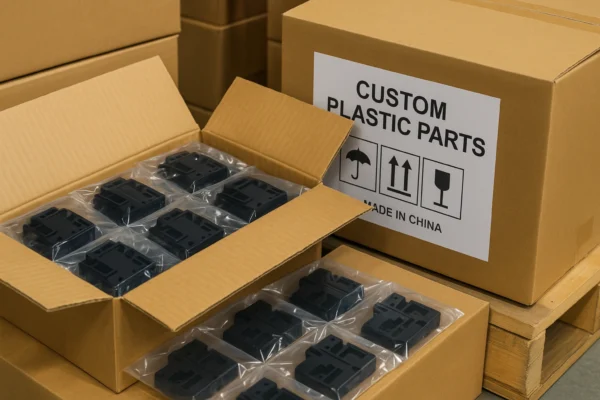
- Export Packaging: Parts are bagged, boxed, and palletized using anti-static films and moisture barriers for global transit.
Why PRIME is Your Plastics Partner
With decades of experience and ISO-certified systems, PRIME delivers precision plastic parts that meet the demands of diverse industries—electronics, automotive, medical, and beyond. Our tooling experts, mold designers, and production engineers ensure seamless part flow from design to delivery.
We don’t just mold plastic—we optimize for function, reduce waste, and enhance product lifecycle through innovative engineering and automation.
Global Reach, Tailored Plastics
PRIME supplies OEMs and Tier 1 suppliers worldwide with plastic parts manufactured to RoHS, REACH, and FDA standards. Our export-ready logistics include labeled cartons, anti-static packaging, and secure pallets for air or sea freight.
From Asia to North America, PRIME ensures your custom plastic parts arrive intact, compliant, and ready for assembly.
Get a Fast Plastic Parts Quote
From housings and brackets to precision medical components—PRIME delivers custom plastic parts that meet exacting standards. Submit your CAD drawing or sample and receive a quote with DFM analysis within 24 hours.
Join global clients who rely on PRIME for fast, scalable, and certified plastic solutions.
Get a Plastics QuoteJust a Few of the Partners Who Trust Our Quality





*Logos are property of their respective owners.
What Our Customers Say
Real feedback from global buyers who trust us to deliver high-quality, customized industrial components.

Harry M., New York
Purchasing Manager – Metal Components
We’ve sourced CNC machined parts from Prime for over two years. The precision is consistently excellent, tolerances are spot on, and their team is responsive and professional. Fast lead times and secure packaging make them a reliable long-term partner.

Robert J., California
Strategic Sourcing Specialist – Industrial Hardware
The forged components we received from Prime were top quality — strong material integrity, accurate dimensions, and zero defects. Their team understood our specs clearly and delivered right on schedule. Great supplier for high-stress applications.

Emily T., Texas
Supply Chain Buyer – Custom Metal Parts
We ordered a batch of custom metal welded assemblies from Prime, and the quality was outstanding. The welds were clean, uniform, and met all our strength requirements. Communication was smooth, and delivery was faster than expected.

Hannah K., Ontario
Senior Buyer – Automotive
Prime supplies us with custom metal casting parts that meet strict automotive standards. Their ISO-certified quality, fast prototyping, and on-time delivery make them a trusted partner in our supply chain.

Luis R., Barcelona
Procurement Lead – Electronics
Prime has been a reliable partner for our custom plastic parts in consumer electronics. The injection-molded components are precise, durable, and always delivered on time, helping us stay competitive in the market.

Nadia P., Dubai
Category Manager – Industrial Projects
Prime delivers high-quality custom metal forgings for our industrial machinery. The parts are strong, reliable, and meet our exact specifications. With consistent quality and on-time delivery, Prime has become a trusted partner in our long-term projects.

Jon S., Munich
Operations Buyer – Machinery
Prime’s custom metal fasteners have proven to be durable and precise, perfectly fitting our heavy-duty machinery. Their consistent quality and reliable delivery help us maintain smooth production with fewer interruptions. Prime is a supplier we can count on for critical components.
Get Your Custom Solution & Quote
REPLY WITHIN 24 HOURS
Start a Conversation with Our Experts
When you contact us, you get more than just a price. You get a dedicated partner.
- ✔ 30+ Years of Manufacturing Excellence, Direct from Our Factory
- ✔ Custom-Engineered Solutions for Your Needs
- ✔ Global Shipping & Logistics Support
- ✔ A Transparent, No-Obligation Quote
- ✔ 100% Confidentiality Guaranteed
Your email information will be kept strictly confidential and our business staff will ensure that your private information is absolutely safe!