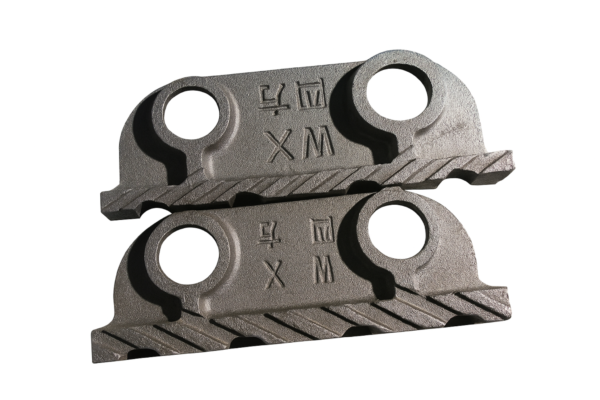
Straight Grate Bar
Used in chain grate and reciprocating furnaces where stable geometry and consistent airflow are required.
- Typical risks: bending/warping, oxidation, edge wear
- CTQs: mounting hole position, airflow slot geometry, flatness
Shandong Prime (est. 1993) · B2B wholesale only · Build-to-spec grate bars
Heat-resistant alloys for boilers · Designed for high-wear & high-temperature operation
We help control CTQs such as wear rate, thermal deformation, dimensional fit, and service life—based on your furnace type and operating conditions.
Note: alloy selection and expected service life depend on operating temperature, fuel/ash characteristics, and load conditions. We confirm after spec review.
Grate bar performance depends on operating temperature, fuel/ash characteristics, and mechanical load. We recommend alloy and structure after spec review to reduce risk of warping, cracking, oxidation, and severe wear.
Used in chain grate and reciprocating furnaces where stable geometry and consistent airflow are required.
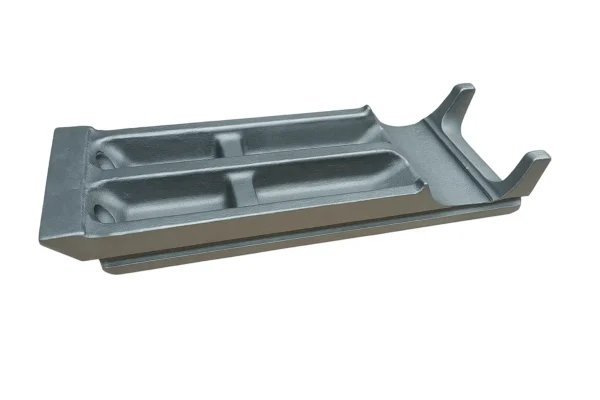
Designed for staged combustion and controlled air distribution in biomass and waste-to-energy systems.
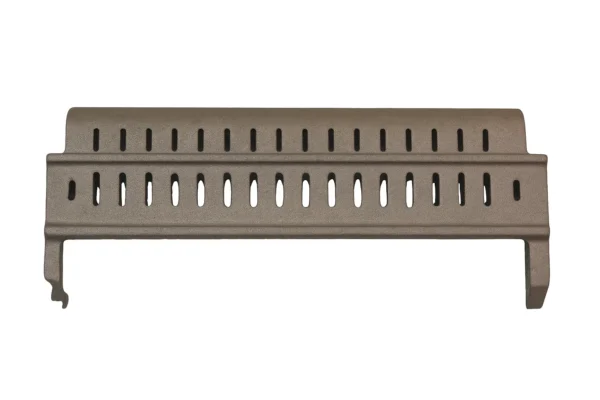
Interlocking design for smooth motion under high load—used where stable feeding and continuous combustion are required.
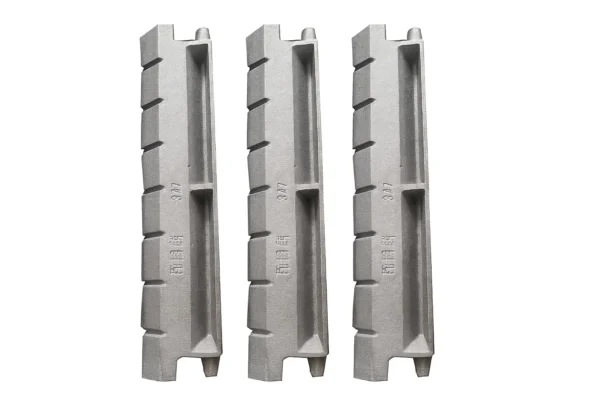
A continuous moving surface for coal/biomass combustion—material and structure selected by temperature and ash wear conditions.
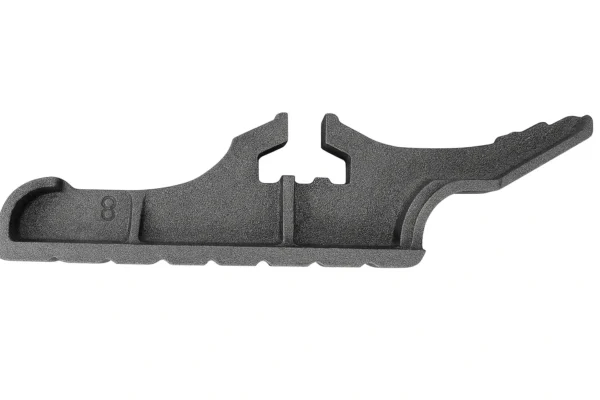
Designed around airflow and stable combustion—geometry and alloy confirmed by your furnace zone conditions.
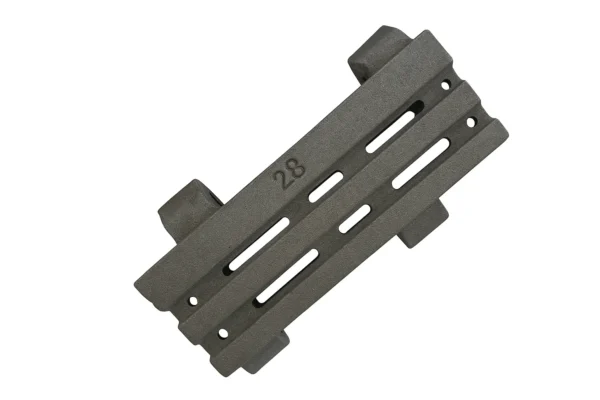
Build-to-drawing grate bars with alloy selection guidance for your fuel type and operating temperature.
Note: alloy selection and expected service life depend on operating conditions; final recommendations are confirmed after drawing/spec review.
Grate bars fail mainly from thermal fatigue cracking, oxidation scaling, abrasive ash wear, and warping. We use coated sand (resin sand) casting for stable mold quality and consistent surfaces—then confirm alloy selection and CTQs after drawing/spec review.
Experience note: if you share typical failure photos (cracks/warping/wear pattern), we can propose material and structure changes to extend service life. [optional section: add 1–2 masked case photos]
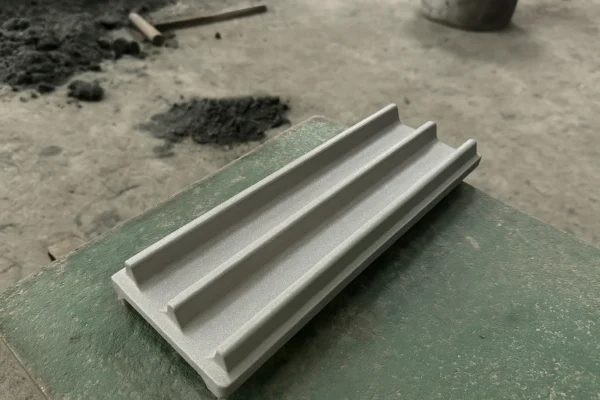
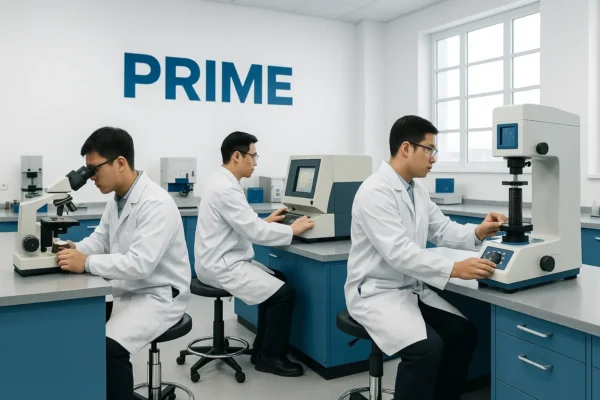
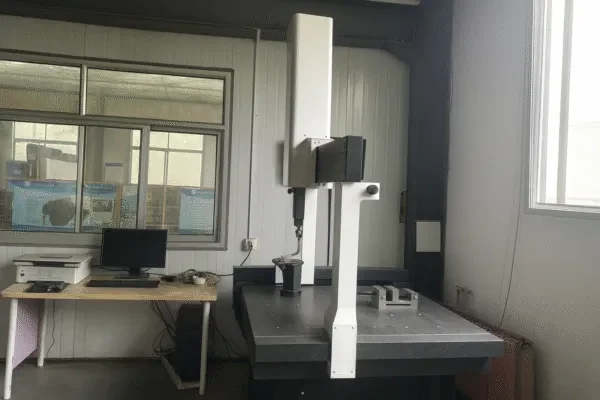
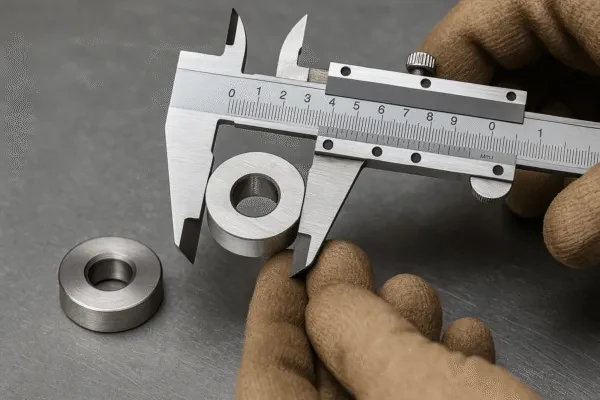
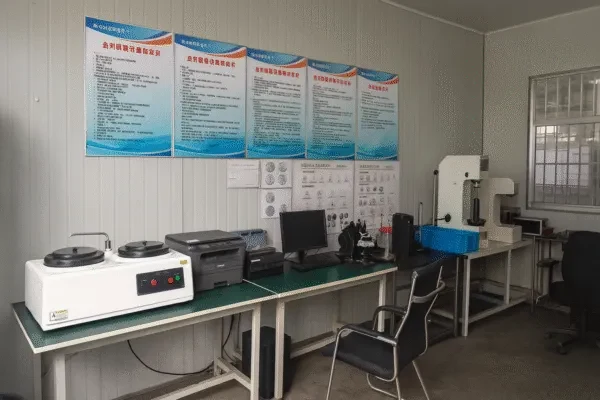
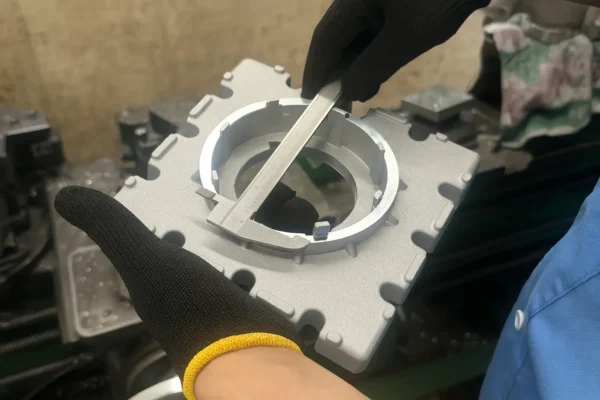
Buyer evidence available: chemical composition / hardness / dimensional inspection (masked samples).
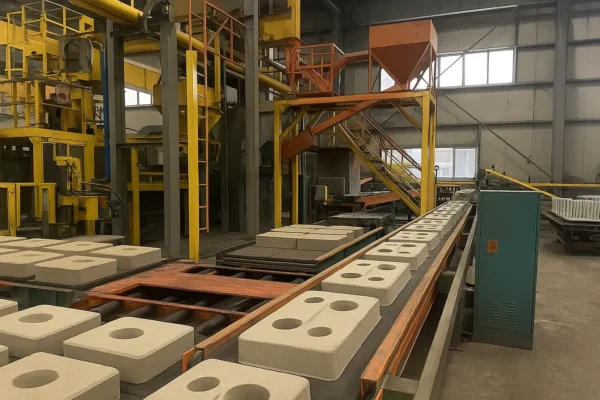
Note on “service life”: life depends on temperature profile, fuel chemistry, ash abrasiveness, and mechanical load. We confirm alloy and inspection scope after spec review to reduce failure risk before mass production.
Upload drawings and operating conditions (temperature range, fuel type, ash characteristics, grate type). With complete RFQ info, we typically respond within 24 hours.
For critical projects, we align evidence requirements (chemistry/hardness/dimensional reports) before production.
Note: final alloy, process route, and inspection scope are confirmed after drawing/spec review.
To provide our clients with a clearer understanding of our grate bar products and services, we've compiled a list of frequently asked questions. This section addresses key technical details regarding materials, production processes, customization options, and quality control measures, ensuring you have full confidence when partnering with PRIME for your industrial grate bar needs.
A grate bar is a high-temperature resistant cast component used in industrial applications such as boilers, biomass furnaces, waste incinerators, and cement kilns. These bars support fuel combustion by ensuring efficient air distribution and heat transfer, even under extreme heat and wear conditions.
At PRIME, we primarily utilize the resin-coated sand casting process (also known as coated sand molding). This method ensures smooth surface finishes, precise dimensions, and superior strength, while minimizing defects. It also allows for complex geometries in grate bar designs that provide excellent heat and wear resistance.
Our grate bars are primarily made from high-chromium cast iron, heat-resistant steel alloys (HK, HH, 1.4848, 1.4828), and nickel-chromium alloys. The material choice is tailored to the furnace type, temperature range, and fuel characteristics of the application.
Yes, PRIME offers full OEM and custom casting services based on your 2D/3D drawings or physical samples. We provide engineering assistance, pattern development, and casting simulation to ensure precise dimensional accuracy and reliable performance.
All of our grate bars undergo rigorous quality control, including spectrochemical analysis, dimensional measurements, non-destructive testing (NDT), and hardness inspections. We also conduct thermal cycling and wear tests to ensure durability even under continuous high-temperature operation.
Yes, PRIME provides professional after-sales technical guidance, including installation advice, grate layout optimization, and replacement recommendations to maximize service life and combustion efficiency.
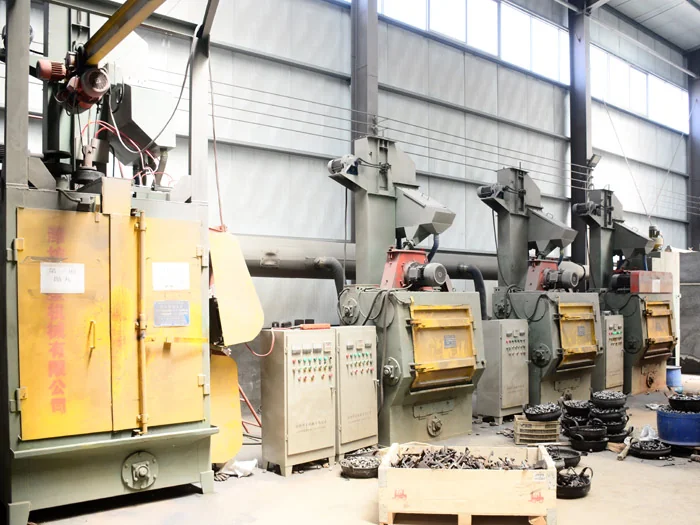
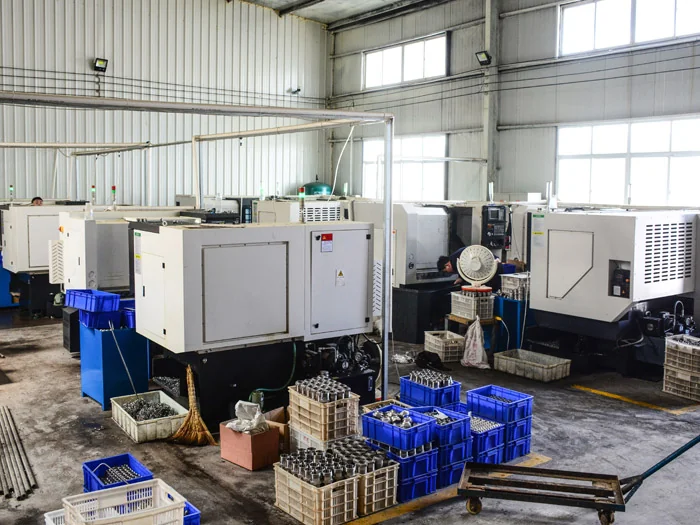
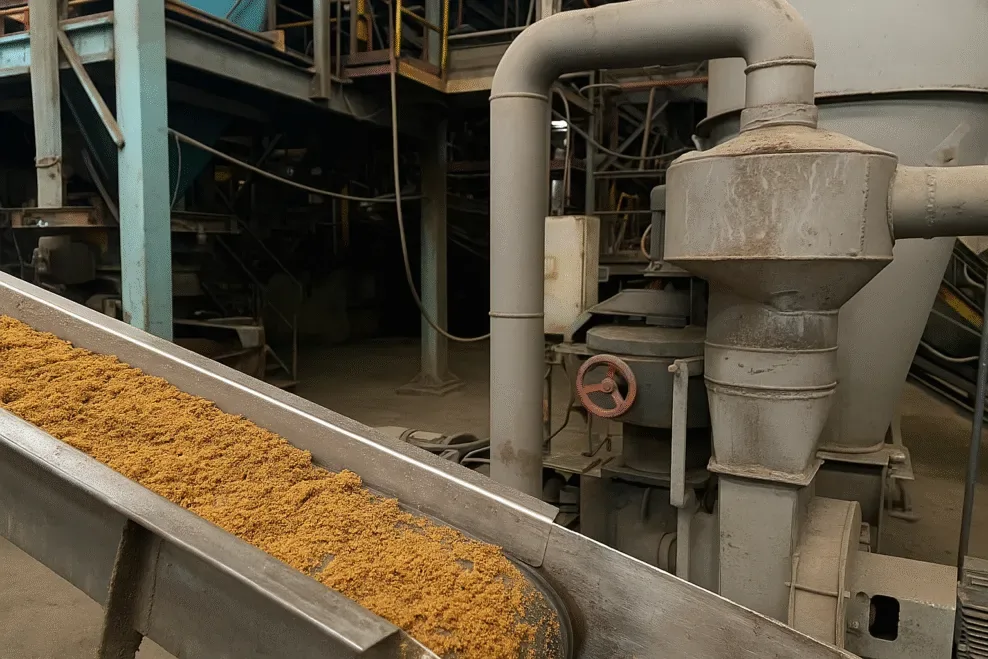
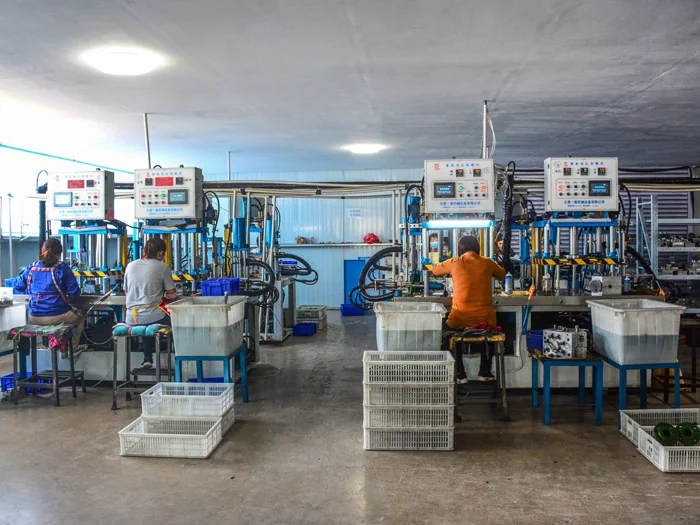
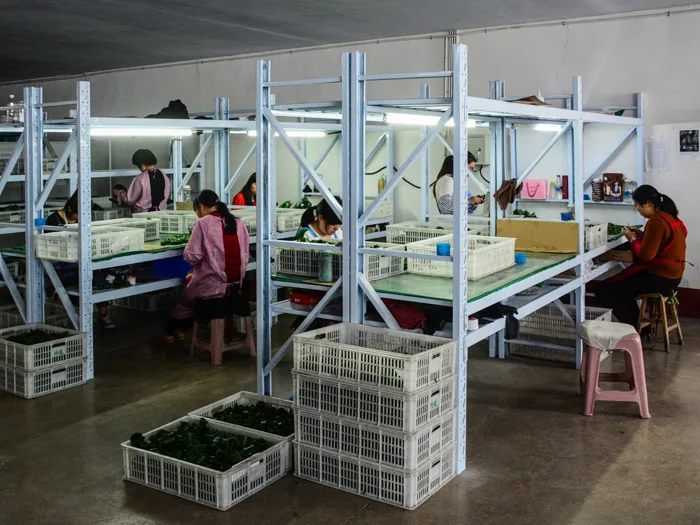
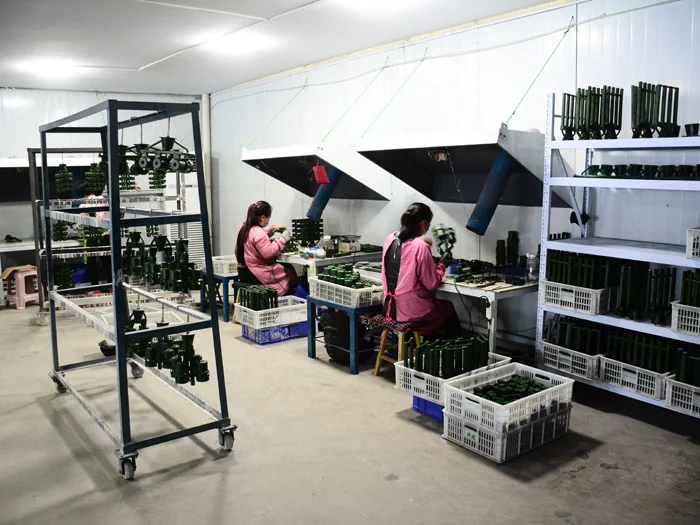
Grate bars are heat- and wear-resistant components that support fuel, control air distribution, and maintain stable combustion on boiler/furnace grates. Most failures come from thermal fatigue cracking, oxidation scaling, abrasive ash wear, and warping. PRIME produces grate bars with coated sand (resin-coated sand) casting, then confirms alloy and CTQs after drawing/spec review.
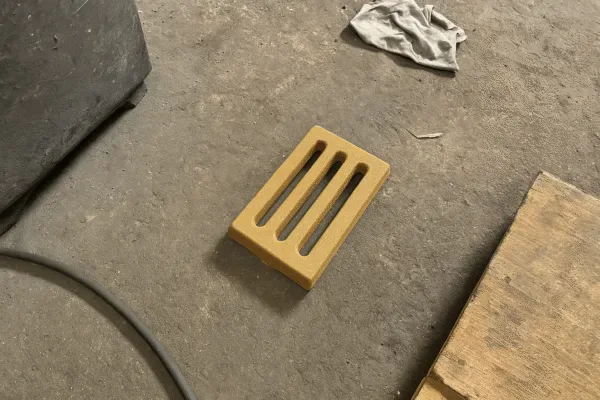
With coated sand molding and core-making, we focus on air-slot geometry, fit-up/interlocking profiles, and repeatable seating faces. Alloy selection (e.g., high-Cr cast iron or heat-resistant steels such as HK/HH/1.4848 where applicable) is chosen by temperature range, ash abrasiveness, and corrosion environment—then validated by inspection evidence when required.
Rib and slot features are designed to support stable fuel travel and primary air distribution. Slot geometry and fit-up are treated as CTQs where required.
Material is selected based on temperature, ash wear, and corrosion atmosphere. We can align to your specified grade/standard and support traceability evidence when requested.
Coated sand helps achieve consistent mold quality for interlocking ends and seating faces. Capability is confirmed after drawing review and CTQ definition.
Surface roughness and finishing depend on alloy and process route. Typical finishing options include shot blasting and heat treatment; final targets are confirmed by requirement.
Note: avoid “fixed Ra/tolerance promises” on-page; confirm by drawing + sample/FAI when needed.
Stable conveying and airflow control under high temperature + ash abrasion conditions.
Alloy selection focuses on corrosion atmosphere, thermal shock, and uneven loading risk.
Profiles designed for stable material flow and consistent heat transfer.
Fit-up and airflow geometry confirmed by drawing review and inspection evidence where required.
Note: alloy selection, CTQs, and inspection scope are confirmed after operating condition + drawing review.
When sourcing grate bars for boilers, incinerators, or kiln feed systems, the real question is: can the casting be produced consistently with controlled risks (e.g., warping, thermal fatigue cracks, oxidation scaling, abrasive wear)? This section explains how PRIME uses resin-coated sand (RCS) casting to improve repeatability and control key variables, backed by comprehensive inspection evidence.
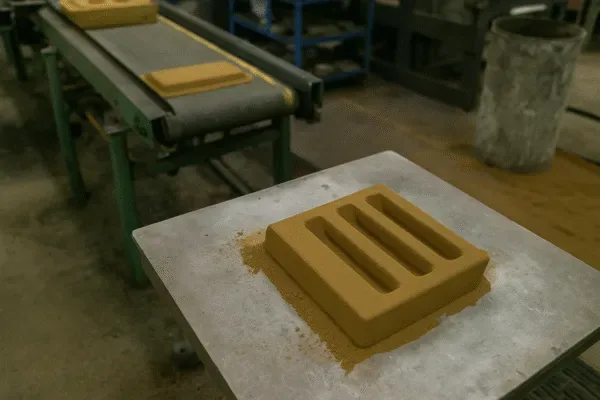
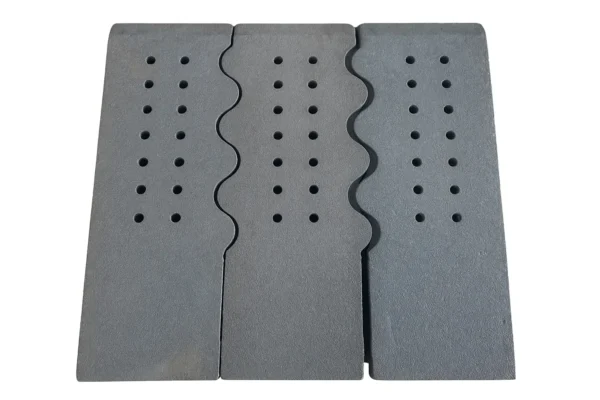
Grate bars endure high temperatures, abrasion, and impact. The primary critical to quality (CTQ) aspects are not appearance, but slot geometry, seating faces, and interlocking profiles which impact airflow efficiency and replacement fit-up. Resin-coated sand (RCS) improves mold stability for these features, while final capability is validated through a thorough drawing/spec review.
Note: “Service life” depends on the operating temperature range, fuel chemistry, ash abrasiveness, and mechanical load. We ensure the alloy and inspection scope are confirmed before production to minimize line-down risks.
Provide details about your temperature profile (peak + average), fuel/ash characteristics, grate type (e.g., chain, reciprocating, step-type), expected service hours, and annual volume. This information helps us recommend an optimal alloy and thickness strategy, define CTQs (e.g., straightness, flatness, slot geometry, and fit-up), and provide the most cost-effective RCS tooling approach.
Material selection isn't simply about "higher alloy = longer life." For grate bars, the real-world performance depends on factors like the temperature profile (peak/average & thermal cycling), fuel/ash abrasiveness, and corrosion atmosphere (e.g., chlorine/sulfur). At PRIME, we recommend alloys based on a detailed review of your drawings and operating conditions, followed by evidence-backed verification.
Peak/average temperature and thermal cycling frequency drive oxidation scaling and thermal fatigue risks.
Fuel/ash abrasiveness affects wear, while atmospheric conditions (e.g., chlorides/sulfur) influence hot corrosion.
Slot geometry, fit-up faces, straightness/flatness, and required reports are confirmed via spec review.
| Material Family | Best for | Typical Risks / Notes | How We Verify (As Required) |
|---|---|---|---|
| High-Chromium Cast Iron (High Wear) | Abrasion resistance in ash-heavy duty zones; stable wear surfaces. | May be less tolerant of impact/thermal shock depending on grade and section thickness. Final choice depends on thermal cycling and grate zone. | Chemistry/heat-lot traceability, hardness report, dimensional inspection. |
| Heat-Resistant Cast Steels (High Temperature) | Better high-temperature strength and oxidation resistance in hotter zones. | Wear resistance may be lower than high-Cr irons in abrasive ash environments; alloy + heat treatment route should match the temperature profile. | Chemistry verification, mechanical/hardness testing, dimensional inspection. |
| Ni-Resist Family (Corrosion Tolerance) | More tolerant in certain corrosive/hot gas environments; useful for mixed fuels. | Cost is higher; selection depends on corrosion drivers (fuel chemistry/atmosphere). | Chemistry report, hardness testing, dimensional inspection. |
| Alloyed Ductile Iron (Balanced Duty) | A balance of toughness and wear resistance for mid-temperature sections. | May not fit the hottest zones; confirm by temperature peak and cycling. | Chemistry/traceability support, hardness testing, dimensional inspection. |
| Cost-Sensitive Iron Grades (Entry Duty) | Best when duty temperature and corrosion are moderate, and cost is a primary constraint. | Higher risk of oxidation and shorter replacement intervals in harsh duty; best for lower zones. | Dimensional inspection, chemistry/hardness as per order requirements. |
Note: Exact temperature capability and hardness depend on the specific grade, section thickness, and heat treatment route. Final confirmation is made after drawing and operating condition review.
At PRIME, we don’t just list alloys—we help you reduce line-down risk by connecting operating conditions → alloy strategy → process route → inspection evidence.
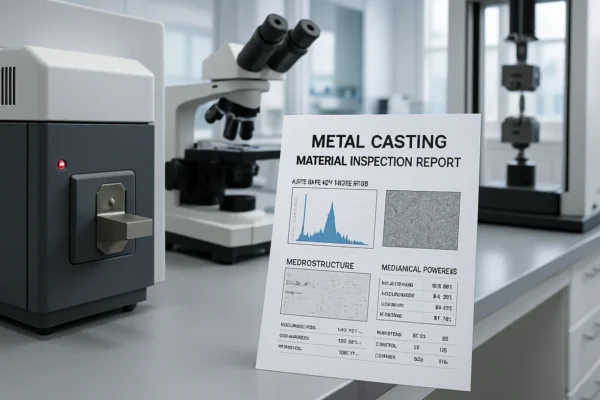
For projects requiring traceability, we support chemical composition verification and hardness testing per the agreed QC plan, and provide MTR/MTC documentation when specified.
Trust note: The report scope (chemistry/hardness/microstructure/NDT) is defined by your spec and purchase requirements.
We review rib thickness, slot geometry, and fit-up features to reduce common failures: warping, thermal fatigue cracking, and uneven wear. Recommendations are based on your temperature profile and grate zone.
If you share current replacement intervals and downtime cost assumptions, we can compare alloy options by expected replacement frequency and procurement cost—helping you choose a balanced solution for your plant.
Note: “Best ROI” depends on operating hours and maintenance strategy; we align assumptions before quoting.
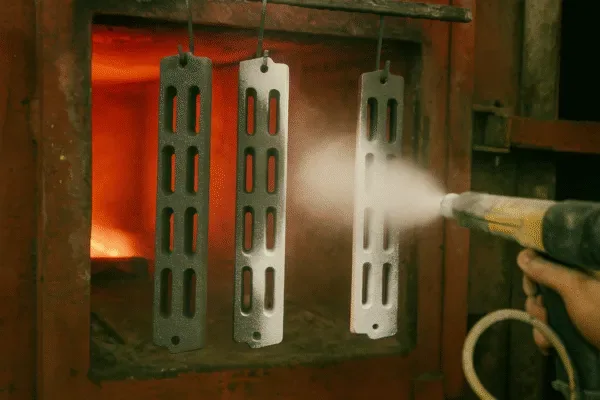
Surface treatment is vital in extending the service life and enhancing the performance of grate bars operating in high-temperature and corrosive environments. PRIME offers a range of specialized coating and finishing options designed to protect your grate bars from oxidation, scaling, and thermal fatigue. Each process is carefully engineered to match the alloy composition and operational conditions of your combustion system.
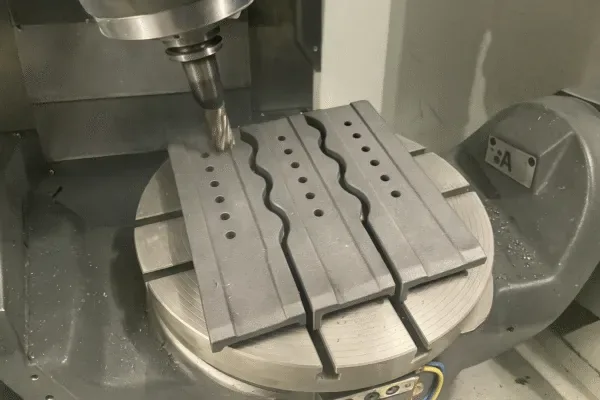
The dimensional stability, airflow precision, and overall strength of grate bars are determined by the accuracy of their molds. PRIME’s engineering team develops and maintains high-precision core boxes and metal tooling optimized for the resin-coated sand process.
We use CAD/CAM modeling and 5-axis CNC machining to ensure uniform slots, consistent wall thickness, and smooth air-channel geometry. Each mold is validated through trial pours and 3D scanning before production, ensuring repeatable results for large volumes.
By optimizing mold venting, gating, and shrinkage compensation, PRIME helps customers achieve better metallurgical quality, reduced porosity, and enhanced heat-flow performance—creating reliable grate bars for demanding boiler and incinerator applications.
At Prime, every grate bar reflects our commitment to precision, durability, and reliability. Our quality management system covers every stage—from alloy selection and mold design to finishing and inspection—ensuring that your grate bars meet the highest international standards.
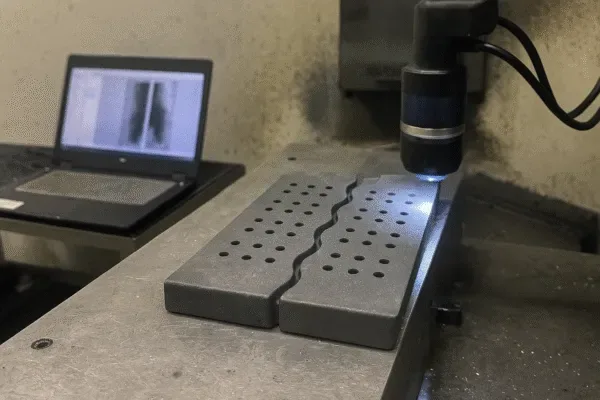
Grate bars operate under extreme heat, abrasion, and thermal cycling. Without strict control over casting and finishing processes, defects can lead to early failure and costly downtimes. At PRIME, we employ advanced RCS tooling optimization, process simulation, and real-time quality control to prevent these issues.
Description: Distortion along the bar length or slot regions after solidification or heat cycles, resulting in poor fit and uneven airflow.
PRIME Solution: We optimize the RCS core design with balanced wall thickness, shrinkage/warpage offsets, controlled cooling, and stress-relief or normalizing treatments to stabilize geometry.
Description: Localized cavities in thick sections near ribs or mounting bosses that compromise strength and crack resistance.
PRIME Solution: We use feeding simulations, optimized risers, ceramic sleeves/filters, and tailored gating designs to ensure smooth, directional solidification.
Description: Incomplete fusion at narrow slots where molten streams meet, leading to seams that restrict airflow and weaken the edges.
PRIME Solution: Proper pour temperature control, low-turbulence gating, vented shell cores, and optimized slot drafts and radii to ensure smooth fillability.
Description: Non-metallic particles trapped within the casting or at the surface, leading to premature spalling and crack initiation.
PRIME Solution: We implement clean melt practices with filtering, protected transfer, controlled stream height, and gate design to minimize air entrainment and reduce inclusions.
Description: Heavy oxide scale and rough skin, which reduce thermal efficiency and accelerate wear during service.
PRIME Solution: Shot-blasting after shakeout, specified heat-treat cycles, and optional high-temperature ceramic or heat-resistant coatings to prevent oxidation and slag attack.
Grate bars are essential wear- and heat-resistant components used across thermal-processing industries. Their precision airflow geometry, alloy stability, and modular design make them ideal for high-temperature and abrasive environments. At PRIME, we customize alloy, slot pattern, and coating to each duty cycle—maximizing service hours and minimizing unplanned downtime.
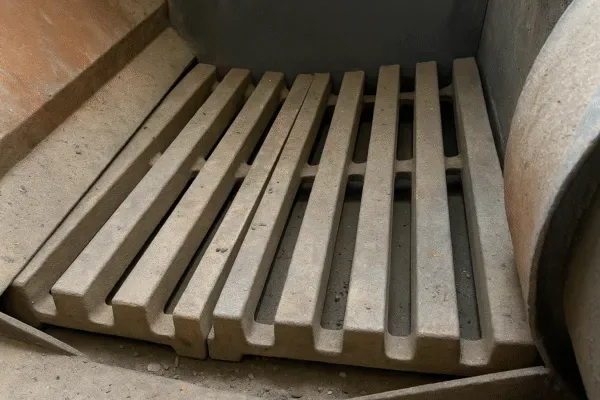
Impact: Requires uniform combustion, anti-slagging, and low deformation through thermal cycling.
PRIME’s Role: High-Cr/Ni-resist alloys, optimized air-slot geometry, and ceramic coatings for extended run time and stable bed movement.
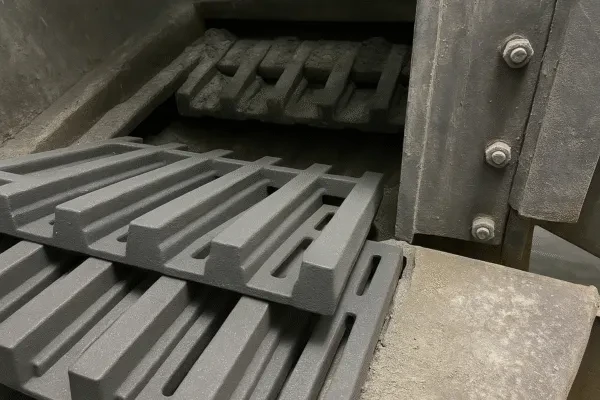
Impact: Highly corrosive flue gases and variable fuels require oxidation- and abrasion-resistant surfaces.
PRIME’s Role: Ni-resist/heat-resistant steel bars with replaceable tips and sealed joints to maintain air control and reduce clinker adhesion.
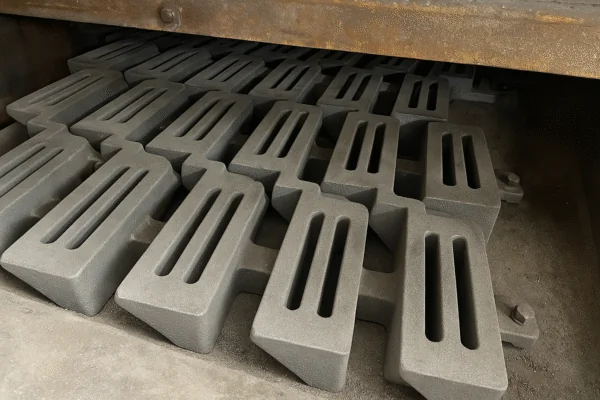
Impact: Extreme thermal shock and abrasive clinker demand stable geometry and wear control.
PRIME’s Role: SiMo/Hi-Cr alloys with straightness control, hardened surfaces, and airflow patterns designed for efficient clinker cooling.
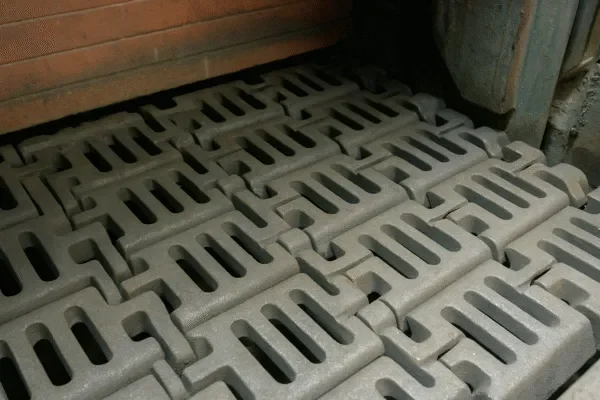
Impact: High ash and erosive particulates accelerate slot edge wear and bar tip erosion.
PRIME’s Role: Alloy selection based on ash chemistry, tip hardfacing options, and replaceable plates to reduce maintenance frequency.
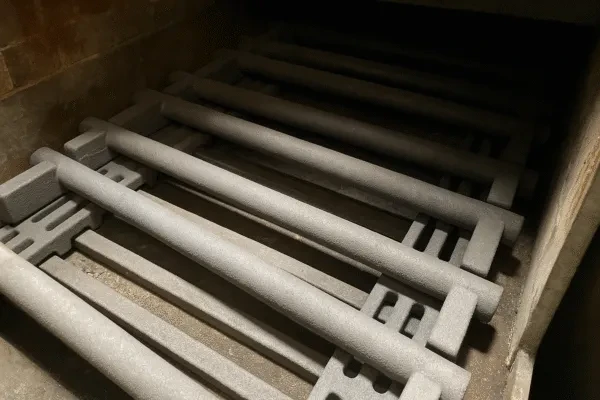
Impact: Continuous exposure to furnace cycles requires oxidation stability and flatness retention.
PRIME’s Role: Heat-resistant steels with stress-relief cycles and precision machining for smooth transfer and minimal snagging.
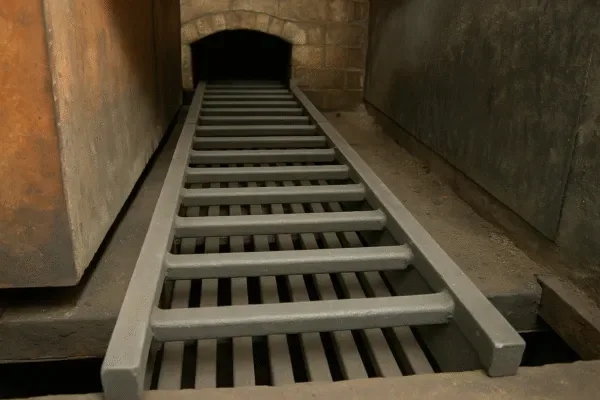
Impact: Sticky feedstocks and corrosive condensates challenge airflow and surface integrity.
PRIME’s Role: Anti-fouling coatings, self-cleaning slot patterns, and modular assemblies for quick maintenance turnaround.
From WTE and biomass to cement coolers—PRIME engineers specify the right alloy, slot geometry, and coating for your grate bar duty cycle.
Have a unique furnace or feed system? Share your drawings and operating profile—we’ll design a custom grate bar set for maximum uptime.
Discuss Your ApplicationChoosing a reliable grate bar manufacturer is crucial to ensure long service life, stable combustion efficiency, and reduced maintenance costs for industrial boilers and kilns. Beyond price, factors like material stability, casting precision, and technical support play decisive roles in long-term equipment performance. At PRIME, we help global buyers evaluate the right partner for high-temperature grate bar production with professional standards and proven expertise.
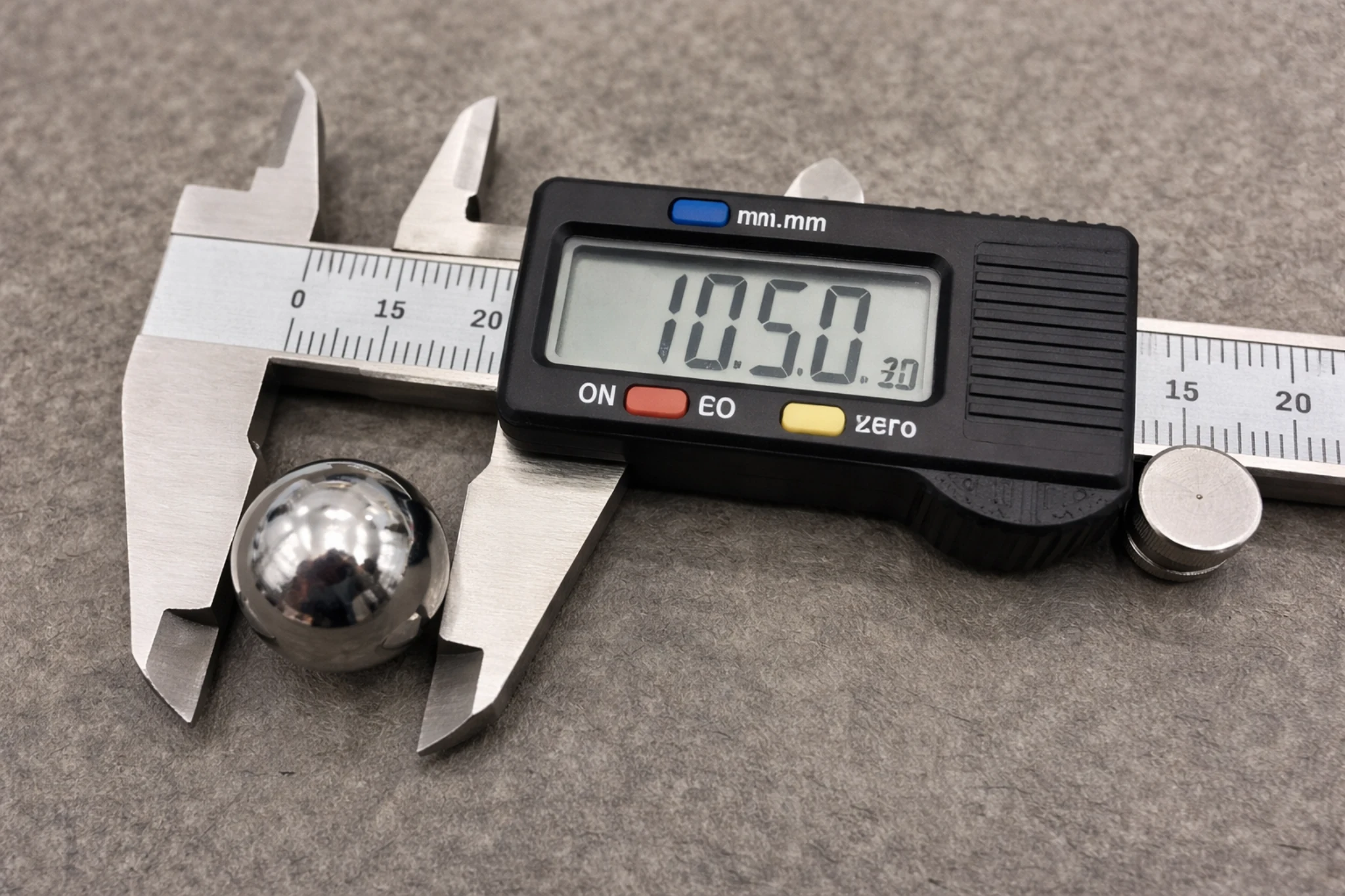
Grate bars operate in high-heat and corrosive combustion environments. Strict quality control is non-negotiable. A professional manufacturer should possess an ISO-certified system, chemical analysis, spectrometer testing, and CMM dimensional inspection to ensure each bar meets metallurgical and dimensional standards.
For grate bars, coated sand casting and heat-resistant alloy treatment are essential processes. Advanced foundries combine automated molding lines, precision core-making, and five-axis CNC finishing to achieve dimensional stability and fine surface texture.
Different furnaces—biomass, coal, waste-to-energy, or lime kilns—require different heat-resistant alloys such as high-chromium or nickel-based cast iron. A competent supplier provides not only production but also metallurgical consulting, alloy optimization, and thermal fatigue analysis for each working condition.
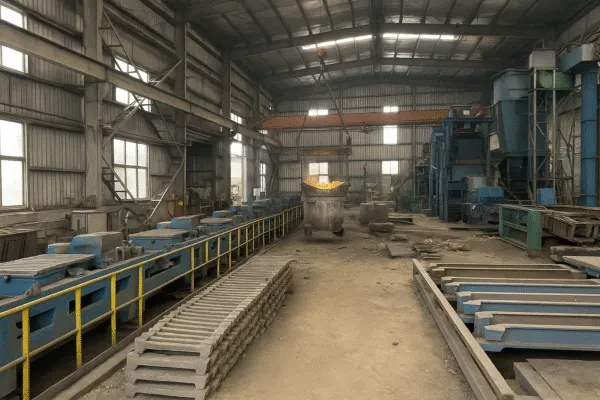
Industrial projects depend on on-time deliveries. Evaluate whether the supplier maintains consistent production scheduling, inventory safety stock, and export logistics experience to avoid supply interruptions during maintenance shutdowns or peak operation seasons.
For grate bars, the cheapest option often means shorter lifespan and higher replacement frequency. A long-lasting alloy or improved casting precision may reduce downtime and overall maintenance costs over the product’s lifecycle.
Experienced manufacturers who supply to biomass, cement, and waste incineration plants understand the temperature gradients, air flow patterns, and wear mechanisms involved. Reliable partners should provide long-term performance feedback and documented case studies.
Looking for a dependable long-term manufacturer of high-temperature grate bars? Contact PRIME for engineering consultation, sample verification, and customized alloy solutions.
Optimize your grate bar performance, durability, and production efficiency through intelligent DFM engineering.
What is DFM for Grate Bars? Design for Manufacturability (DFM) is a proactive engineering practice that improves the manufacturability, consistency, and cost-effectiveness of grate bars — long before production begins.
At PRIME, our DFM service integrates alloy engineering, casting simulation, and tooling optimization to help you achieve superior heat resistance, straightness, and wear life while keeping production costs under control.
Buyer's pain: “Our grate bars deform after several cycles of high-temperature operation. Can the design or casting process be improved to enhance stability and reduce maintenance?”
Our engineering team analyzes your 3D models and furnace layout to identify deformation risks, uneven air slots, and stress concentration zones. Through finite element and thermal flow simulations, we optimize the grate geometry for high-temperature stability and even air distribution.
Our DFM process for grate bars combines material science and foundry expertise to ensure your products withstand thermal shock, abrasion, and deformation across demanding boiler, kiln, and incinerator applications.
Work with PRIME early in your design phase — to minimize rework, extend service life, and improve the reliability of every casting batch.
When sourcing grate bars for boilers, incinerators, or kiln coolers, buyers often ask: resin-coated sand (RCS) casting or CNC machining? Both can achieve reliable performance, but they excel in different duty cycles. At PRIME, we offer integrated RCS casting + precision machining—giving impartial guidance and a process mix tailored to your air-slot geometry, alloy, and service life targets.
RCS casting forms grate bars by curing resin-coated sand shells in heated core boxes and pouring heat-resistant alloys. It offers stable airflow channels, consistent edges, and competitive cost for continuous replacements.
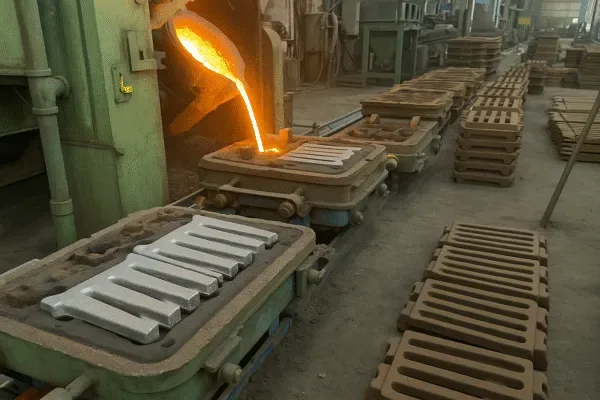
Biomass/WTE furnace grates, cement/lime cooler grates, utility boiler moving grates—medium to large batches with defined replacement cycles.
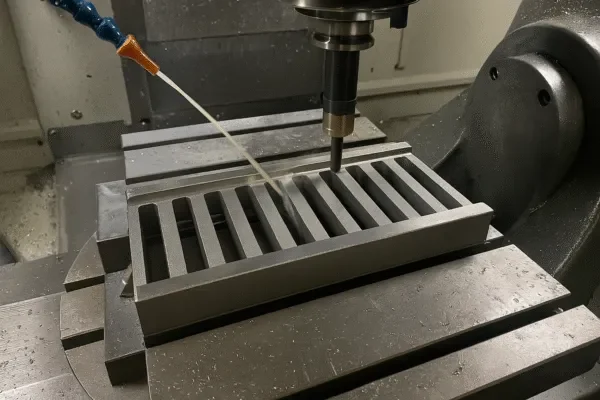
CNC machining removes stock from cast blanks or solid plates to achieve tight tolerances on bearing faces and slot edges—ideal for prototypes, urgent spares, or special geometries.
Pilot lines, emergency replacements, custom modules with non-standard slot patterns, and interfaces needing ±0.05 mm flatness/straightness.
| Feature | RCS Casting (Grate Bars) | CNC Machining (Grate Bars) |
|---|---|---|
| Production Volume | Medium–High (planned batches) | Low–Medium (prototypes/spares) |
| Air-Slot Complexity | Molds complex patterns reliably | Precision trimming/edge finishing |
| Tooling Cost | Higher (core boxes & molds) | Low–None (programming/fixtures) |
| Unit Cost | Low at scale | Higher per piece |
| Lead Time | Longer (tooling build/PPAP) | Short (program & cut) |
| Material Waste | Low (near-net) | Higher (subtractive) |
| Typical Tolerance | ±0.2–0.5 mm as-cast; tighter after finish | ±0.02–0.05 mm on critical faces |
PRIME combines RCS casting with CNC finishing to hit your targets for airflow, straightness, and wear life—without overspending.
Send us your drawings, alloy preference, volume plan, and operating profile. Our engineers will recommend the most economical, high-reliability route for your grate bar set.
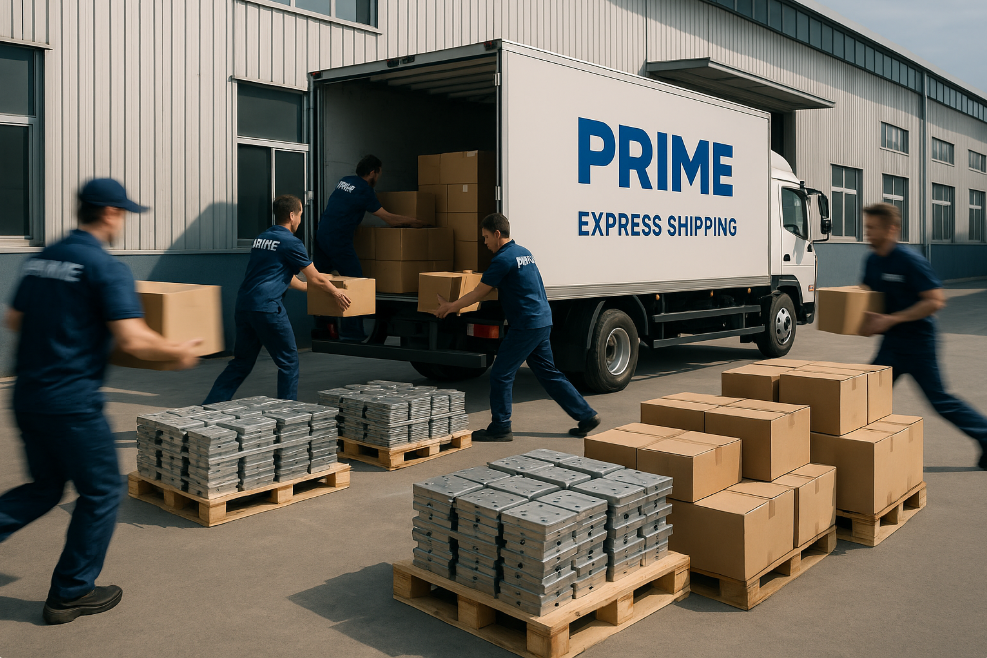
For industrial buyers in energy, biomass, and waste-to-energy sectors, reliable delivery of grate bars is critical to maintaining continuous operations. With over 20 years of export experience, Prime ensures every heat-resistant grate bar and casting component reaches you safely, on time, and within budget — no matter where your plant is located.
“Our boiler maintenance schedule is tight — how can we ensure that custom grate bars arrive on time without customs issues or transit damage?”
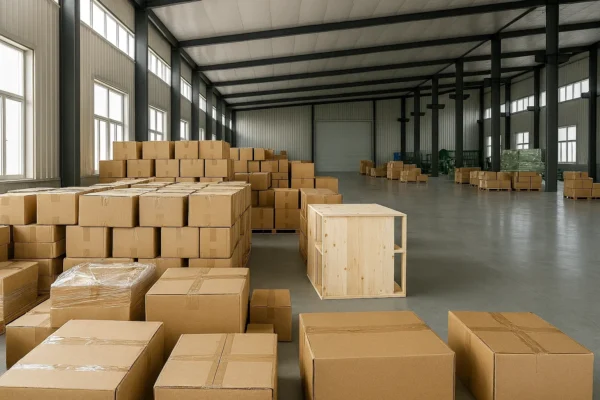
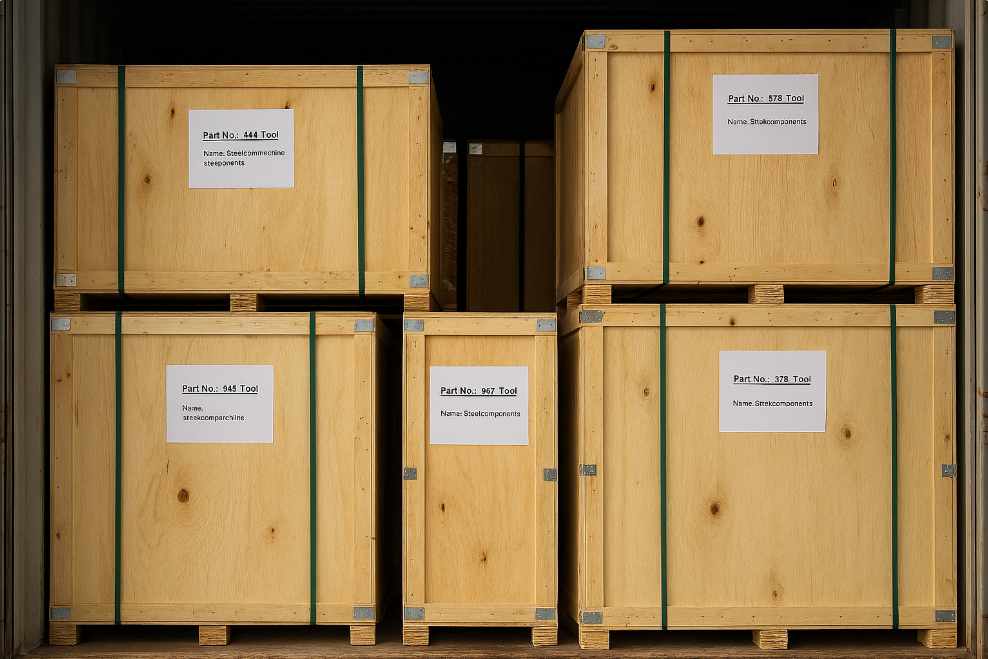
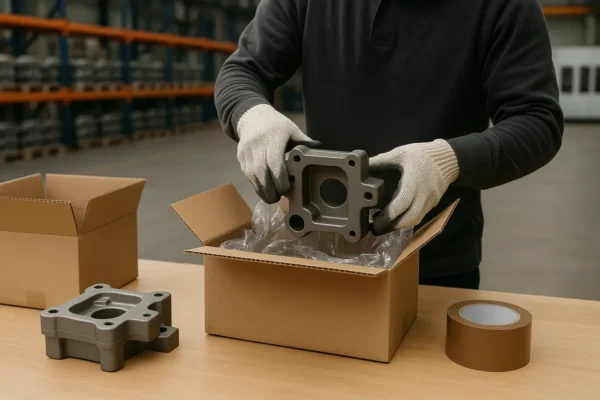
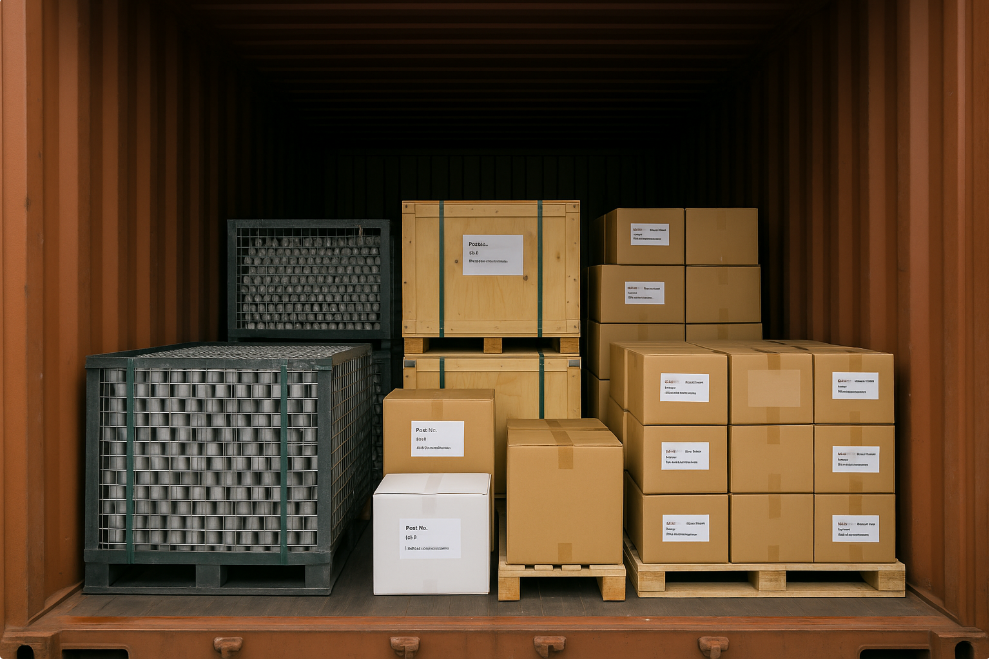
Prime doesn’t just manufacture cast grate bars — we handle the entire global delivery process. From export paperwork to packaging design, we guarantee efficient, transparent, and damage-free transportation for every shipment.
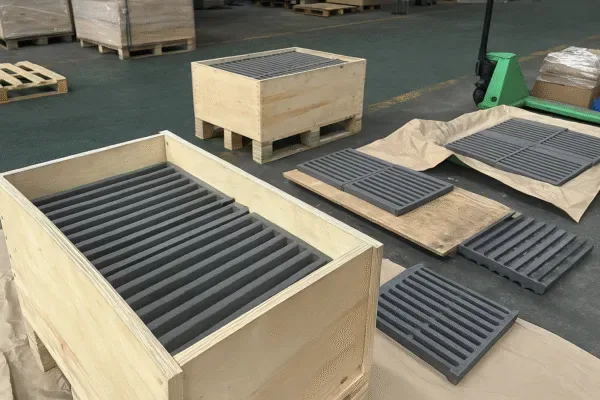
We select the most efficient transport method for your grate bar orders based on weight, quantity, and urgency.
Track your grate bar shipment from our foundry to your plant. Our logistics team provides proactive notifications and ensures all cargo is traceable 24/7.
For long-term industrial clients, we maintain inventory buffering and regional warehousing for grate bars — ensuring you can quickly replace worn parts without waiting for international shipments.
From casting to customs, every grate bar shipment is handled with precision. Prime guarantees timely, compliant, and secure delivery for your heat-resistant components worldwide.
In high-temperature combustion systems, sustained innovation is the key to longer service life and fewer unplanned shutdowns. For B2B buyers, partnering with an R&D-driven supplier means better heat resistance, straighter assemblies, and lower total cost. At PRIME, our R&D focuses on grate bars for biomass, WtE, cement, and utility boilers—pushing airflow efficiency, wear resistance, and dimensional stability.
Buyer Concern: Can this supplier deliver grate bars that stay straight, resist thermal shock, and fit drop-in with our existing modules while meeting tight schedules?
By investing in advanced alloy research, automated casting processes, and tailored grate designs, PRIME ensures your grate bars meet the toughest demands of high-temperature combustion systems, staying straight, thermal-shock resistant, and fit perfectly with your modules.
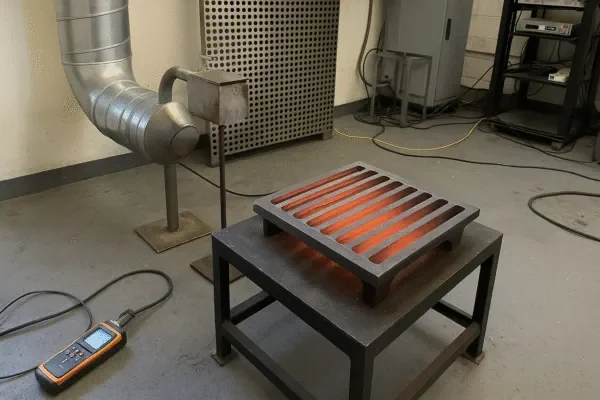
We engineer and test Hi-Cr, Ni-resist, SiMo irons/steels and ceramic/Al-based coatings for hotter, more corrosive furnaces. Programs target oxidation, slag adhesion, and thermal-shock resistance—validated via hardness, microstructure, and cyclic heat-quench testing.
We optimize RCS (resin-coated sand) tooling for slot fidelity and straightness, and use CFD + casting simulation to balance pressure drop, fuel conveyance, and feeding/solidification. Automation improves shell thickness control and reduces fettling time.
We reduce scrap and energy use while improving throughput. Reclaimed sand programs, optimized furnace schedules, and low-VOC coatings lower footprint without compromising reliability.
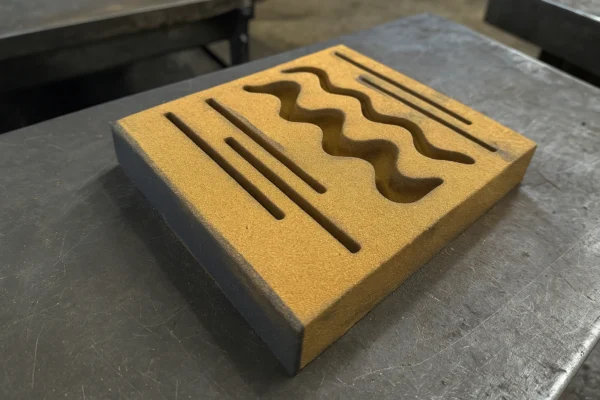
We co-design slot patterns (parallel, wave, staggered), interlocking joints, and module interfaces for your furnace layout. From pilots to retrofit sets, our team supports DFM, PPAP, and accelerated sample timing to secure outages and maintenance windows.
Work with a supplier that invests where it matters: materials, airflow geometry, casting science, and metrology. Our innovation delivers straighter bars, longer wear life, and smoother conveying—reducing shutdowns and lowering total ownership cost.
Learn MoreFor industrial buyers, sourcing finished grate bars from multiple vendors can increase costs and coordination risks. At PRIME, we go beyond casting. Our value-added services deliver ready-to-install grate bar assemblies — fully machined, coated, and packed — ensuring smooth furnace integration and maximum reliability.
“I need finished grate bars — machined, coated, and assembled. Managing multiple suppliers causes delays and quality variations. Can one factory handle everything from foundry to final packing?”
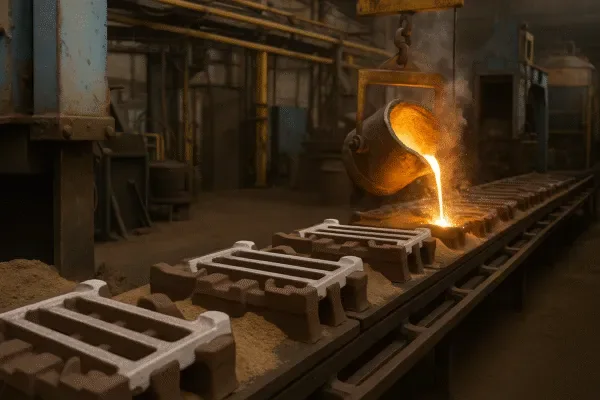
PRIME offers a vertically integrated production system — from resin-coated sand casting and heat treatment to CNC machining, assembly, and export packing. We manage every step under one roof for consistency, traceability, and efficiency. This eliminates delays, reduces coordination risks, and ensures you get high-quality, ready-to-install products on time.
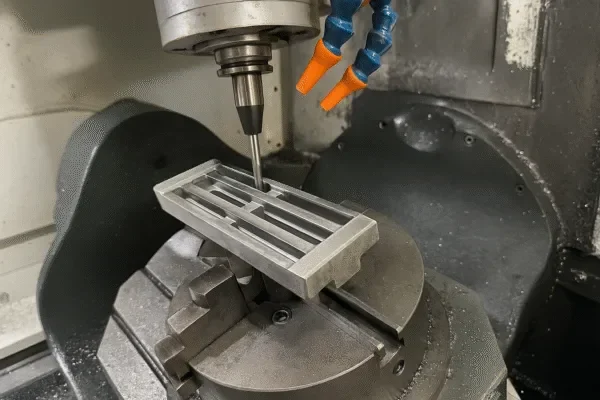
We supply pre-assembled grate bar modules ready for installation into boiler systems:
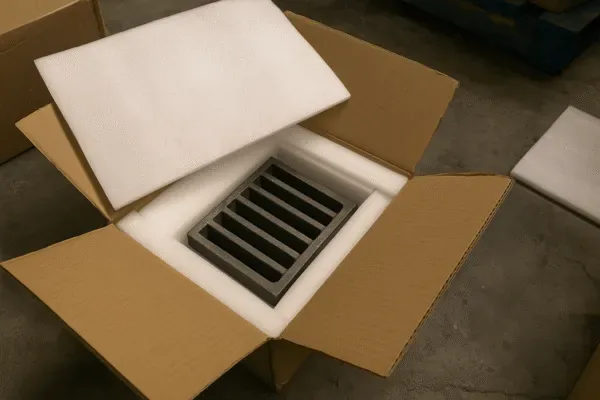
From molten alloy to finished, packaged grate bar assemblies, PRIME delivers complete manufacturing integration. Every process is ISO-certified and traceable, ensuring unmatched reliability and performance.
With PRIME, you receive more than castings—you receive fully functional components engineered for immediate use in your combustion systems.
| Heat-resistant alloy steel | High-chromium cast iron |
| Ni-Cr alloy | High-silicon ductile iron |
| Stainless steel casting | Coated sand cast iron |
| Custom alloy formulation | Other special heat alloys |
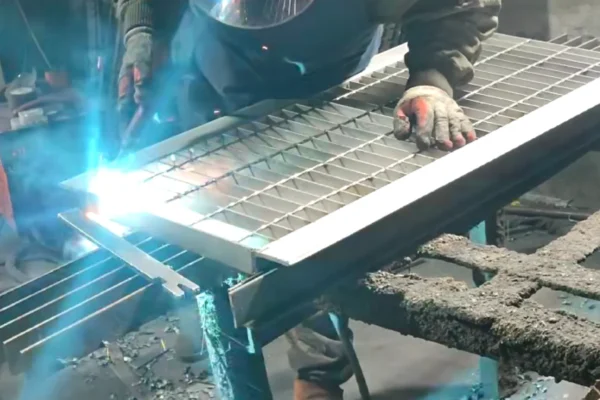
| Five-axis CNC machining | Deburring & Slot grinding |
| High-temp ceramic coating | Heat treatment & Hardening |
| Welding & Repair overlay | Precision polishing |
| NDT inspection | Custom surface enhancement |
Prime designs and manufactures high-performance grate bars that withstand extreme heat and corrosion — tailored for industrial boilers, incinerators, biomass systems, and kilns worldwide.
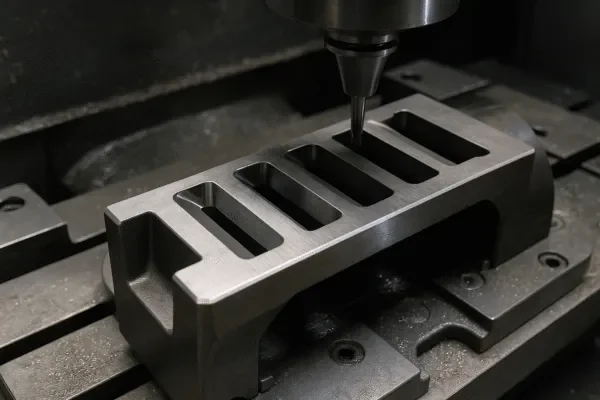
Choosing the right grate bar supplier is essential for optimizing plant uptime, combustion efficiency, and controlling costs. This page outlines the critical considerations, from RCS (resin-coated sand) molding and alloy selection to quality assurance and global delivery. The key is to partner with a supplier who controls the entire process, ensuring consistent straightness, accurate airflow geometry, and support for your long-term operational goals.
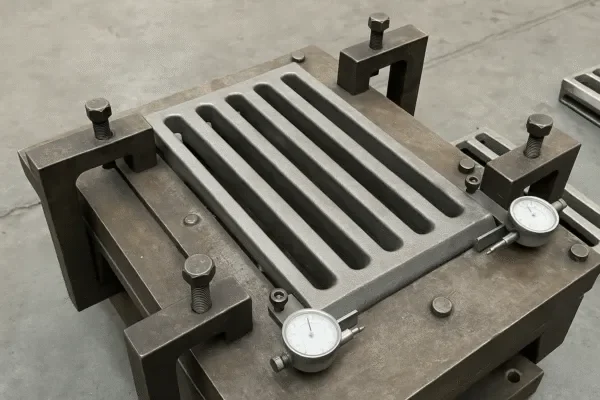
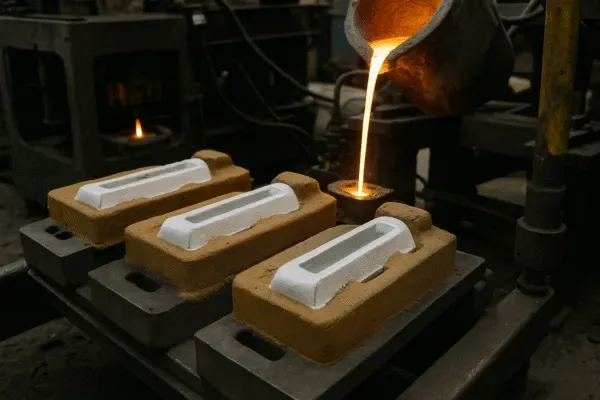
For over 30 years, PRIME has specialized in manufacturing heat-resistant grate bars for biomass boilers, waste-to-energy plants, kiln systems, and utility boilers. With our ISO-certified quality control, RCS/shell molding, controlled melting, and CNC finishing, we deliver stable slot geometry, straightness, and long wear life.
From alloy selection and simulation to heat treatment, machining, and export packaging, our integrated process ensures consistency, fast turnarounds, and predictable performance in the field.
With high-capacity molding lines and established shipping routes to North America, Europe, the Middle East, and Australia, PRIME can scale to meet your outage schedules. Our logistics team handles HS codes, export documentation, and regional warehousing to ensure timely replacements.
Upgrade your combustion systems with grate bars engineered for straightness, airflow, and durability—backed by reliable global delivery.
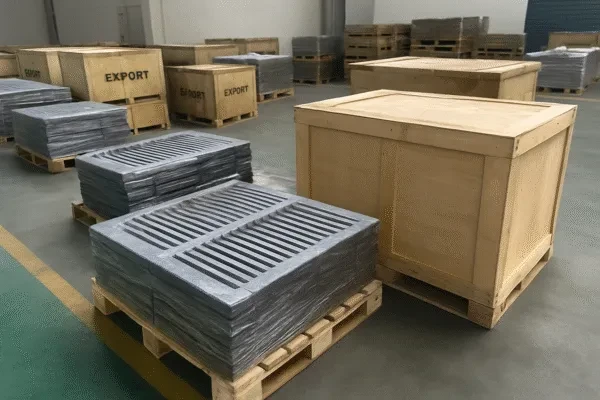
Send us your furnace model, fuel profile, annual operating hours, and drawings to receive a feasibility review, alloy proposal, and quotation within 24 hours.
Improve uptime and combustion with PRIME grate bars.
Get a Grate Bar Quote




*Logos are property of their respective owners.
Real feedback from global buyers who trust us to deliver high-quality, customized industrial components.

Purchasing Manager – Metal Components
We’ve sourced CNC machined parts from Prime for over two years. The precision is consistently excellent, tolerances are spot on, and their team is responsive and professional. Fast lead times and secure packaging make them a reliable long-term partner.

Strategic Sourcing Specialist – Industrial Hardware
The forged components we received from Prime were top quality — strong material integrity, accurate dimensions, and zero defects. Their team understood our specs clearly and delivered right on schedule. Great supplier for high-stress applications.

Supply Chain Buyer – Custom Metal Parts
We ordered a batch of custom metal welded assemblies from Prime, and the quality was outstanding. The welds were clean, uniform, and met all our strength requirements. Communication was smooth, and delivery was faster than expected.

Senior Buyer – Automotive
Prime supplies us with custom metal casting parts that meet strict automotive standards. Their ISO-certified quality, fast prototyping, and on-time delivery make them a trusted partner in our supply chain.

Procurement Lead – Electronics
Prime has been a reliable partner for our custom plastic parts in consumer electronics. The injection-molded components are precise, durable, and always delivered on time, helping us stay competitive in the market.

Category Manager – Industrial Projects
Prime delivers high-quality custom metal forgings for our industrial machinery. The parts are strong, reliable, and meet our exact specifications. With consistent quality and on-time delivery, Prime has become a trusted partner in our long-term projects.

Operations Buyer – Machinery
Prime’s custom metal fasteners have proven to be durable and precise, perfectly fitting our heavy-duty machinery. Their consistent quality and reliable delivery help us maintain smooth production with fewer interruptions. Prime is a supplier we can count on for critical components.
REPLY WITHIN 24 HOURS
When you contact us, you get more than just a price. You get a dedicated partner.
Your email information will be kept strictly confidential and our business staff will ensure that your private information is absolutely safe!