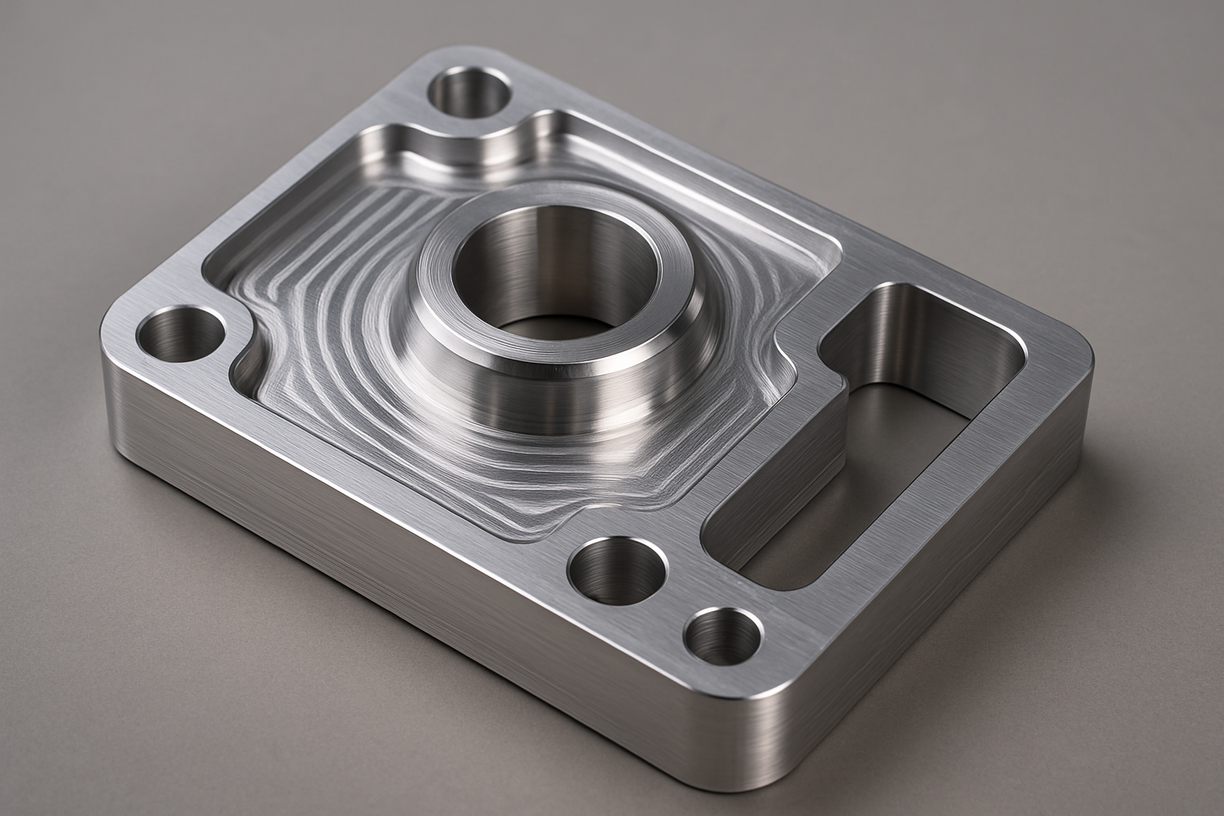
CNC Milled Parts
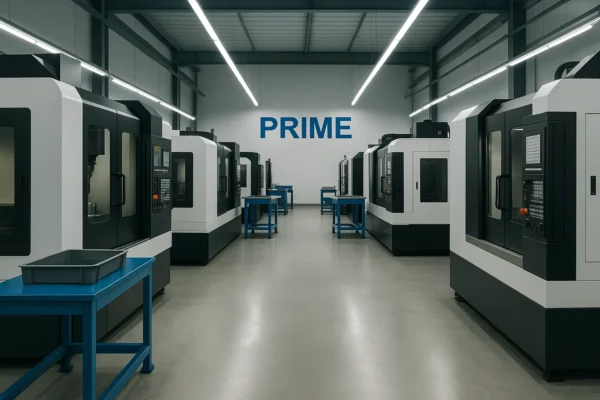
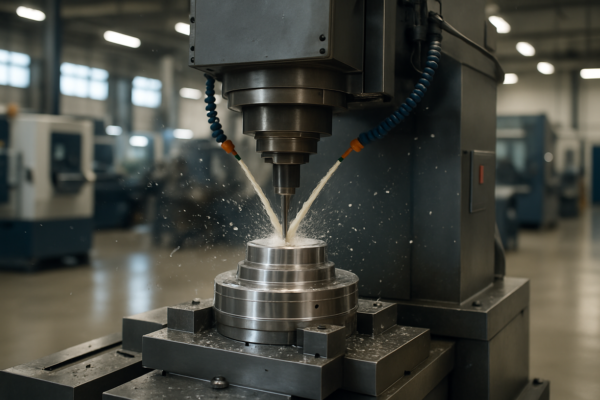
Best for prismatic parts, pockets, slots, and complex 3D features.
- Typical parts: brackets, housings, plates
- CTQ focus: flatness, position, surface finish

Shandong Prime (est. 1993) · B2B wholesale only · Build-to-print CNC parts
From drawing review (DFM) to machining and inspection—delivering the evidence you need for purchasing approval.
Note: final lead time and inspection scope are confirmed after drawing review and CTQ definition.
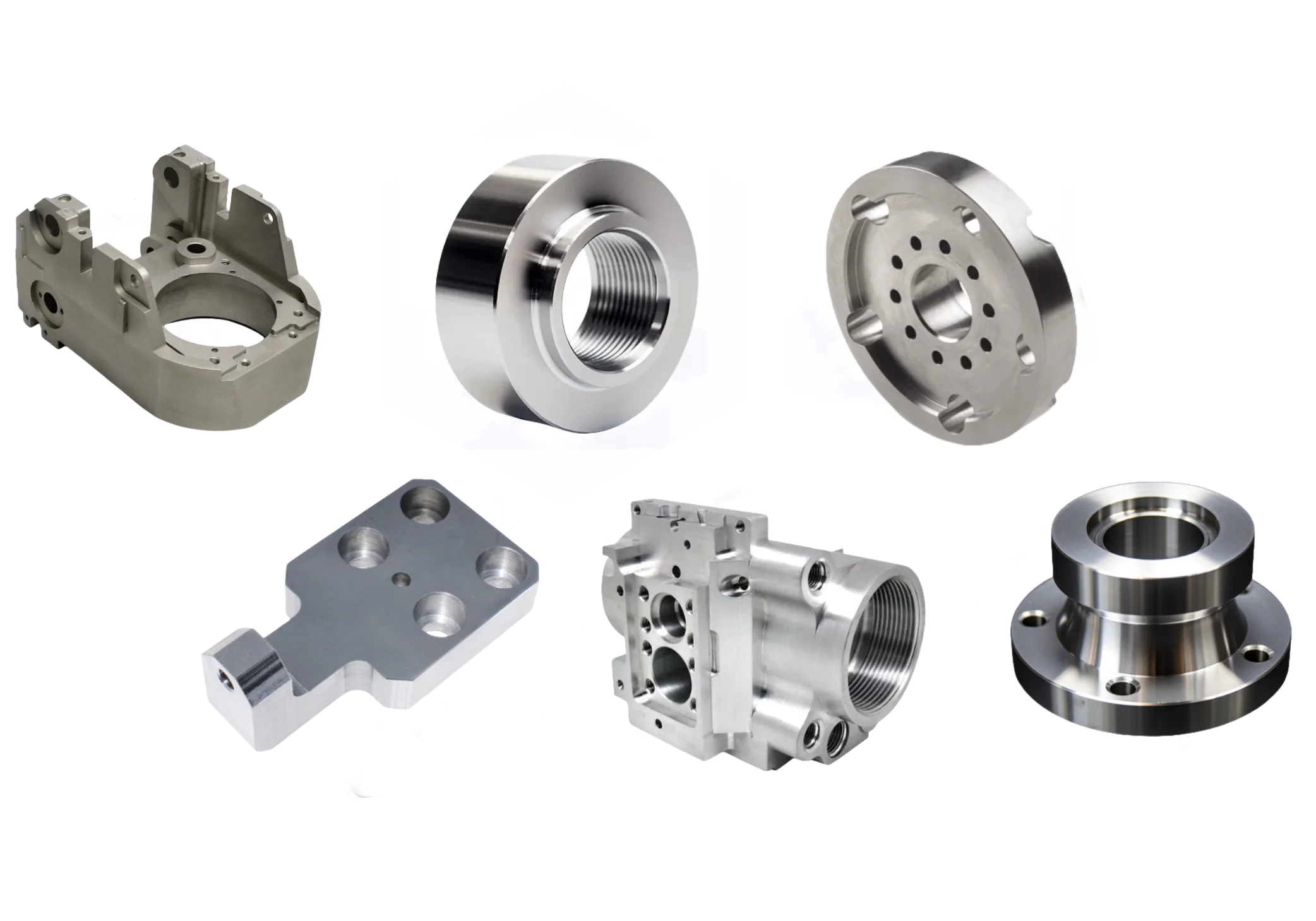
Send drawings and mark CTQs (critical dimensions / surface finish / threads). We return DFM feedback and an inspection plan suggestion before production.
Best for prismatic parts, pockets, slots, and complex 3D features.
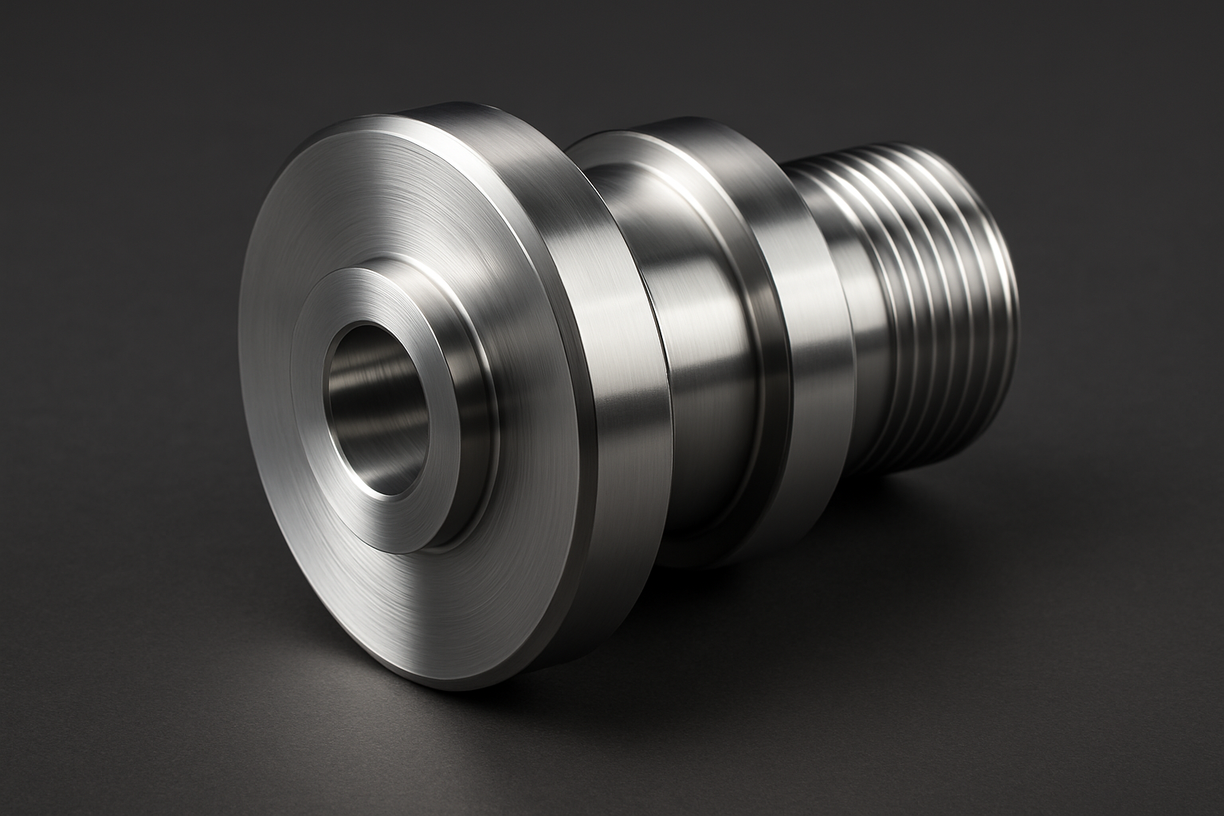
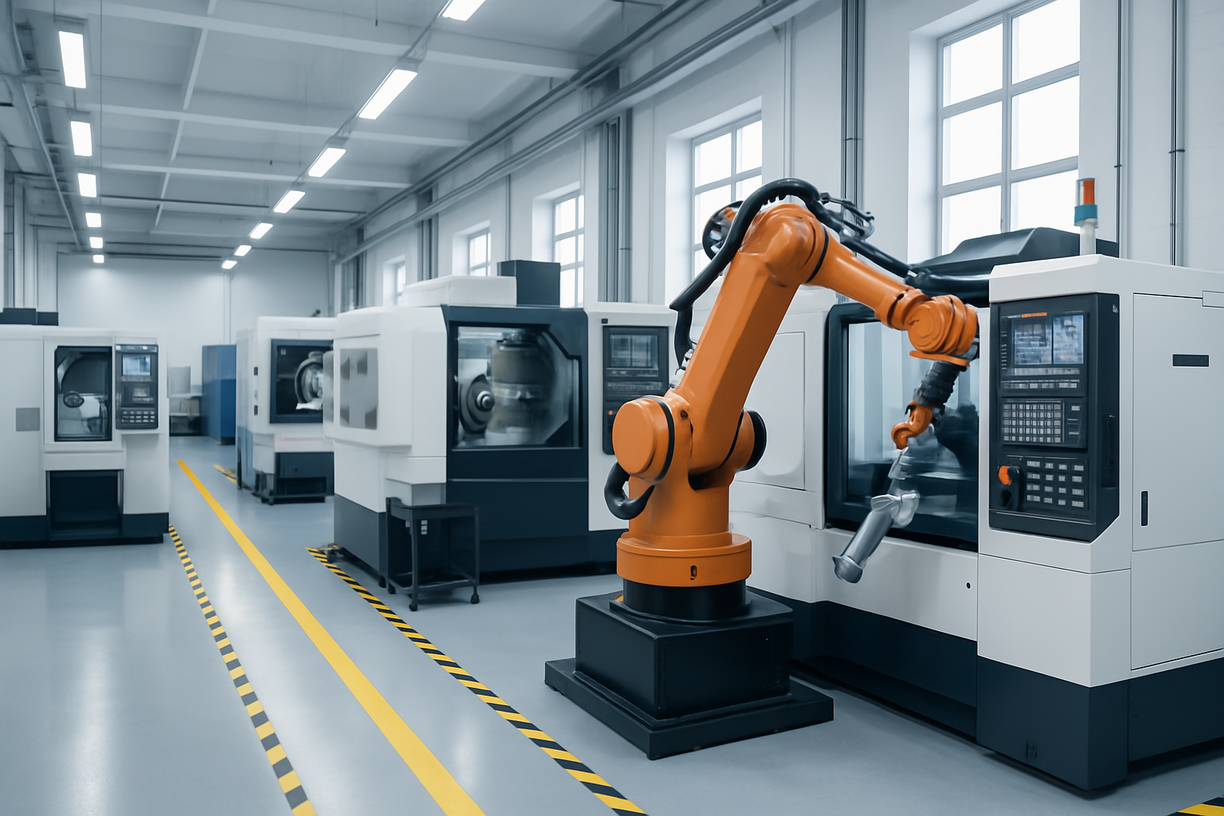
Best for rotational parts with tight concentricity and stable repeatability.
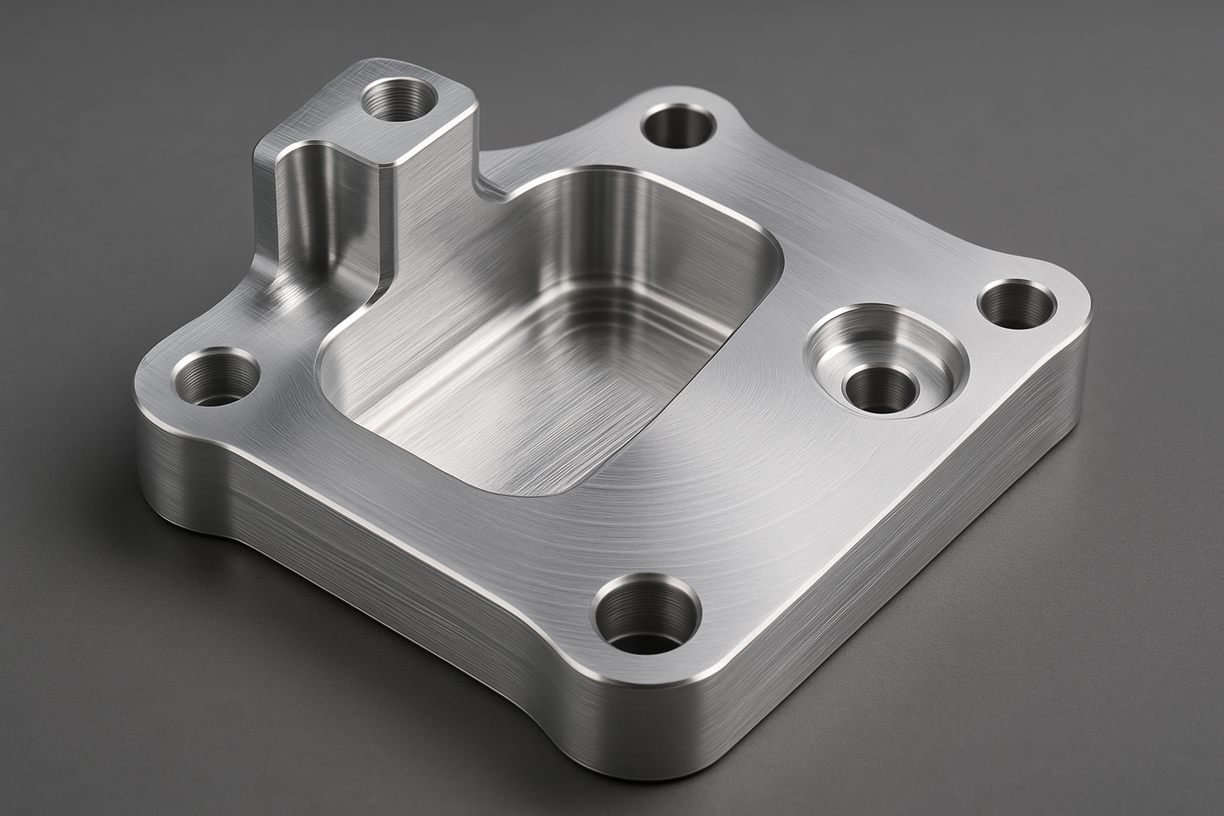
Lightweight with good machinability—often selected for enclosures, fixtures, and heat-related components.
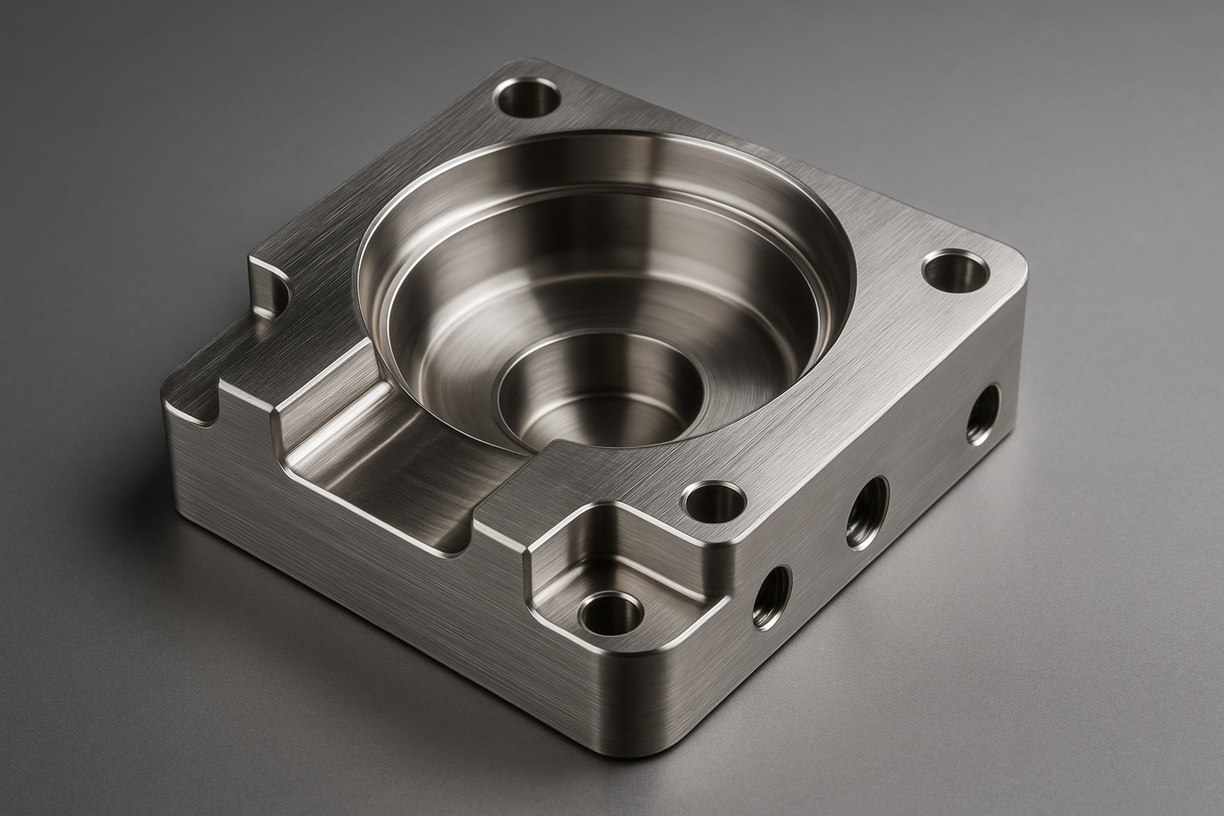
Chosen for corrosion resistance and strength—commonly used for industrial and sanitary applications.
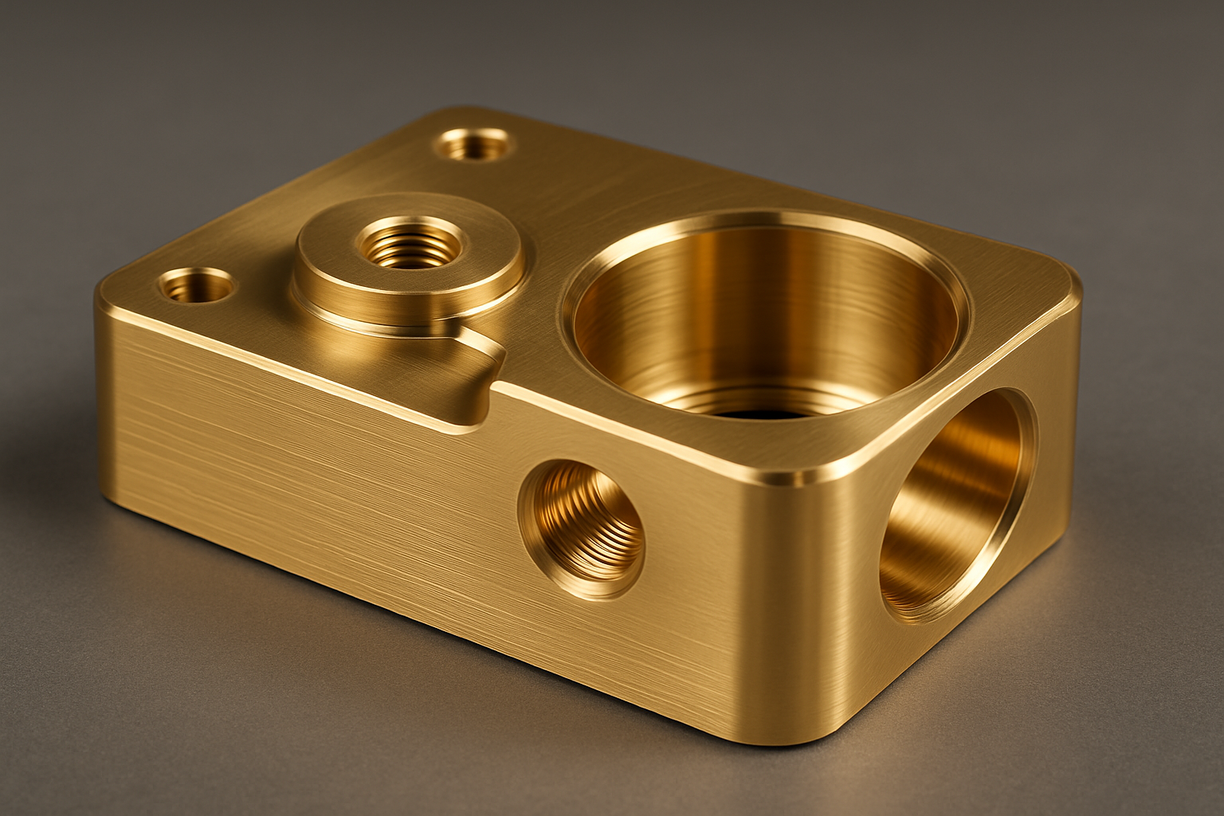
High machinability and conductivity—often used for fittings, terminals, and valve components.
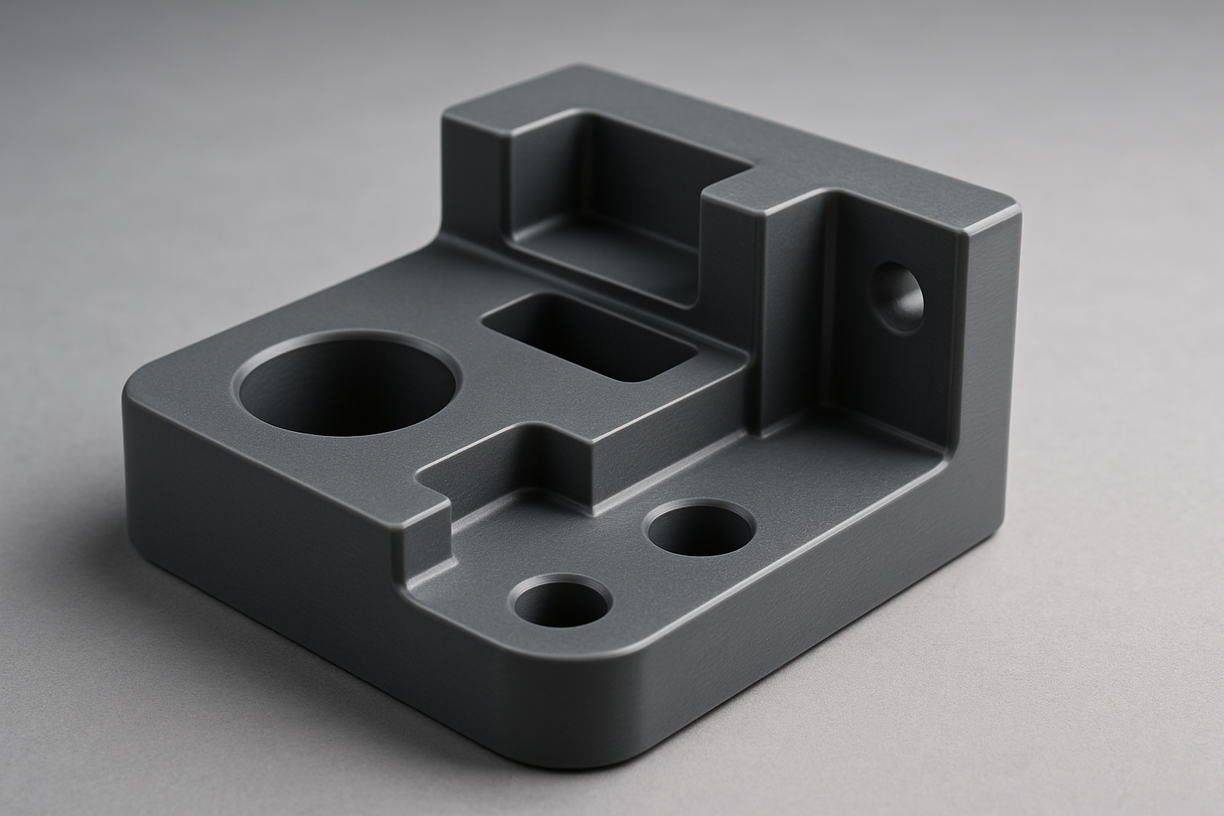
Engineering plastics for insulation, wear resistance, and lightweight structures.
Choosing a CNC supplier is a risk decision: CTQs, lead time, and inspection evidence must be reliable. We reduce buyer risk with drawing review (DFM), traceable materials, and verifiable inspection deliverables.
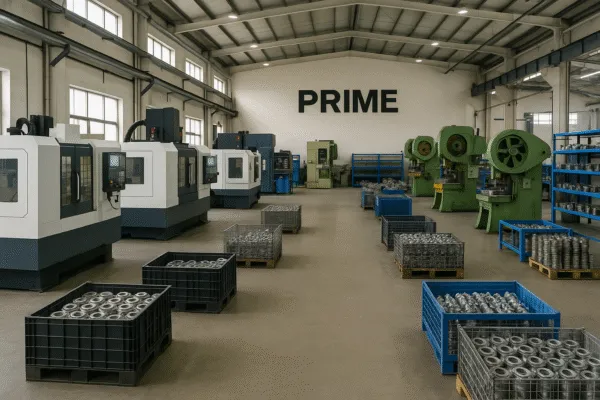
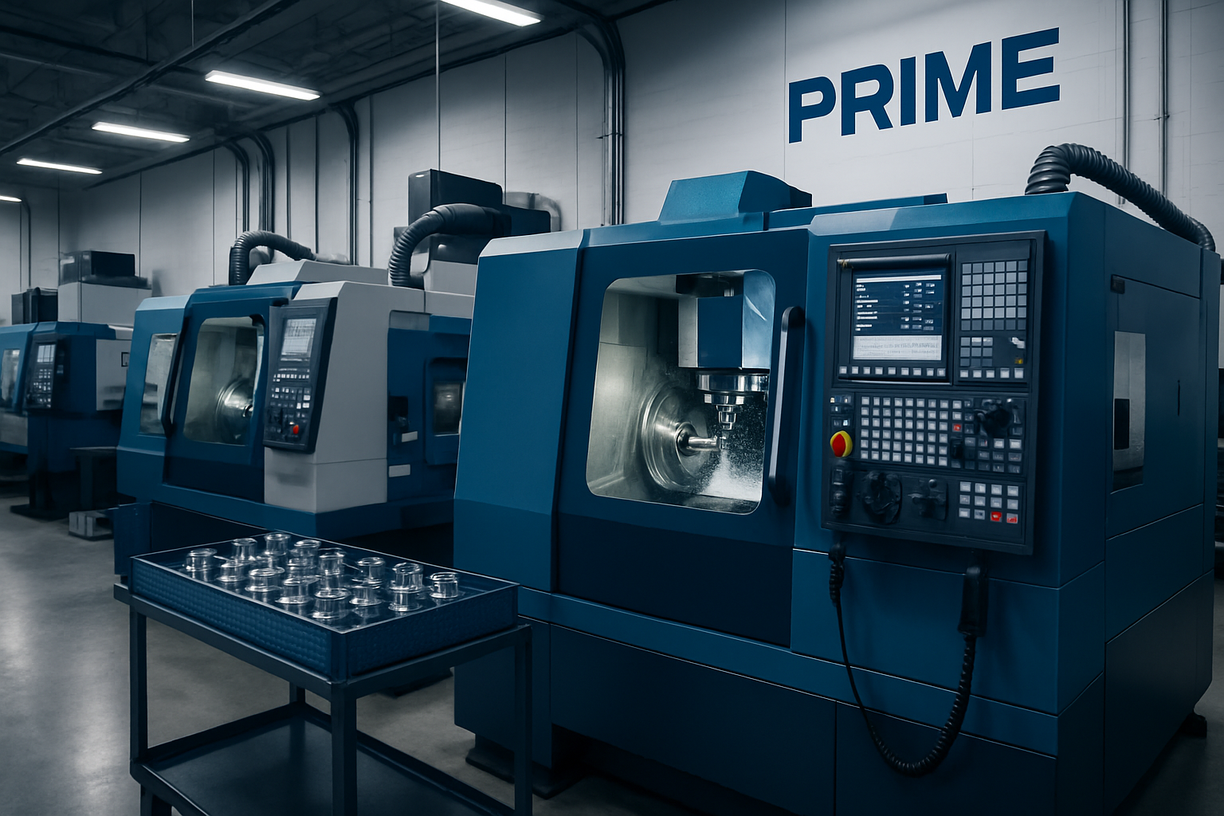
Upload drawings and requirements. With complete RFQ info, we typically respond within 24 hours.
For tight CTQs, special materials, or surface finishes, we confirm the inspection plan and timeline before production.
Note: final capability and delivery timeline are confirmed after drawing review and CTQ definition.
To further assist our customers and provide comprehensive information, we have compiled a list of frequently asked questions about CNC parts and our services. Our goal is to solve common problems and provide clear, concise answers that will give you knowledge and confidence in your purchasing decisions, directly addressing the pain points of poor communication and lack of clarity.
Prime's CNC machining supports precision up to ± 0.005 mm and is suitable for industrial parts where fit is highly desired. We are equipped with coordinate measuring machine (CMM) , altimeter, roughness tester and other advanced testing equipment, each batch of products are strictly according to the drawing inspection, and provide a complete size report and test records, to ensure that the customer assembly error-free, reliable operation.
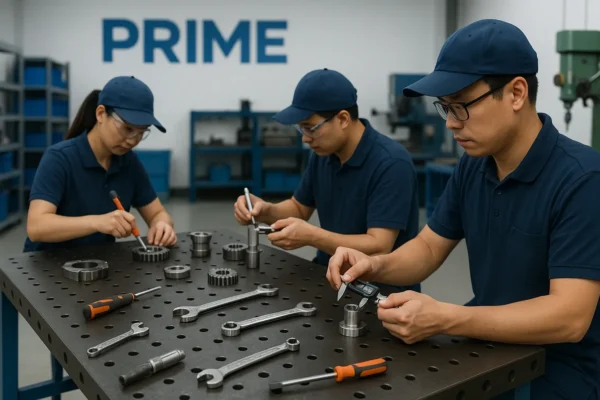
Of course. We are good at customized according to customer drawings of various complex geometry or difficult structure parts, including special-shaped cavity, thin-walled components, curved surface fit, etc. . With a 5-axis machining center and a team of engineers with more than 10 years of experience, PRIME can assist in the whole process from design review, machining scheme to finished product delivery, and can provide DFM optimization suggestions, ensure that the design is both functional and easy to manufacture.
We support CNC machining of a wide range of metals and engineering plastics, including aluminum (e. g. 6061,7075) , stainless steel (304,316) , carbon steel, copper, brass, and plastics such as POM and PTFE . All raw materials are sourced from traceable sources and can be certified on request, such as EN102043.1 certificates or RoHS, REACH and other environmental compliance documents to help customers ensure compliance and quality stability throughout the supply chain.
Of course. Our engineering team has extensive experience in product Design for manufacturability (DFM) and is able to assist customers in the early stages of a project to evaluate the drawing structure and make recommendations that are more suitable for processing, reducing costs or improving performance. We support collaborative development to help customers optimize material selection, wall thickness, chamfering, processing path and other details without sacrificing functionality to achieve higher manufacturing efficiency and better use results.
We have established a strict quality management system, has passed the ISO 9001 certification, and the implementation of the first confirmation, process inspection, final sampling and other multiple process control. Each process has a SOP and testing requirements, batch products before shipment unified testing and accompanied by size reports to ensure that the critical dimensions and tolerances are stable and consistent, to meet the quality requirements of long-term batch supply.
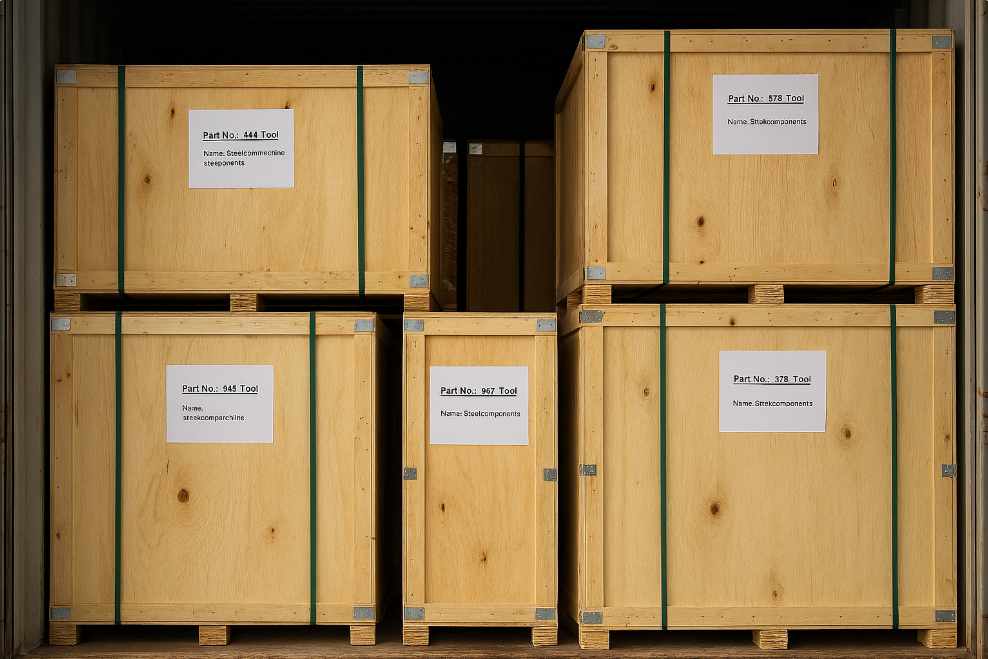
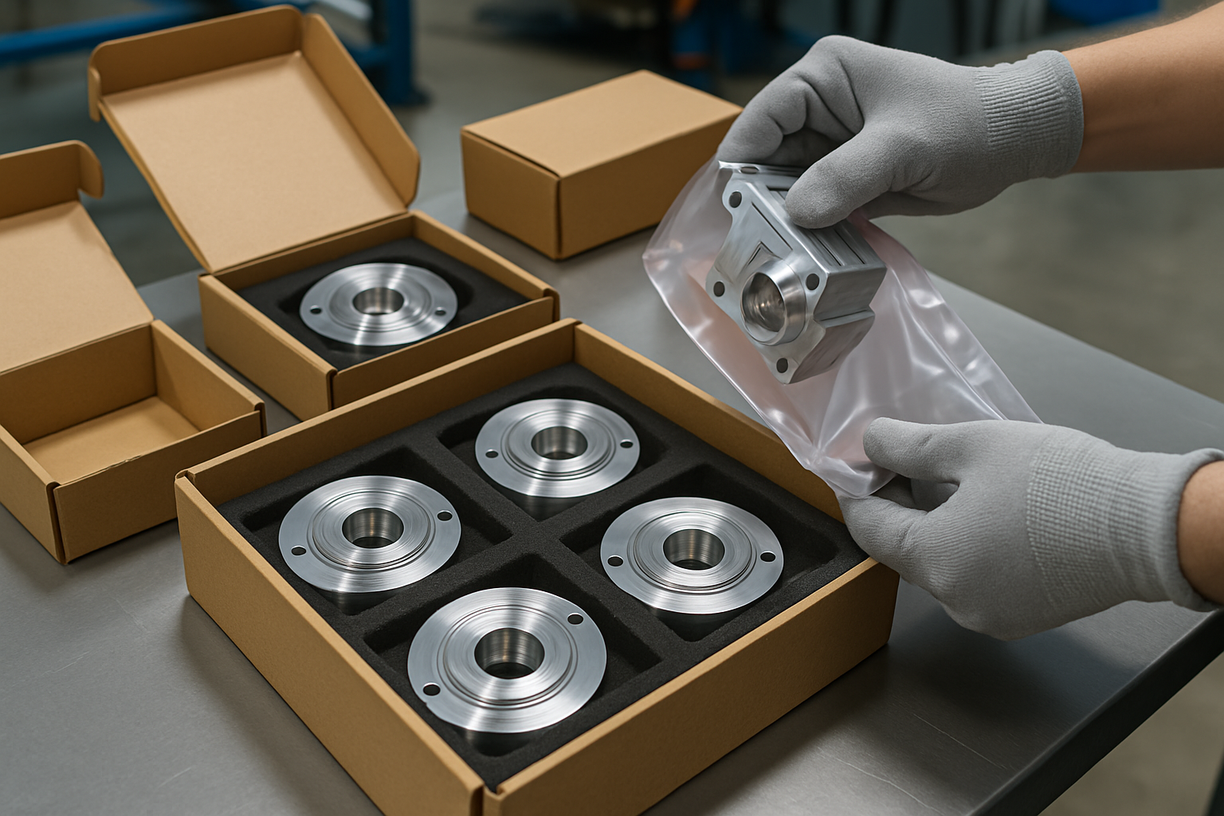
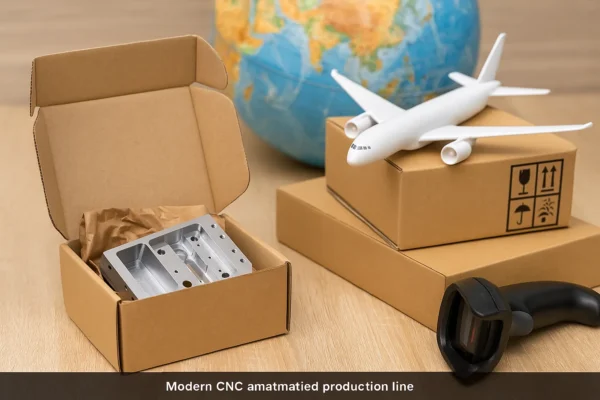
Yes, PRIME has more than 20 years of export experience, customers in Europe and the United States, the Middle East, Australia and other places. We use multi-layer protective packing, including rust-proof oil, bubble wrap, moisture-proof bags, foam, cartons and wooden cases, etc. , to ensure that the products are moisture-proof, collision-proof and damage-free during long-distance transportation. At the same time support FOB, CIF, DDP and other international trade terms, and assist in the preparation of customs clearance documents to ensure that customers receive worry-free.
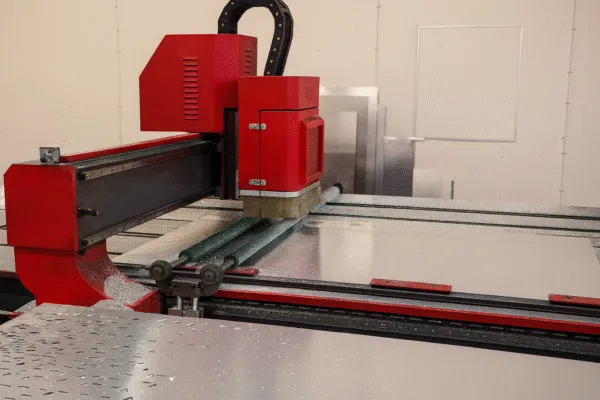
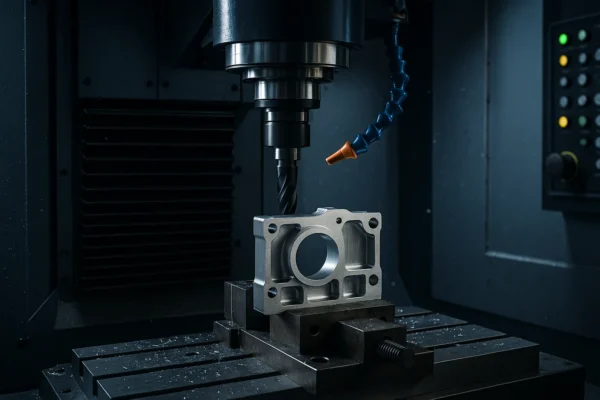
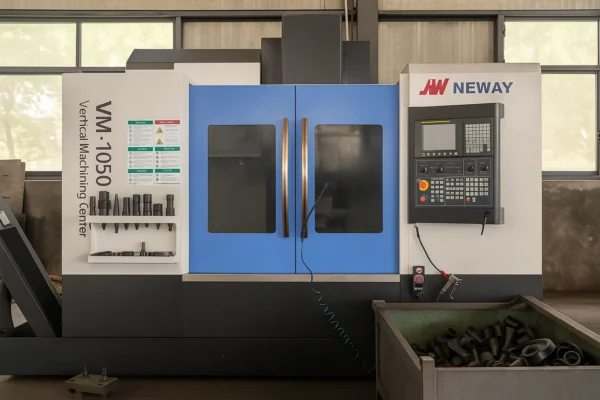
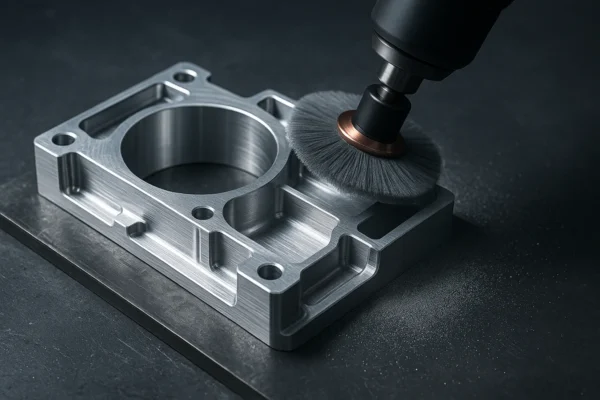
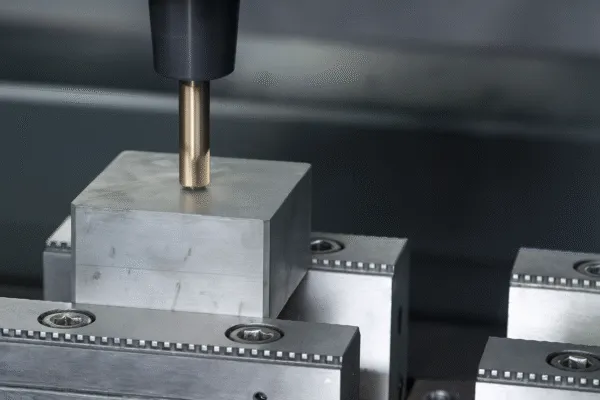
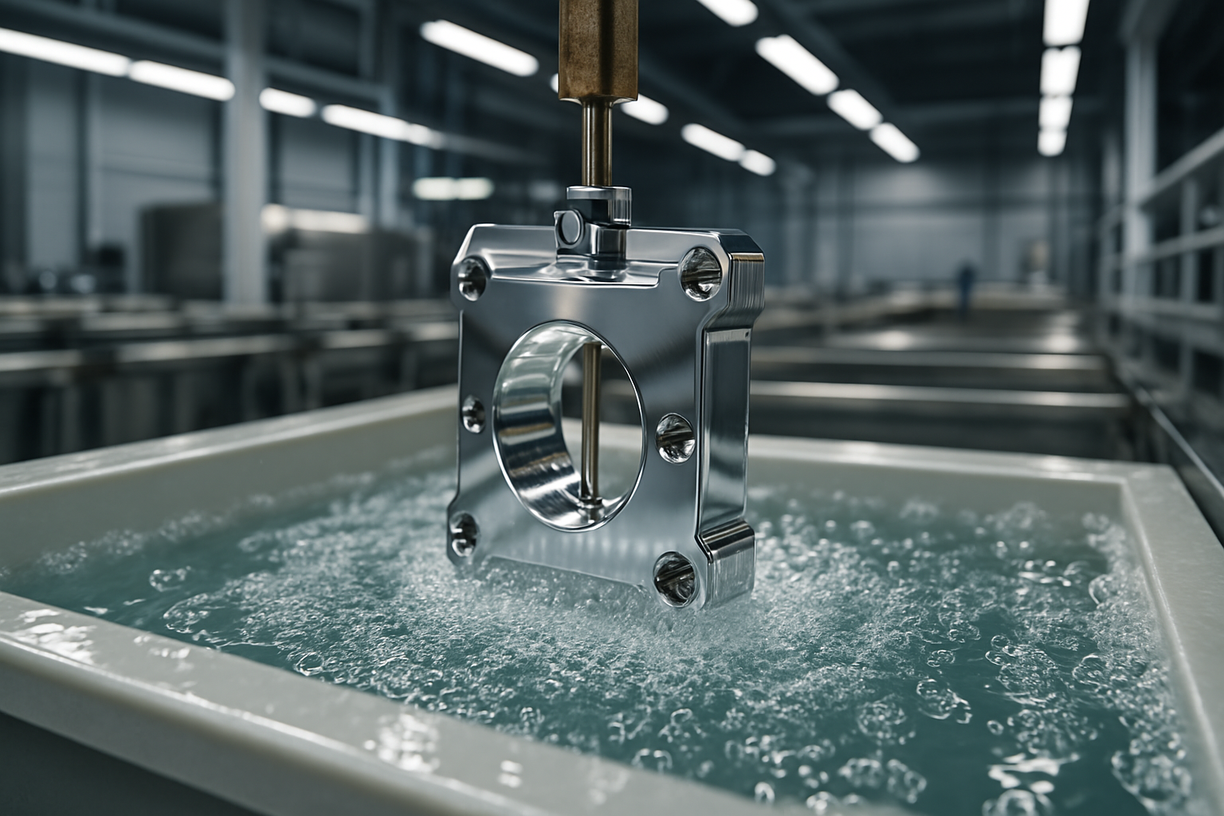
A CNC machined part is a precision component produced by computer-controlled tools that remove material from a solid block (blank/workpiece) to create the required geometry. CNC programs control milling, turning, drilling, and other operations to deliver repeatable dimensions, finishes, and functional features.
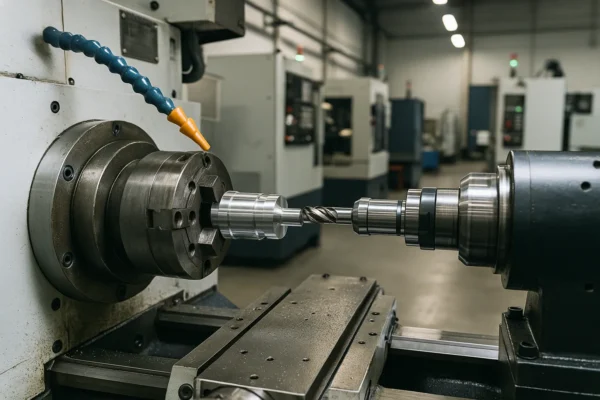
CNC machining is widely used for both simple and highly complex parts with tight tolerances. It supports a broad range of metals and plastics and is ideal for rapid prototyping, low-to-medium volume production, and functional end-use components where reliability and dimensional control matter.
Best for
CTQ features
Volumes
Proto → mid
Strength
3D complexity
CNC machining can support very tight tolerances when the part design, material, fixturing, and inspection method are aligned. Actual capability depends on geometry and measurement method (gauge/CMM), and is confirmed by your CTQs during RFQ/DFM.
Common materials include aluminum, stainless steel, brass, titanium, and engineering plastics (e.g., POM, PEEK). Selection depends on mechanical, thermal, corrosion, and cosmetic requirements.
Multi-axis CNC supports 3D contours, pockets, threads, undercuts, and mixed feature sets—useful when parts can’t be made efficiently with forming or casting alone.
From one-off prototypes to repeat production, CNC avoids mold/die investment and allows fast design iteration—especially valuable when revisions are likely.
Buyer note:
Don’t buy “tolerance claims” in a vacuum. Ask how CTQs will be measured (gauge/CMM), what fixturing is planned, and what inspection record you’ll receive (FAI/CMM/CoC as required).
Milling
Rotating cutters remove material from flat/contoured surfaces (3-, 4-, or 5-axis).
Turning
Workpiece rotates while tooling shapes cylindrical/conical forms (shafts, bushings).
Drilling / Boring
Creates holes and refines them to higher accuracy and surface quality.
Tapping / Thread Milling
Produces internal/external threads; thread milling supports better chip evacuation and control.
Structural components, mounts, housings, and fittings where verification and consistency matter.
Instruments, implants, and enclosures where material control and clean finishes are required.
Prototype and production components, fixtures, and precision parts that support performance and reliability.
Housings, connectors, heat sinks, and precision interfaces for telecom and control systems.
Shafts, brackets, bearing seats, custom fixtures, and automation components with stable fit requirements.
Whether you’re sourcing CNC machined parts for the first time or re-qualifying a supplier, this section explains how CNC works, which machining method fits your part, and what verification outputs you can request during RFQ.
CNC machining is a practical choice when you need controlled CTQs, repeatable geometry, and the flexibility to handle revisions. At PRIME, we focus on making purchasing predictable: clear process selection, defined inspection approach, and documentation options aligned to your requirements.
Best for
CTQ features
Volumes
Proto → mid
Strength
3D complexity
Buyer-proof options: FAI/CMM report (CTQs), material certs (MTR/CoC when required), and inspection records per agreed scope.
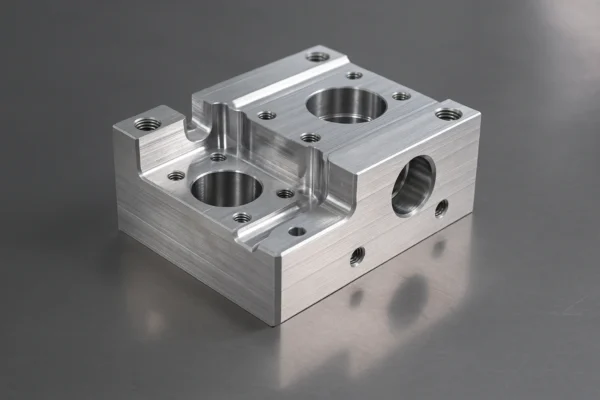
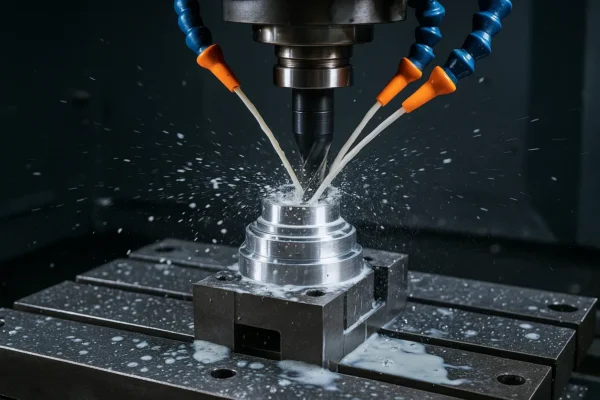
CNC (Computer Numerical Control) machining is a subtractive process: programmed tool paths remove material from a solid workpiece to create precision features. CNC milling, turning, drilling, and threading can produce complex components with consistent results—especially in prototypes and low-to-medium volume production.
What matters in purchasing (and what we align early):
There is no single “best” CNC method. The best choice depends on geometry, CTQs, material behavior, and lot size. Below are the core CNC processes we use—and the buyer-relevant reasons to pick each one.
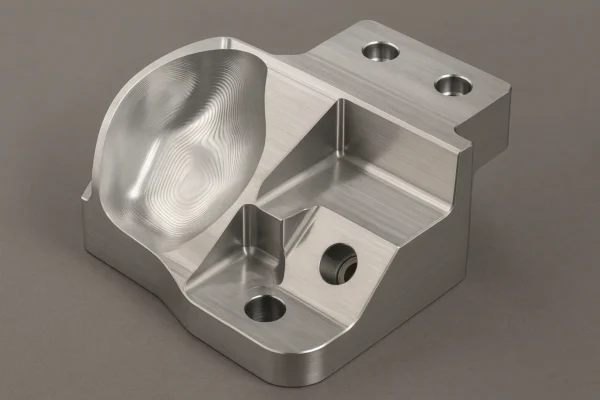
Best for: flats, pockets, slots, bosses, and 3D contours—common in housings, brackets, fixtures, and structural components. Multi-axis setups reduce re-clamping and help keep datums consistent.
What you can verify (typical):
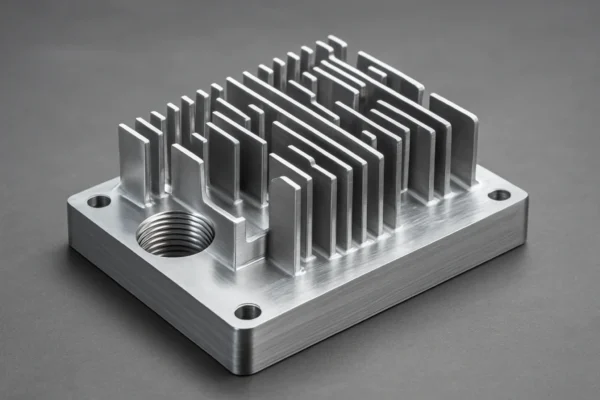
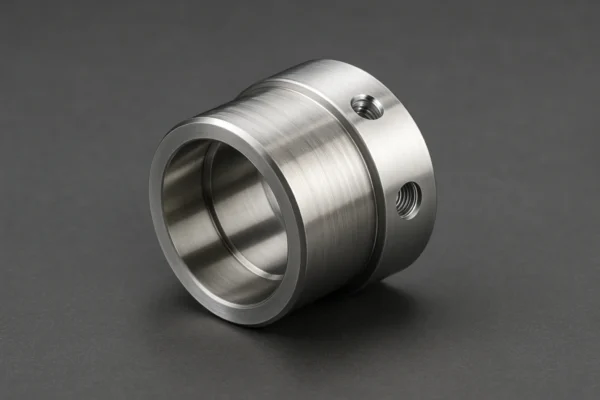
Best for: shafts, bushings, spacers, collars, and threaded cylindrical parts. Live tooling can combine turning + drilling + milling features to reduce handling and keep concentricity stable.
What you can verify (typical):
Best for: multi-surface parts with angled features, compound contours, and hard-to-reach faces. 5-axis reduces re-clamping and can improve consistency when many faces reference the same datum strategy.
Note: Final tolerance capability depends on geometry, material, fixturing, and inspection method. CTQs are confirmed by drawing during RFQ/DFM.
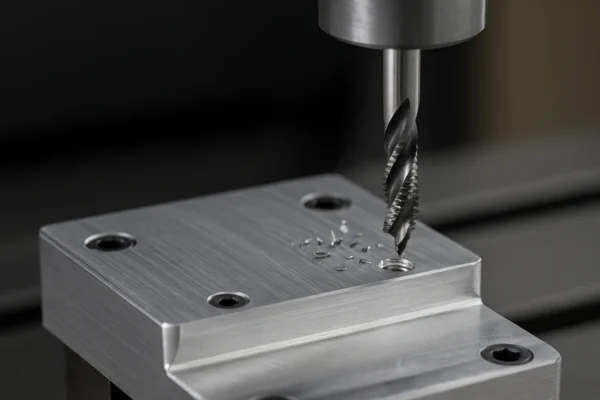
Best for: assembly-critical holes and threads where positional accuracy and thread integrity matter. We support metric/imperial thread standards and confirm acceptance criteria (thread gauges, torque/fit expectations) when specified.
To recommend the most efficient machining route, share your quantity, material spec, and CTQ tolerances early. This helps us choose the best setup strategy and inspection method—and prevents surprises after quoting.
Fastest RFQ inputs:
Material choice drives more than strength. It impacts machinability, tool wear, achievable surface finish, corrosion behavior, and the documents you may need for compliance. At PRIME, we recommend materials based on your CTQs, environment, and production plan—then align traceability options (MTR/CoC) when required.
Best starting point
Define CTQs + environment
Fit/seal/contact? Outdoor corrosion? Heat? These decide the shortest list of viable materials fast.
Machining reality
Tool wear + cycle time
Titanium and some stainless grades can be excellent materials—but require the right strategy to keep cost predictable.
Compliance / audits
Traceability options
When required, we align MTR/CoC, lot/heat tracking, and record expectations during RFQ/PO.
| Material | Machinability | Strength (MPa) | Surface Finish | Typical Applications |
|---|---|---|---|---|
| Aluminum 6061 | Excellent | 260–280 (typical) | Smooth, matte or polished | Enclosures, brackets, electronics housings |
| Stainless Steel 304 | Moderate | 480–510 (typical) | Bright, corrosion-resistant | Medical devices, fasteners, machinery parts |
| Brass C360 | Very High | 330–360 (typical) | Mirror-like, decorative | Valves, decorative hardware, sensor housings |
| Titanium Grade 5 | Low | 880–910 (typical) | Matte, biocompatible | Aerospace, implants, high-stress parts |
| POM (Delrin) | Excellent | 65–75 (typical) | Glossy, low friction | Gears, bushings, precision plastic components |
Note: Values vary by standard/condition/temper and part geometry. Final selection is confirmed by your specification and application requirements.
We don’t just machine parts—we help you choose a material that is manufacturable, verifiable, and cost-stable. Below are the typical support areas buyers care about: certification, DFM notes, and total cost drivers.
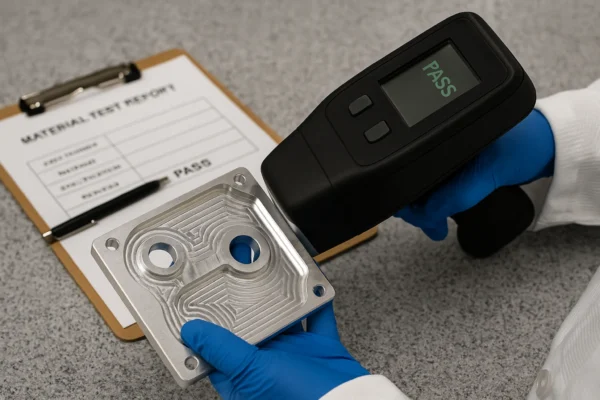
We align material documentation to your requirement: alloy/grade confirmation, mechanical properties, and traceability terms. When required, we support MTR/CoC and lot/heat tracking—so audits and receiving verification are easier.
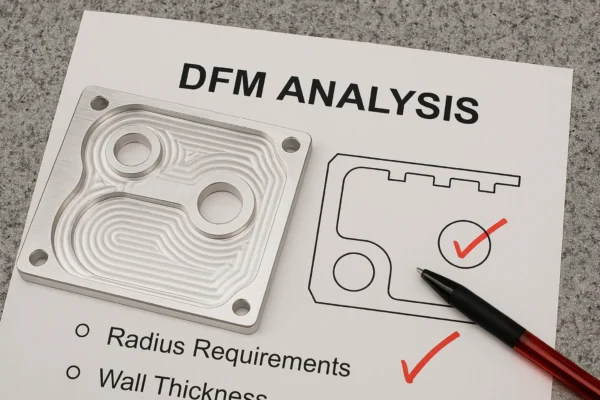
We review material behavior and geometry together: thin walls, deep pockets, sharp internal corners, and tight tolerances that increase deformation risk. You receive actionable suggestions (fillets, wall thickness, datum strategy, tolerance focus) that improve stability and reduce waste.

We consider more than raw material price: machining speed, tool wear, finishing requirements, and post-processing compatibility. This helps you avoid “cheap material, expensive part” outcomes and keep long-run cost predictable.
Finishing is not “cosmetics only”. It affects corrosion life, wear, electrical contact, sealing surfaces, and appearance. To keep expectations clear, PRIME aligns finish type, thickness, masking zones, and appearance grade during RFQ—and can support verification (thickness checks, salt spray reports, CoC) when required.
To avoid finishing disputes, we typically confirm:
Improves corrosion/wear resistance; clear or dyed colors. Thickness and appearance grade confirmed by spec.
Corrosion and hardness improvement. Thickness and salt spray targets aligned during RFQ.
Tough, UV-resistant finish; color by RAL/PANTONE when specified. Masking zones defined up front.
Uniform matte texture; reduces glare and improves coating adhesion. Surface target confirmed by sample/spec.
Enhances corrosion resistance; useful for medical/food equipment. Process type confirmed by requirement.
Removes sharp edges and tool marks. Edge condition aligned to drawing (chamfer/max burr).
Note: Final finish selection and verification method depend on material, geometry, and your acceptance criteria.
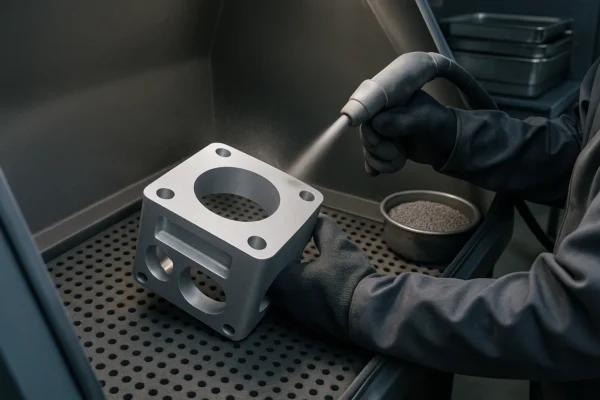
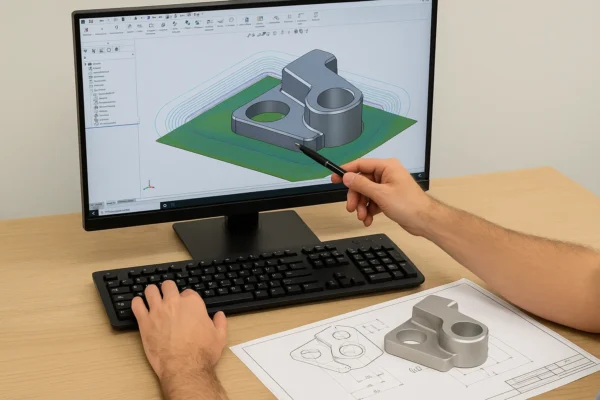
Precision comes from repeatable setups. PRIME combines CAD/CAM programming with fixture strategy to reduce setups, prevent movement, and keep datums consistent—especially for multi-face machining and tight CTQs.
What we control before the first cut:
Note: Final capability depends on geometry, material behavior, and agreed inspection method.
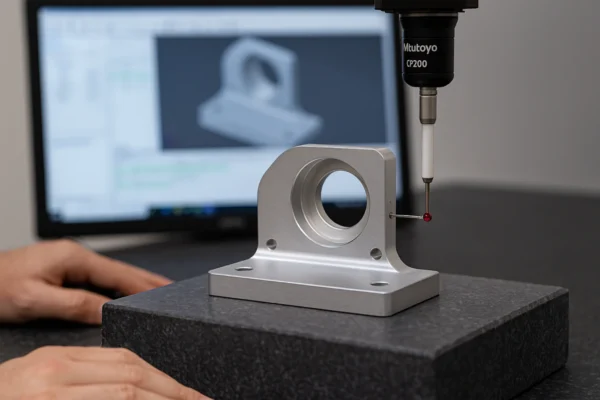
Quality is built in, not inspected in at the end. PRIME controls incoming material, monitors critical operations, and verifies CTQs with defined measurement methods—so deviations are found early and acceptance is evidence-based.
Quality controls we commonly apply:
Buyer-friendly outputs (as required): FAI / CMM report, material documents (MTR/CoC options), and inspection records tied to lot/PO for traceability.
Note: “100% inspection,” CMM scope, and document package depend on part risk level and what you specify in the RFQ/PO.
CNC machining is highly repeatable—but defects still happen when tooling, fixturing, heat, or inspection discipline is weak. PRIME reduces risk with DFM + toolpath simulation, stable datum/fixture design, in-process probing, and CTQ-focused inspection—so issues are caught early, not after assembly.
What we typically lock down before production:
What it is: visible toolpath lines, rough patches, or inconsistent texture—often from tool wear, wrong step-over, poor chip evacuation, or incorrect finishing strategy.
PRIME prevention: tool-life control + optimized finishing passes (step-over/strategy), correct tooling/coatings, coolant/chip control, and optional post-finish (bead blast/polish) when specified.
What it is: features miss tolerance due to thermal growth, machine variation, tool deflection, or clamping distortion—often showing up on thin walls, deep pockets, or long-reach tools.
PRIME prevention: CTQ-first process planning, stable fixturing, in-process probing (critical datums/features), controlled tool deflection strategies, and CMM/fixture gauge verification per agreed scope.
Note: Final tolerance capability depends on geometry/material and is confirmed by drawing CTQs and measurement method—not a generic number.
What it is: burrs from drilling, slotting, and edge breakouts; sharp edges that create safety and assembly risks.
PRIME prevention: burr-aware toolpath choice, correct tool geometry, controlled entry/exit, and defined edge treatment (break-edge/chamfer/deburr) matched to your drawing notes and acceptance criteria.
What it is: wave patterns or scalloping from unstable cutting—commonly caused by resonance, long tool stick-out, poor support, or aggressive parameters.
PRIME prevention: rigid fixturing, stable tool selection (shorter stick-out / damped holders), optimized feeds/speeds and engagement, and machining strategy changes (adaptive roughing, rest finishing) to avoid resonance zones.
What it is: mismatch between faces after re-clamping—datum shift, rotation error, or stack-up that breaks true position, flatness, or assembly alignment.
PRIME prevention: datum strategy locked early, custom fixtures/jigs, probing to re-zero on functional datums, and 4/5-axis machining when it reduces setups and improves alignment.
We support fast containment and root-cause correction when required (NCR/8D-style), including defect photos, cause analysis, corrective actions, and follow-up verification—so your production risk stays controlled.
To speed up: include drawing revision, CTQs, material/finish spec, quantity, and any cosmetic/edge requirements.
CNC machined components power high-performance products across many industries. What buyers usually care about is the same: CTQ dimensional stability, surface/edge requirements, material traceability, and repeatable delivery. At PRIME, we provide machining-ready solutions backed by defined datums, process control, and verification outputs you can review.
Buyer Priority
CTQ control to datums
Buyer Priority
Surface/edge compliance
Buyer Priority
Traceability options
Buyer Priority
Repeat-order stability
Verification options (as requested): FAI/CMM report, material documents (MTR/CoC), process checkpoints, and defined packaging protection for cosmetic or precision surfaces.
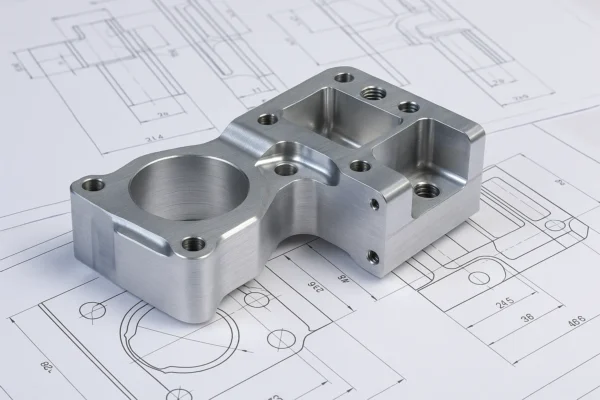
Typical buyer focus: repeatable CTQs, stable datums, and lot-to-lot consistency for assembly lines.
PRIME support: CNC-turned shafts, housings, brackets, and drivetrain/thermal components with CTQ checkpoints defined from your drawing.
Verification options: FAI/CMM for CTQs, gauge checks where suitable, CoC and traceability terms per PO.
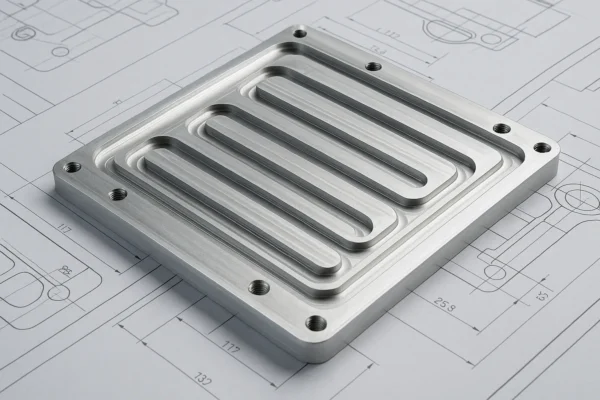
Typical buyer focus: flatness, sealing faces, thermal performance, and vibration robustness.
PRIME support: cooling plates, battery cases, inverter frames—machined with controlled datums and surface requirements aligned to sealing/assembly functions.
Verification options: flatness/position CTQ reports, surface/finish confirmation per requirement, CoC per PO.
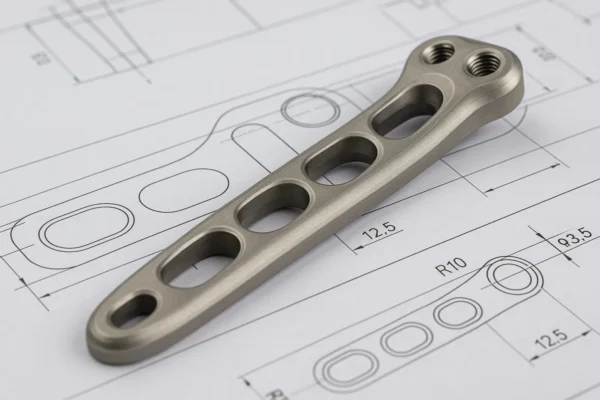
Typical buyer focus: edge safety, cleanliness expectations, and documentation/traceability.
PRIME support: titanium/stainless components and fixtures with defined surface/edge requirements (break-edge, Ra targets if specified) and controlled process routing.
Verification options: FAI/CMM (as requested), surface requirement alignment, MTR/CoC options per requirement.
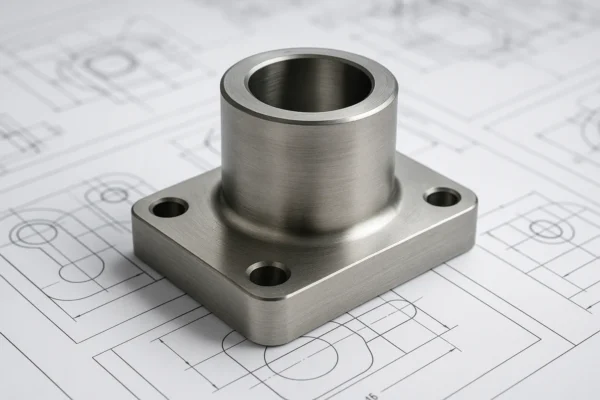
Typical buyer focus: corrosion resistance, sealing integrity, and dimensional stability over time.
PRIME support: 316L/duplex stainless parts for pumps, shafts, flanges, and connectors—finishing and protection matched to exposure requirements.
Verification options: CMM for critical geometry, material confirmation per spec, coating/passivation records when required.
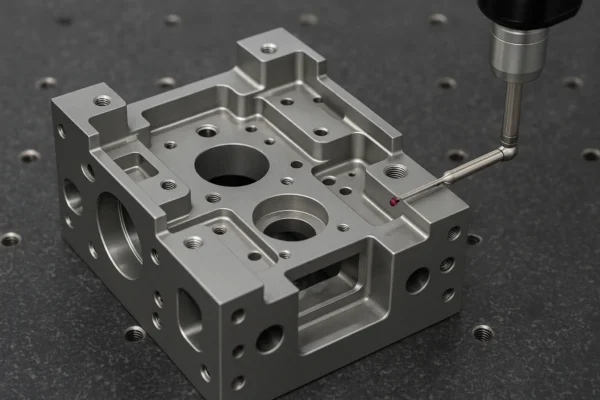
Typical buyer focus: tolerance capability, measurement method clarity, and repeatability across lots.
PRIME support: tight-tolerance components in aluminum, brass, and engineering plastics—process planned around functional datums and inspection feasibility.
Verification options: CTQ CMM reports, gauge plans where applicable, controlled revision and record linkage per shipment.
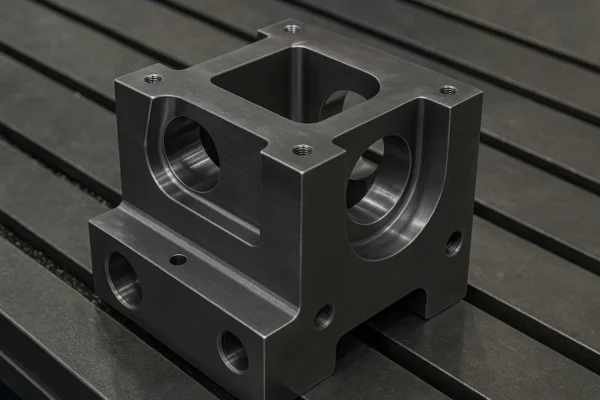
Typical buyer focus: wear performance, fit with mating parts, and stable lead time for repeat orders.
PRIME support: hardened steel parts, fixture plates, bushings, cams, and custom tooling components with post-treatment options when required.
Verification options: critical fit/position reports, heat-treatment/finish confirmation per spec, CoC per PO.
From EV thermal components to corrosion-resistant marine parts—PRIME delivers CNC solutions built around CTQs, datums, and verifiable inspection outputs.
Have a specialized requirement? Send your drawing revision and CTQ list. We’ll recommend a machining route and inspection approach with clear assumptions.
Send Drawing for Application ReviewTo speed up: include material/temper, finish requirement, CTQ list, quantity plan, and any cosmetic/edge requirements.
Choosing a CNC supplier is a risk decision, not just a price decision. Use the checklist below to verify capability, CTQ control, documentation, and delivery reliability—with evidence you can review before placing a PO.
Fastest way to qualify any CNC supplier:
Tip: Ask for examples of typical tolerance/finish capability for similar features (and how they measure it).
Tip: Ask to review a masked CMM/FAI report and how they link results to revision + lot.
Tip: Ask for a masked “before/after” case where DFM reduced cost or prevented a defect.
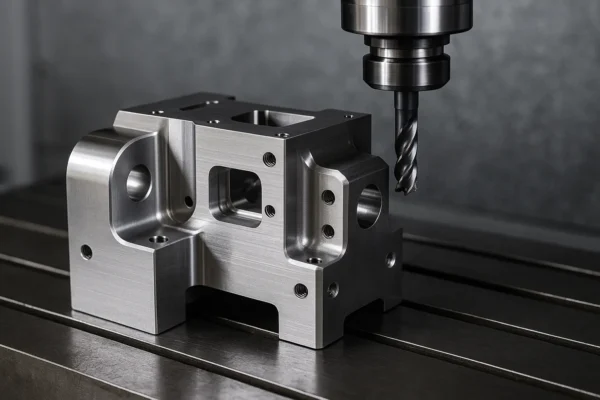
Tip: Ask how on-time delivery is measured (definition + period) and whether records can be shared.
Tip: Ask how they confirm datums/CTQs and what they need to avoid assumptions.
Tip: Define cosmetic A-side/B-side early so inspection + packaging match expectations.
Want to evaluate PRIME using this checklist?
Send your drawing revision and CTQ list. We’ll reply with DFM notes (risk + countermeasures), a recommended machining route, and a quote with clear assumptions (material/finish/inspection/packaging).
Include: CTQs/GD&T, material & finish spec, quantity plan, and any cosmetic/edge requirements.
Send your drawing + CTQs. Get actionable DFM notes, machining route recommendation, and an inspection approach—before you lock in cost and lead time.
What is DFM? In CNC machining, DFM is an engineering review that identifies risk points and cost drivers early—so your part can be machined with predictable CTQ control, reasonable cycle time, and repeatable quality.
At PRIME, DFM is not generic advice. We return clear deliverables you can use to approve the machining approach, reduce rework, and avoid surprise lead-time drivers.
What you receive from our CNC DFM (typical outputs):
Buyer concern: “My part has tight tolerances and complex features. I’m worried about machining time, scrap, and expensive rework. How can I make sure this design is CNC-friendly and scalable?”
We review your 2D drawing + 3D model (if available) and flag issues before production: undercuts, tool access limits, deep cavities, thin walls, and tolerance stacks that drive extra setups or scrap.
To complete DFM faster, please include:
DFM saves cost when it prevents extra setups, scrap, and rework. By aligning machining route, CTQ control, and verification approach early, you shorten the path from drawing to stable production.
Lower risk • Clear assumptions • Faster validation
For the fastest response: include revision, CTQs/GD&T, material/finish, quantity plan, and cosmetic requirements.
When sourcing metal components, the key decision is often “stamp or machine?” The right choice depends on CTQs, geometry, volume, material, finish, and lead-time risk—not just unit price. Because PRIME supports both stamping and CNC machining, we can recommend the process based on engineering feasibility and verification needs.
Choose stamping when
Volume is medium-to-high, the part is mostly sheet geometry (profiles/bends/forms), and repeatability at scale matters.
Choose CNC machining when
Volume is low/variable, the part has complex 3D features, tight GD&T, or revisions are frequent.
Choose hybrid when
Cost is best by stamping a near-net blank, then CNC finishing only the CTQ features that truly need machining.
Metal stamping forms sheet/coil using engineered dies and controlled press force. It shines when your geometry fits stamping and you need stable output at scale—with a clear CTQ definition and inspection method.
Buyer risk checks (what we confirm in DFM/RFQ):
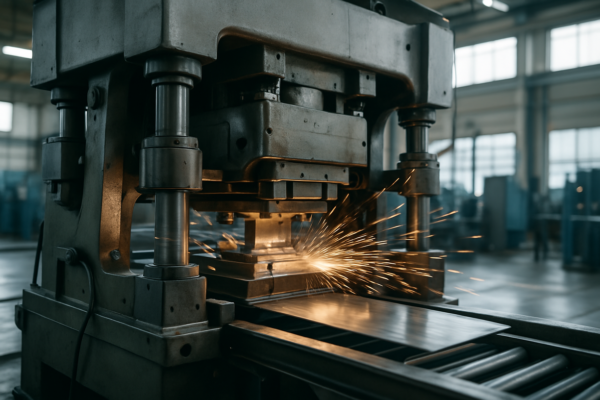
Brackets and panels, housings and shields, appliance/HVAC sheet components, clips, mounts, formed parts with bends/holes, and high-volume repeatable programs.
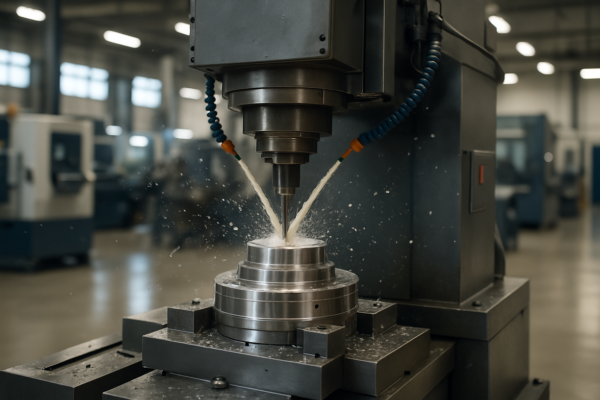
CNC machining removes material from solid stock to produce precise features and complex geometry. It’s ideal for prototypes, high-mix programs, and parts that need tight positional control, pockets/contours, or frequent design updates.
Where CNC can become expensive:
Precision custom parts, prototypes, complex 3D brackets/housings, parts with internal channels, and low-to-medium volume programs with design iteration.
For many parts, the best solution is stamp a near-net blank for cost and throughput, then CNC-machine only the CTQ features (precision bores, threads, datum faces). This reduces unit cost while keeping verification unambiguous.
| Feature | Metal Stamping | CNC Machining |
|---|---|---|
| Best volume range | Medium to high / mass production | Prototype to low/medium volume |
| Geometry fit | Sheet parts: profiles, holes, bends, formed features | Complex 3D features, pockets/contours, multi-face parts |
| Upfront investment | Higher (dies/tooling + tryouts) | Lower (programming + fixturing) |
| Unit cost trend | Drops significantly as volume increases | Higher at high volume due to cycle time |
| Lead time drivers | Tool design/tryout + approval loop | Programming/fixturing + setup |
| Material form | Sheet/coil (range depends on grade/thickness) | Wide range (bar/plate/block) |
| Tolerance approach | Confirmed by CTQs + forming reality + gauge/CMM plan | Confirmed by CTQs + setup strategy + CMM/gauges |
| Best when buyer wants | Stable repeatability and throughput | Flexibility, 3D complexity, and revision agility |
Note: Capability varies by geometry, material, feature type, and inspection method. We confirm feasibility and propose a verification plan during RFQ/DFM.
We don’t push one method. We recommend the lowest-risk manufacturing path based on your drawing, CTQs, volume plan, and inspection expectations. For some programs, that’s stamping. For others, CNC. Often, it’s a hybrid.
Send your drawing revision, CTQs/GD&T, material/finish requirements, and expected volume. We’ll reply with a recommended process and clear assumptions (process + inspection + lead-time drivers).
To speed up: include CTQ list, annual volume/forecast, finish requirements, and whether design changes are likely.
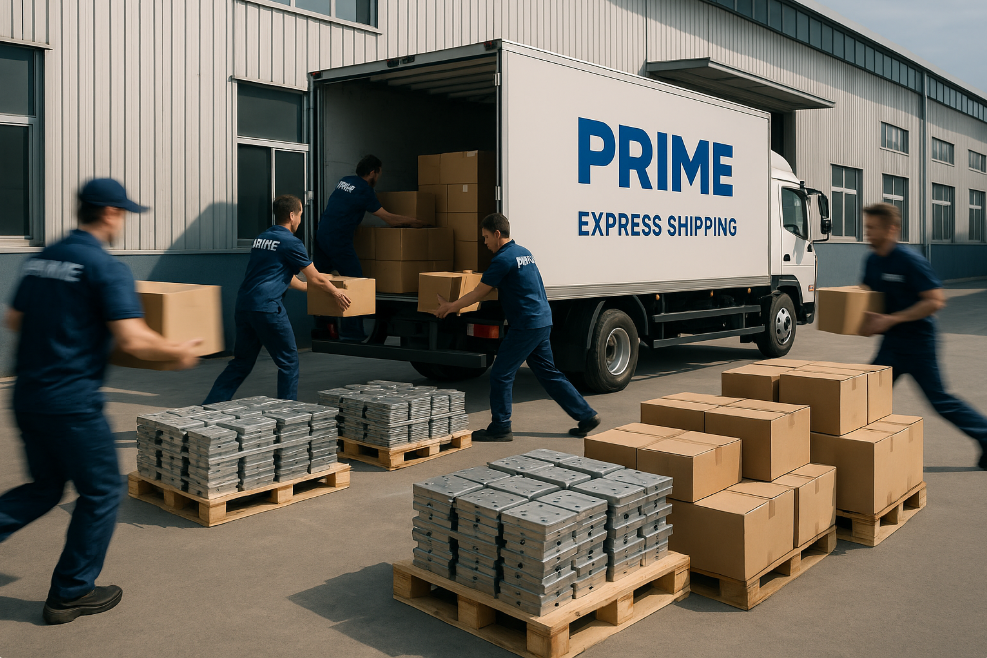
For international B2B buyers, logistics risk is real: customs delays, missing paperwork, damage in transit, and unexpected fees. PRIME reduces those risks with export-ready documentation, packaging protection, and proactive communication aligned to your Incoterms and destination requirements.
“How can I ensure parts arrive on time without customs delays, shipment damage, or hidden costs?”
We support more than production. For each shipment, we align logistics terms and deliverables clearly—so you know what documents, packaging, and communication you will receive before goods leave the factory.
To avoid delays, we typically confirm in RFQ/PO:
Note: Importer/broker may require final confirmation of HS code and local rules. We cooperate fully with broker instructions.

We support different shipping routes based on urgency, budget, and destination—and we state assumptions clearly (production + packing + transit estimate).
Air Freight
Fast delivery for urgent schedules and higher-value parts.
Ocean Freight (FCL/LCL)
Cost-efficient for bulk shipments and stable schedules.
Multimodal
Balanced option when you need a compromise on speed and cost.
You receive shipment updates and key milestones (ready date, dispatch date, document confirmation). If a delay risk appears (carrier schedule, port congestion, inspection hold), we notify you early with mitigation options.
Tip: For cosmetic parts, define A-side/B-side and acceptable defect limits so packaging and inspection align.
For recurring programs, we can discuss staged shipments, safety stock planning, and packaging standardization to reduce line-stop risk and smooth volume fluctuations.
Availability depends on product type, forecast stability, and agreed commercial terms.
Send your destination, Incoterms, and packaging requirements with the RFQ. We’ll confirm the document package and shipping assumptions clearly—so your delivery risk stays controlled.
Include: destination, Incoterms, carton/pallet requirements, labeling format, and whether anti-rust packaging is needed.
In the world of custom CNC machining, innovation only matters when it reduces risk and improves outcomes: fewer iterations, stable tolerances, better yield, and faster ramp-up. At PRIME, our R&D work focuses on material validation, machining excellence, and practical digitalization—so you can move faster from concept to reliable production.
Buyer Concern
Will this supplier adapt to new materials, complex geometries, and evolving tolerances? Can they keep up with next-generation product requirements?
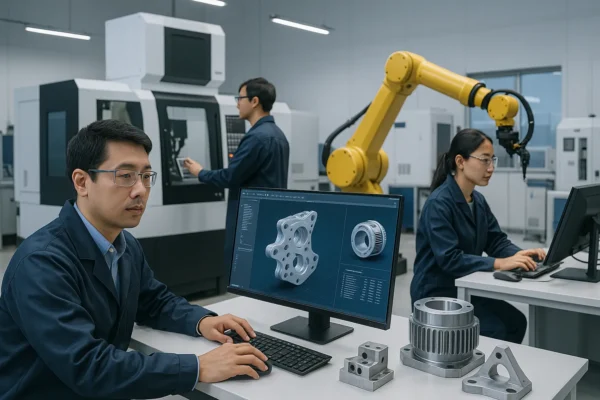
Engineering-led development: DFM → trials → verification → scalable production.
We validate advanced metals & plastics (e.g., titanium, Inconel, PEEK) for real-world performance: thermal behavior, wear, corrosion, and stability under tight tolerances—so selection is based on evidence, not assumptions.
The biggest lever is yield: less scrap and fewer reworks. We improve stability via better process windows, smarter stock choice, and reduced damage risk—helping align with ESG targets without compromising quality.
From DFM consulting to small-batch validation, we work with your engineers to convert concepts into production-ready parts. When revisions or CTQs change, we follow controlled change management to keep output stable and traceable.
Our R&D is built around practical outcomes: predictable tolerances, stable cycle time, lower scrap, and faster validation. We’d rather show clear assumptions, risk controls, and measurable improvements than make broad claims.
NDA available upon request • Provide drawing + CTQs + material/finish + volume for fastest engineering feedback.
In today’s competitive B2B landscape, simplifying your supply chain is more than convenience—it’s a strategy. PRIME provides a suite of value-added CNC services that reduce vendor complexity, lower integration risk, and accelerate time to market.
“I need more than just CNC-machined parts—I need heat treatment, coating, assembly, and logistics support. Can one supplier take care of it all with quality and speed?”
PRIME supports post-processing, packaging, and subassembly services alongside core CNC machining. This keeps process assumptions consistent and delivers ready-to-use components with clearer accountability.
PRIME isn’t just a machine shop—we’re your manufacturing partner. Integrated services reduce touchpoints, accelerate delivery, and improve consistency across the product lifecycle.
From material sourcing to shipping-ready kits, we help you build smarter, faster, and leaner.
Send drawing + CTQs + material/finish + quantity. We’ll reply with scope, assumptions, and an integrated delivery plan.
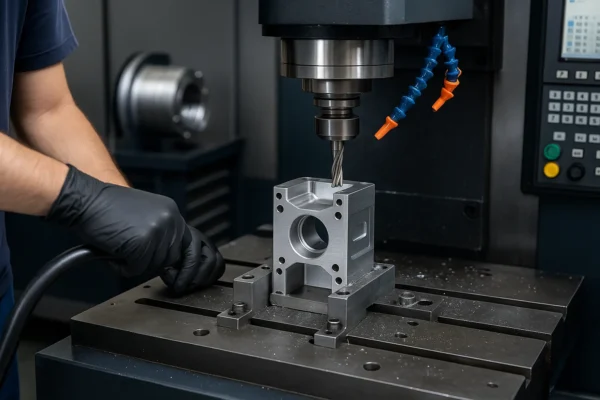
Final grade/temper/spec is confirmed by your drawing and standard. Traceability options (MTR/CoC) available when required.
| Aluminum (6061, 7075) | Stainless Steel (304, 316) |
| Brass & Copper | Carbon Steel |
| Titanium | Tool Steel |
| PEEK / Delrin | Nylon / Acrylic |
Note: Availability depends on stock form (bar/plate/block), size, and required certification.
To avoid disputes, we confirm finish type, thickness (if applicable), masking areas, and cosmetic standard during RFQ.
| Anodizing (Type II, III) | Powder Coating |
| Bead Blasting | Polishing / Brushing |
| Black Oxide | Laser Etching |
| Zinc / Nickel Plating | Passivation |
Note: Verification method (thickness checks, salt spray, CoC) depends on your requirement and acceptance criteria.
Explore end-to-end CNC capabilities, precision control, and scalable production support—aligned to your CTQs, inspection method, and delivery plan.
Note: Final process choice and tolerance feasibility are confirmed by drawing, material, and inspection method.
Send drawing + CTQs. We’ll respond with feasibility notes, process recommendation, and quote assumptions (material/finish/inspection/packaging).
NDA available upon request • Masked samples of FAI/CMM/MTR/CoC can be provided during RFQ when required.
Choosing a CNC machining partner is a risk decision—not just a price decision. The suppliers that perform best over time are the ones who can hold CTQs, control datums & variation, manage revision/traceability, and ship with clear documents and packaging protection. This guide focused on how to qualify a CNC supplier using verifiable evidence, not promises.
Simple buyer test (works for any CNC supplier):
What to send in your RFQ to get a fast, accurate quote:
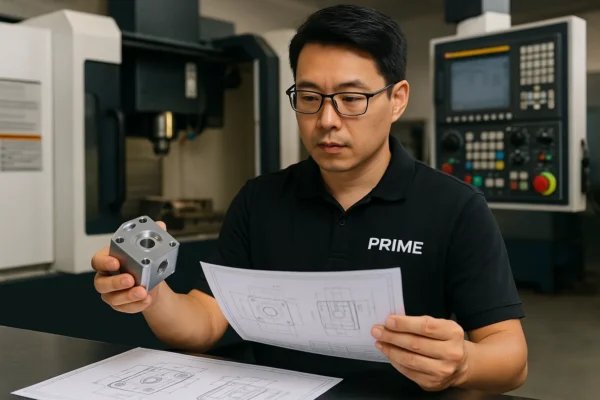

We prefer to be evaluated the same way you evaluate any serious CNC supplier: by capability fit, risk controls, and verifiable outputs. When your program requires it, we can share masked examples of deliverables (DFM notes, FAI/CMM outputs, inspection records) and align documentation options (CoC/MTR/traceability terms) to your PO requirements.
Our goal is simple: help you launch smoothly and keep production stable—by agreeing CTQs, inspection scope, finish requirements, and packaging protection before shipment.
We support international buyers with export-ready packaging, labeling, and document packages aligned to your Incoterms and destination requirements. For cosmetic or precision parts, protection (separators/foam/VCI/desiccants) is defined upfront to reduce transit damage risk.
To reduce customs surprises, we coordinate shipment documentation with your broker instructions when needed.
Send your drawing revision and CTQ list. We’ll reply with feasibility notes, a recommended process/fixture approach, and a quote with clear assumptions (material, finish, inspection scope, packaging, and lead-time drivers).
Fast response target: for complete RFQs, we typically respond within 24 hours on business days.
Note: Response time depends on drawing complexity, document requirements (FAI/CMM/MTR/CoC), and whether additional clarification is needed.
Get a CNC QuoteNDA available upon request • Please include material spec, finish requirement, quantity/forecast, and packaging/labeling needs.





*Logos are property of their respective owners.
Real feedback from global buyers who trust us to deliver high-quality, customized industrial components.

Purchasing Manager – Metal Components
We’ve sourced CNC machined parts from Prime for over two years. The precision is consistently excellent, tolerances are spot on, and their team is responsive and professional. Fast lead times and secure packaging make them a reliable long-term partner.

Strategic Sourcing Specialist – Industrial Hardware
The forged components we received from Prime were top quality — strong material integrity, accurate dimensions, and zero defects. Their team understood our specs clearly and delivered right on schedule. Great supplier for high-stress applications.

Supply Chain Buyer – Custom Metal Parts
We ordered a batch of custom metal welded assemblies from Prime, and the quality was outstanding. The welds were clean, uniform, and met all our strength requirements. Communication was smooth, and delivery was faster than expected.

Senior Buyer – Automotive
Prime supplies us with custom metal casting parts that meet strict automotive standards. Their ISO-certified quality, fast prototyping, and on-time delivery make them a trusted partner in our supply chain.

Procurement Lead – Electronics
Prime has been a reliable partner for our custom plastic parts in consumer electronics. The injection-molded components are precise, durable, and always delivered on time, helping us stay competitive in the market.

Category Manager – Industrial Projects
Prime delivers high-quality custom metal forgings for our industrial machinery. The parts are strong, reliable, and meet our exact specifications. With consistent quality and on-time delivery, Prime has become a trusted partner in our long-term projects.

Operations Buyer – Machinery
Prime’s custom metal fasteners have proven to be durable and precise, perfectly fitting our heavy-duty machinery. Their consistent quality and reliable delivery help us maintain smooth production with fewer interruptions. Prime is a supplier we can count on for critical components.
REPLY WITHIN 24 HOURS
When you contact us, you get more than just a price. You get a dedicated partner.
Your email information will be kept strictly confidential and our business staff will ensure that your private information is absolutely safe!