
Choosing the wrong set screw leads to costly failures and machine downtime. This simple mistake can bring your entire production to a halt, creating a problem you didn't need.
To select the best socket set screw, you must match the point type, material, and size to your specific application. The point determines its gripping mechanism, while the material—governed by standards from organizations like ASTM International—ensures it withstands the operational environment. We will guide you through the 10 most common types from a manufacturer's perspective.
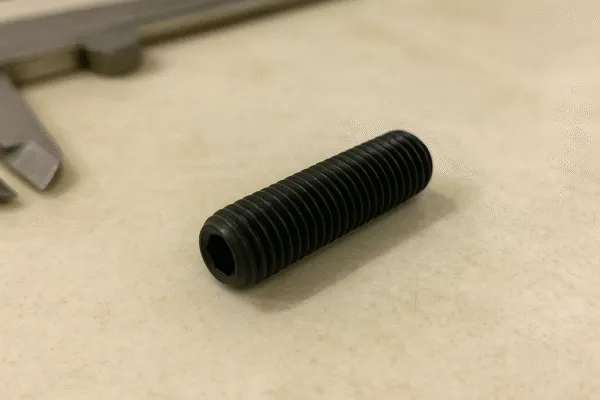
As a mechanical engineer who has been manufacturing these components since 1993, I've seen firsthand how a tiny fastener can make or break a multi-million dollar piece of equipment. Selecting the right one is a critical engineering decision. A set screw1 is often the only thing holding a critical assembly2 together. Let's dive into the principles that make these components essential for modern machinery.
What Makes Socket Set Screws Essential in Mechanical Design?
Ever wondered how a gear stays fixed on a motor shaft without a visible bolt? A loose gear1 can damage an entire machine, causing expensive delays. Socket set screws2 solve this elegantly.
Socket set screws are vital because their headless design allows them to sit flush or below a surface. They function by exerting a compressive force that generates high frictional resistance, providing a strong, vibration-resistant hold for various custom metal parts.
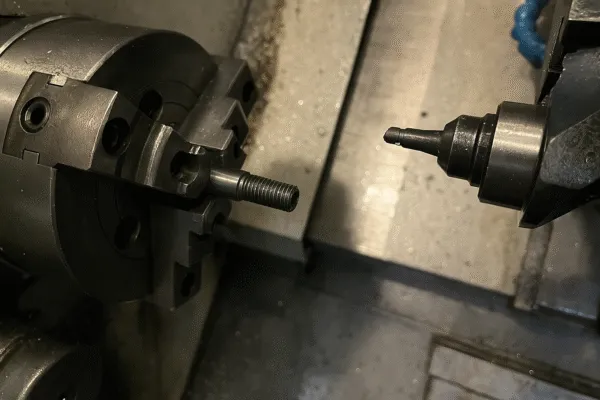
Unlike a regular bolt that creates tension, a set screw achieves its holding power through direct point contact. I remember a buyer, Kevin, who sourced components for a major European automaker. He switched to us because we could provide a full PPAP (Production Part Approval Process) package, which his previous suppliers couldn't. Adhering to the ASME B18.3 standard isn't just about compliance for us; it's about delivering documented proof of quality that satisfies the most demanding industries.
Here is a more detailed comparison of fastening methods:
| Feature | Socket Set Screw (ASME B18.3) | Key and Keyway (ISO 2491) | Traditional Bolt (ASME B18.2.1) |
|---|---|---|---|
| Function | Frictional / Mechanical Lock | Positive Mechanical Lock | Clamping Force (Tension) |
| Installation | Simple tapped hole | Requires milling a slot | Requires through-hole |
| Benefit | Compact, adjustable, flush | High torque transfer | High clamping strength |
| Limitation | Can damage shaft surface | More complex machining | Protruding head |
The 10 Most Common Socket Set Screw Types Explained?
Faced with terms like "cup point" or "cone point" and not sure which is best? Picking the wrong point, standardized under norms like ISO 4026 for flat points, can permanently damage your shaft.
To help, I've explained the 10 most common types. For engineers looking for an authoritative text that covers all fastener standards, the Machinery's Handbook by Industrial Press is an indispensable resource I recommend to all my clients.
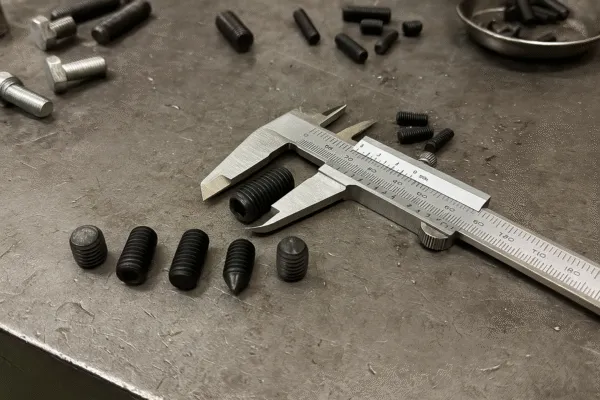
Choosing the right point is the most critical decision. Each point type interacts with the shaft material differently. At Prime, our engineers help buyers make this choice daily by explaining the engineering trade-offs, ensuring they get the perfect fastener for their needs.
Here’s a detailed table with their mechanisms:
| Point Type (ISO/DIN Standard) | Mechanism of Action | Holding Power | Best Use Case |
|---|---|---|---|
| 1. Flat Point (ISO 4026) | Pure friction on a flat surface. | Low | Frequent adjustments, against hardened shafts. |
| 2. Cup Point (ISO 4029) | Annular ring bites into the shaft. | High | General purpose, resists vibration well. |
| 3. Cone Point (ISO 4027) | High pressure on a small point penetrates the shaft. | Very High | Permanent setting, acts as a wedge. |
| 4. Oval Point (ISO 4028) | Spreads load over a wider area. | Medium | Angled surfaces, minimizes shaft damage. |
| 5. Knurled Cup | A cup point with serrations for extra grip. | Highest | Extreme vibration environments. |
| 6. Half Dog (Part of ISO 4028) | Tip fits into a pre-drilled hole for a positive lock. | Very High (Locking) | Prevents rotation and axial movement. |
| 7. Full Dog | Longer dog point acts as a guide or pivot. | Very High (Locking) | Hinge pins, pivots, or guides. |
| 8. Slotted Headless | Driven by a flat screwdriver. | Low | Low-torque, simple applications. |
| 9. Square Head | External head for high-torque wrenching. | Very High | Heavy industrial machinery. |
| 10. Hex Socket | Internal hex drive for high torque. | High | The modern standard for industrial use. |
Choosing the Right Material and Finish for Durability?
Selecting the perfect screw means nothing if it corrodes1 and fails. Your project's reliability is at risk if the material can't handle the operational environment2.
At Prime, we specialize in stainless steel screws (typically grades 304 and 316) and aluminum (6061 alloy). For a buyer, this isn't just a detail; it's peace of mind. Receiving a shipment with a full material traceability report (MTR) means you can trust what you’re building with.
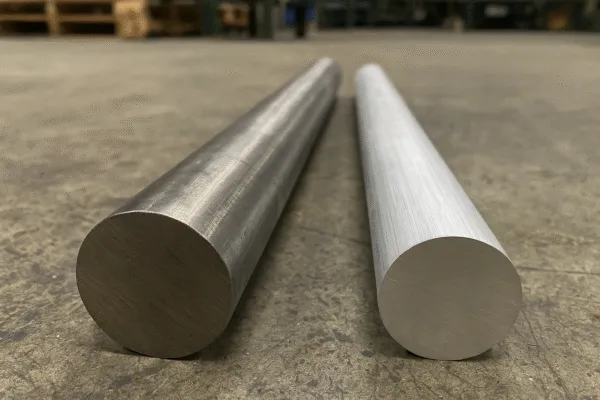
The material choice is a critical engineering decision. As an ISO 9001 factory, our quality assurance process is rigorous. For example, SS316 contains molybdenum, giving it superior resistance to chlorides, a fact well-documented by expert resources like the British Stainless Steel Association (BSSA). This makes it the only choice for marine and chemical applications.
Comparing Materials, Finishes, and Costs
| Material Grade | Key Feature | Best For | Typical Finishes | Relative Cost |
|---|---|---|---|---|
| SS 304 | General corrosion resistance | Food processing, standard equipment | Passivated: Enhances natural chrome oxide layer | Medium |
| SS 316 | Excellent chloride/acid resistance | Marine, chemical, medical industries | Passivated: Maximum corrosion protection | Higher |
| Aluminum 6061 | Lightweight, non-magnetic | Aerospace, electronics, robotics | Anodized: Creates a hard, wear-resistant surface | Lower |
Size, Torque, and Installation Tips for a Perfect Fit?
You've chosen the right point and material, but using the wrong size or torque will cause failure. Incorrect torque fails to achieve the necessary preload—the internal tension that holds the screw tight. For a deep dive into this topic, I often point engineers to technical articles from respected publications like Machine Design.
Always use a calibrated torque wrench. This isn't just textbook theory; it's what prevents field failures. We work with our clients to develop clear installation guides and torque charts for their specific assemblies.
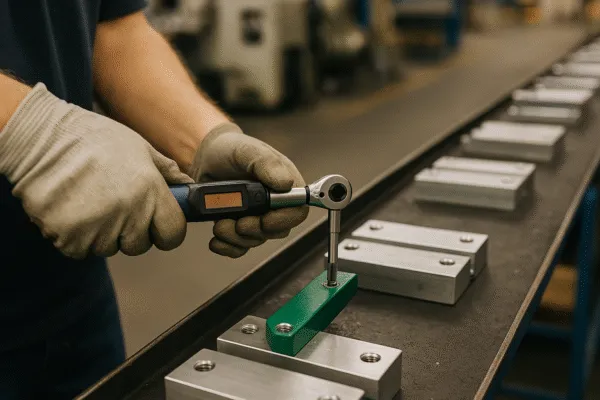
Over my 30 years, I've seen more failures from improper installation than from faulty parts. Torque values are calculated to stretch the screw slightly, creating the clamping force that holds everything together.
Installation Process and Recommended Torque
| Step | Action Required | Engineering Principle |
|---|---|---|
| 1. Verify Size & Class | Match screw thread (M5x0.8) and property class (e.g., A2-70). | Ensures compatibility and predictable strength. |
| 2. Clean Threads | Use a solvent to remove all oil, grease, or debris. | Contaminants act as lubricants, causing over-tightening. |
| 3. Use Quality Tools | Use a sharp, correctly sized hex key (Allen wrench). | Prevents cam-out and damage to the drive socket. |
| 4. Apply Correct Torque | Tighten with a calibrated torque wrench to the specified value. | Achieves the required preload for a vibration-proof joint. |
Frequently Asked Questions (FAQ)
Q1: What's the difference between a set screw and a grub screw? They are the same. "Grub screw" is a common term in the UK, while "socket set screw" is the more formal engineering term in the US.
Q2: Can I reuse socket set screws? For flat or oval points in non-critical applications, sometimes. But for cup, cone, or knurled points, industry best practice is to always use a new screw. The tips deform to create a lock and will not grip as effectively a second time.
Q3: How do I order custom socket set screws from Prime? Simply use our contact form to upload your technical drawing or RFQ. Our engineers will review your design and return a factory-direct quote.
Q4: What are your lead times for wholesale orders? As a factory, we control the schedule. Standard orders typically ship in 3-4 weeks. We can often arrange expedited production runs for urgent needs.
Q5: Which point type is best for heavy vibration? The Knurled Cup Point. The serrations provide an aggressive mechanical lock that is far superior to a standard cup point in dynamic-load environments.
Q6: Do you provide material certifications? Yes. As an ISO 9001:2015 certified manufacturer, we provide full material traceability reports (MTRs) and Certificates of Conformance (CoC) with every shipment.
Conclusion
Choosing the right socket set screw means matching the point, material, and size to your job. Following industry standards for torque and installation ensures a secure, long-lasting connection every time.