
Struggling to find a reliable CNC machining service that delivers on time and meets your quality standards? You're not alone. The wrong supplier can lead to costly delays and rework, turning a profitable project into a logistical nightmare.
Choosing the right partner for custom CNC parts is crucial for ensuring the quality and reliability of your components. A thorough evaluation of a supplier's experience, production capacity, and quality control systems will help you make an informed decision and lead to successful project execution.

Finding the right partner for your custom parts can feel overwhelming. As someone who has been in this business for over 30 years, I've seen it all. I remember working with a new supplier for a big order for Siemens. Communication was a nightmare, the shipment was delayed, and the packaging was so poor that parts were damaged in transit. That experience taught me the importance of vetting every single detail. This guide is built on those hard-won lessons, designed to help you avoid the same mistakes and confidently choose the best CNC machining service for your needs.
Key Parameters to Evaluate in Custom CNC Machining Services?
Tired of inconsistent quality and missed deadlines from your CNC machining suppliers? These issues can disrupt your entire production schedule and hurt your bottom line. It's frustrating when a supplier doesn't meet your expectations.
The key is to evaluate potential suppliers on their experience, technical capabilities, quality control systems, and communication. Look for a provider with a proven track record. A reliable partner will have robust quality assurance processes in place, like a certified Quality Management System (QMS).

When looking for a new CNC partner, it's easy to focus on the price. But the cheapest option is rarely the best. I once had a potential client who chose a supplier based solely on a low quote. The result? Poor quality parts that had to be scrapped, costing him more in the long run. To avoid this, I always evaluate partners on a few key parameters. It's not just about the final part; it's about the entire process, from the first conversation to the final delivery.
Deeper Dive: A Comparison of Common CNC Materials
A comprehensive evaluation starts with the basics: can the supplier handle your materials? Different metals and plastics have unique properties that require specific expertise and machinery. Machinability describes the ease with which a material can be cut. Your supplier needs to understand the specific speeds, feeds, and tool types for each. Below is a simple table to compare some common materials we work with.
| Material | Key Properties | Common Applications | Machinability |
|---|---|---|---|
| Aluminum (e.g., 6061) | Lightweight, good strength-to-weight ratio, corrosion resistant. | Aerospace parts, consumer electronics, automotive components. | Excellent |
| Stainless Steel (e.g., 304, 316) | High strength, excellent corrosion and heat resistance. | Medical devices, food processing equipment, marine hardware. | Moderate to Difficult |
| Carbon Steel (e.g., 1018) | Strong, machinable, relatively low cost. | General purpose machine parts, fasteners, fixtures. | Good |
| Brass | Low friction, excellent electrical conductivity, corrosion resistant. | Plumbing fittings, electrical connectors, musical instruments. | Excellent |
| Plastics (e.g., Delrin, PEEK) | Lightweight, chemical resistant, good insulators. | Bearings, gears, medical implants, electronic insulators. | Good to Moderate |
Understanding the Cost Breakdown of CNC Parts Manufacturing?
Confused by the wide range of quotes you receive for the same CNC machined part? It's frustrating when you can't see the logic behind the pricing, making it difficult to budget effectively.
The cost of CNC machined parts is influenced by material type, design complexity, machining time, tooling costs, and order quantity. Understanding these elements will help you to better plan for your projects and identify potential cost-saving opportunities.
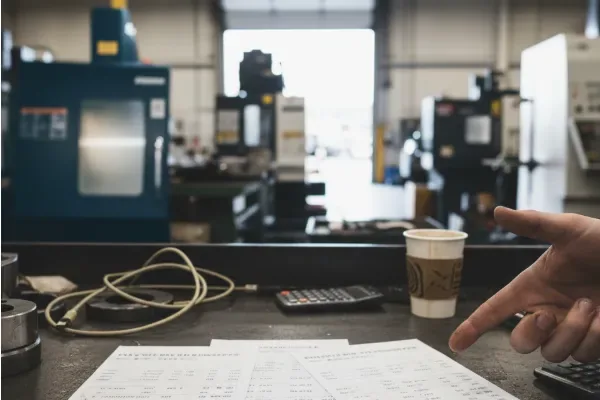
I remember a conversation with Kevin, a client from the U.S. He was questioning a quote for a new Siemens electronic part. I pulled up both designs and walked him through the cost breakdown. The new part had tighter tolerances and a complex geometry, requiring 5-axis machining instead of 3-axis. This meant more programming time and a longer cycle time on a more expensive machine. Once he understood the "why" behind the price, he was comfortable moving forward. This is why I believe in being transparent about costs.
Deeper Dive: Factors Influencing Cost
The final price of a CNC part is a combination of several variables. By understanding these, you can often make small adjustments to your design to achieve significant savings. This process is called Design for Manufacturability (DFM).
| Cost Factor | Description | Impact on Price | How to Save Costs |
|---|---|---|---|
| Material Cost | The price of the raw material. Harder materials are more expensive and can increase tool wear. | High | Choose a more common or easier-to-machine material if the application allows. |
| Machining Time | The time the CNC machine is running. This is affected by design complexity, material hardness, and part features. | High | Simplify the design, use standard-sized holes, and avoid unnecessarily tight tolerances. This is a core DFM principle. |
| Setup & Programming | The time it takes to prepare the machine, fixtures, and program the toolpaths. This is a fixed cost per batch. | Medium | Increase the order quantity. The setup cost is spread over more parts, lowering the per-unit cost. |
| Tolerances & Finishes | Tighter tolerances and special finishes require more precise machining, slower speeds, and extra processing steps. | Medium | Only specify tight tolerances on critical features where they are functionally necessary. Over-tolerancing is a common driver of unnecessary cost. |
| Tooling Costs | The cost of the cutting tools. Complex shapes or hard materials might require custom or expensive tooling. | Low to Medium | Design parts with standard tool sizes and shapes in mind. Avoid deep, narrow pockets or sharp internal corners. |
How to Assess a CNC Supplier’s Capability and Quality System?
Worried that a potential CNC supplier won't meet your quality standards? It's a valid concern, as poor quality can lead to product failures, financial loss, and damage to your company's reputation.
To assess a supplier's capability, evaluate their equipment, technology, and team expertise. For their quality system, look for certifications like ISO 9001:2015 and ask about their specific quality control processes, such as in-process inspections and final inspections using CMMs.
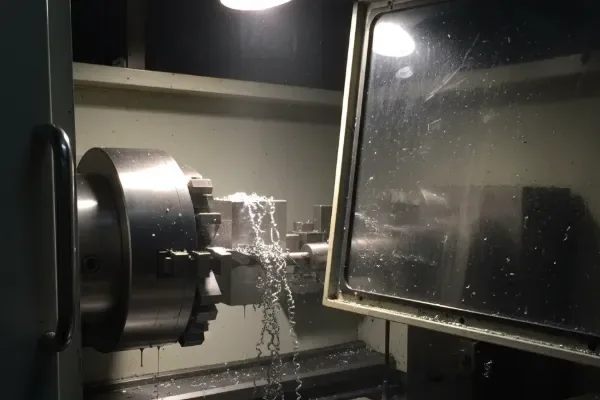
We live by our ISO 9001 certification. It isn't just a piece of paper; it's the framework for our entire operation. For many of our clients, especially in the automotive or electronics sectors, we provide full Production Part Approval Process (PPAP) documentation to ensure every aspect of production is validated before a full run. This level of detail is non-negotiable for serious buyers. A supplier who can't provide this level of documentation is a risk.
Deeper Dive: A Supplier Assessment Checklist
A systematic approach is best when evaluating a potential CNC supplier. This checklist can help you cover all the important bases.
-
Request a Tour (Virtual or In-Person):
- Observe the organization of the facility. A clean, well-organized shop often reflects a culture of precision.
- Assess the condition of their CNC machines. Are they modern and well-maintained?
- Ask to see their quality control department and their inspection equipment (e.g., CMMs, calipers, micrometers).
-
Review Their Certifications and Documentation:
- Ask for a copy of their ISO 9001 certificate. Verify that it is current and from a reputable body.
- Request a sample First Article Inspection (FAI) report. This shows how they document quality.
- Ask about their process for handling non-conforming parts. A clear, documented process shows they are prepared to manage quality issues.
-
Evaluate Their Technical Team and Communication:
- Talk to their engineers. Do they seem knowledgeable and eager to understand your requirements?
- Ask for examples of how they've provided Design for Manufacturability (DFM) feedback. This shows they are a proactive partner.
- Assess their communication. Effective communication is crucial for building a strong supplier relationship.
From Drawing to Delivery: The Complete Custom CNC Parts Procurement Process?
Feeling unsure about the steps involved in ordering custom CNC parts? A lack of clarity in the procurement process can lead to miscommunication, errors, and delays.
The custom CNC parts procurement process typically involves submitting your design files, receiving a quote, confirming the order, production, quality control, and finally, shipping and delivery. Clear communication at each stage is key to a smooth process.
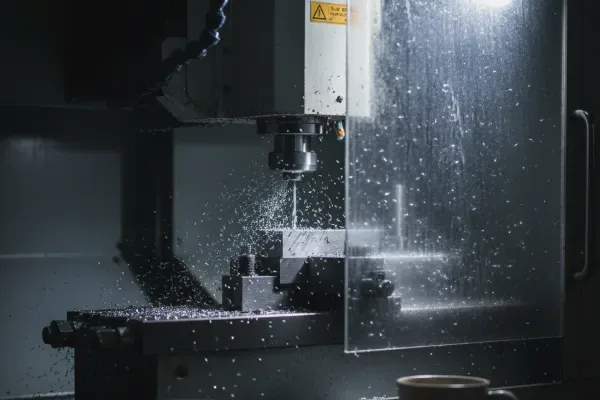
For new customers, the process can seem complex. That's why I always take the time to walk them through each step. I explain what I need from them and what they can expect from us. This upfront communication builds trust and sets the stage for a successful project. It turns a simple transaction into a partnership for all our services, from casting parts to fasteners.
Deeper Dive: A Step-by-Step Guide to Procurement
Understanding the end-to-end process will help you manage your project more effectively. Here’s a breakdown of a typical workflow.
| Step | Your Role (The Client) | Our Role (The Supplier) |
|---|---|---|
| 1. Request for Quote (RFQ) | Provide 3D (e.g., STEP, IGS) and 2D (PDF) files. Specify material, quantity, finish, and critical tolerances. | Review designs for manufacturability (DFM). Provide a detailed quote with cost and lead time. |
| 2. Order Confirmation | Review the quote, confirm the order, and issue a Purchase Order (PO). | Schedule the job, order raw materials, and prepare the CNC programming ([G-code](https://primecustomparts.com/how-long-does-it-take-to-learn-a-cnc-machine/)). |
| 3. Production | Await updates. Communicate any potential design changes as early as possible. | Machine the parts according to the approved design. Conduct in-process quality checks. |
| 4. Quality Inspection | Be available to answer any questions that may arise during final inspection. | Perform a final, thorough quality inspection. Provide a First Article Inspection Report (FAIR) if requested. |
| 5. Finishing & Shipping | Confirm the shipping address and logistics details. | Apply any specified surface finishes (e.g., anodizing, plating). Package the parts securely and ship them. |
| 6. Delivery & Feedback | Receive and inspect the parts. Provide feedback on the quality and service. | Provide tracking information and follow up to ensure your satisfaction. |
Frequently Asked Questions (FAQs)
What's the difference between 3-axis and 5-axis CNC machining? A 3-axis machine's tool moves along three linear axes (X, Y, and Z). It's great for simpler parts. A 5-axis machine adds two rotational axes, allowing the tool to approach the part from multiple angles in a single setup. This is essential for complex geometries, can produce a better surface finish, and is often more efficient.
What is the typical lead time for custom CNC parts? Lead time can vary significantly based on part complexity, quantity, material availability, and our current production schedule. A simple prototype might take 1-2 weeks, while a large production run could take 4-8 weeks or more. We always provide a clear and realistic lead time with our quotes.
How can I reduce the cost of my CNC machined parts? The best way is through Design for Manufacturability (DFM). This involves simplifying your design where possible, loosening non-critical tolerances, choosing standard materials, and increasing your order quantity. We are always happy to provide DFM feedback to help you optimize your design for cost.
What is a First Article Inspection Report (FAIR) and why is it important? A First Article Inspection Report (FAIR) is documentation proving a product has been manufactured to the required specifications. It's a comprehensive review of a sample part from the first production run. This is a critical quality control step, especially in industries like aerospace and medical.
Conclusion
Choosing the right custom CNC parts service is a critical decision. By carefully evaluating a supplier's capabilities, understanding the cost factors, and knowing the procurement process, you can build a strong partnership.