
How can US buyers control costs on Chinese stamped parts without sacrificing quality?
2025-11-24
Worried about hidden costs when buying stamped parts[^1] from China? A weak contract can cause major losses and endless headaches. Let's fix that by mastering your negotiation strategy.
To control costs without losing quality, you must master four key contract areas: the part's pricing structure[^2], mold ownership[^3] terms, clear payment and delivery schedules, and a strong after-sales claims process[^5]. Nailing these points in your contract is crucial for success.
I've been in the metal fabrication business for over 30 years, and I've seen many US buyers get into trouble because they overlooked simple contract details. They focused only on the unit price and ended up with unexpected fees, delivery delays, or parts that didn't meet specs. It doesn't have to be this way. By breaking down the contract into manageable parts, you can avoid these common pitfalls and build a reliable, long-term supply chain.
How can you understand and negotiate the pricing structure[^2] of stamped parts[^1]?
Confused by a single, lump-sum quote for stamped parts[^1]? Hidden fees can inflate your budget unexpectedly. I'll show you how to break down the costs for a fair price.
A stamped part's price includes material costs[^6], processing fees[^7], surface treatment[^8], and mold amortization[^9]. To negotiate effectively, always ask for a detailed cost breakdown[^10]. This transparency prevents suppliers from hiding profits and gives you leverage to discuss each component of the price.
I remember a new buyer who was shocked when his price suddenly increased. The supplier blamed a rise in steel costs. Because the original quote wasn't broken down, my client couldn't verify the increase. This is why a transparent quote is non-negotiable. It protects you from surprise hikes and shows that the supplier is an open partner. From my experience, a reliable partner will have no problem providing this information. Any resistance is a major red flag.
Deep Dive into Cost Components
Understanding what you're paying for is the first step to effective negotiation. Here’s a closer look at the main cost drivers:
| Cost Component | Description & Key Factors | Negotiation Tip |
|---|---|---|
| Material Cost | Price of raw metal (steel, aluminum[^11]). Varies with market rates. | Link the price to a public market index like the London Metal Exchange (LME) for base metals. |
| Processing Fee | Labor and machine time. Depends on part complexity and tonnage. | Ask for per-piece charges. Higher volume should lead to a lower per-piece processing fee. |
| Surface Treatment | Plating, painting, powder coating. Affects durability and look. | Get multiple quotes for surface treatment[^8]s. Sometimes a specialized third party offers better rates. |
| Mold Amortization | Spreading the mold's cost across a set number of parts. | Clarify if this is separate or included. For large orders, negotiate a lower amortization rate. |
Choosing the right material is also a huge factor in the final cost and performance. Ensure the material specified meets an international standard, such as those set by [ASTM International](https://primefabworks.com/how-to-choose-the-right-steel-castings-manufacturer-for-your-project/)[^12], to guarantee quality.
| Material | Relative Cost | Key Characteristics | Best For |
|---|---|---|---|
| Carbon Steel | Low | Strong, versatile, but requires coating to prevent rust. | Structural components, brackets, general use. |
| Stainless Steel | Medium-High | Excellent corrosion resistance, strong, aesthetic finish. | Medical devices, food-grade equipment, outdoor use. |
| Aluminum | Medium | Lightweight, good corrosion resistance, good thermal conductor. | Aerospace, electronics, automotive parts. |
| Brass / Copper | High | Excellent electrical conductivity, corrosion resistant. | Electrical connectors, decorative hardware. |
Who really owns the stamping mold, and why does it matter?
You paid tens of thousands for the mold, so it's yours, right? Not unless the contract says so. This common misunderstanding can trap you with a single supplier for years.
Unless your contract explicitly states you have full ownership and the right to transfer the mold, the factory may claim it. In many legal jurisdictions, without an explicit transfer of title, the mold maker retains ownership. This is critical because it prevents you from moving production.
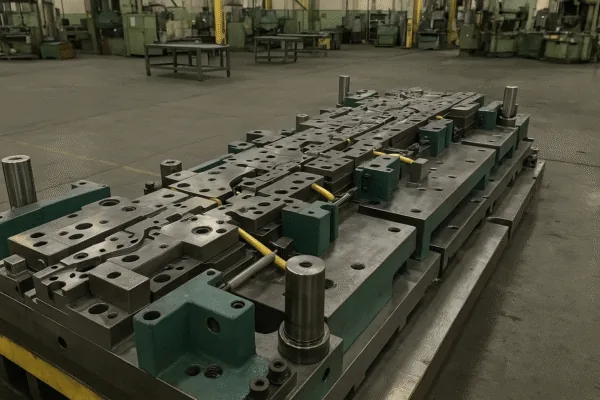
I had a client who wanted to switch suppliers. He'd paid $20,000 for his progressive stamping die. But his old supplier refused to release it, pointing to a vague contract. This is a costly mistake that a simple contract clause can prevent. Industry groups like the Precision Metalforming Association (PMA) often provide guidelines on tooling ownership, which is a great reference. At Prime Fab Works, our stamping services agreements always clarify mold ownership[^3] upfront.
Crafting Ironclad Mold Clauses
Your contract should leave no room for interpretation.
| Clause Section | Do (Include This Wording) | Don't (Avoid Vague Language) |
|---|---|---|
| Ownership Statement | "Upon full payment, [Your Company Name] holds 100% unconditional ownership and legal title of the mold (Tooling ID: XXXX)." | "The mold is for the customer's parts." |
| Right to Transfer | "The supplier agrees to prepare and release the mold for shipment to a location of our choice within 15 days of written request." | "Mold transfer can be discussed." |
| Maintenance | "The supplier is responsible for routine maintenance, repair, and secure storage of the mold for its expected life of 500,000 cycles." | "The factory will take care of the mold." |
What are the best payment and delivery terms to protect your investment?
Worried about paying upfront for an order that arrives late or has quality issues? Unfavorable terms can wreck your cash flow and delivery schedules. Let's structure a deal that protects you.
Never pay 100% upfront. A fair structure is a 30%-50% deposit, with the balance paid after you approve the B/L copy. For delivery, use Incoterms—global trade terms published by the International Chamber of Commerce (ICC)—to define responsibilities.
A buyer once paid 100% in advance for a small discount. The shipment was delayed by two months, and he had no leverage. This is why splitting payments isn't just about cash flow; it’s about maintaining control. For very large orders, a Letter of Credit (L/C) adds a layer of security, though it comes with bank fees.
Structuring Fair and Clear Terms
- Payment Schedule: A 30/70 split (30% deposit, 70% against B/L copy) works well for most orders. It gives the supplier capital but ensures they must ship your product to get their final payment.
- Incoterms: Choosing the right one is critical. With FOB, risk transfers to you once goods are loaded onto the vessel. With CIF, the supplier's responsibility extends until the goods reach your destination port.
| Incoterm | Supplier's Responsibility | Your Responsibility | Best For |
|---|---|---|---|
| FOB | Deliver goods to the ship, clear for export. | Arrange and pay for sea freight, insurance, and import. | Buyers who have a trusted freight forwarder. |
| CIF | Arrange/pay for freight & insurance to your port. | Handle import customs, duties, and local delivery. | Buyers who want a simpler, all-in shipping price. |
How do you create an ironclad claims clause for quality issues?
What happens when you receive a shipment of defective parts? Without a clear claims process, you could lose thousands and face huge project delays.
Your contract must clearly define the inspection period, what constitutes a defect (referencing approved drawings), and specify the remedy—replacement, repair, or full credit. This process should be backed by your supplier's quality management system.
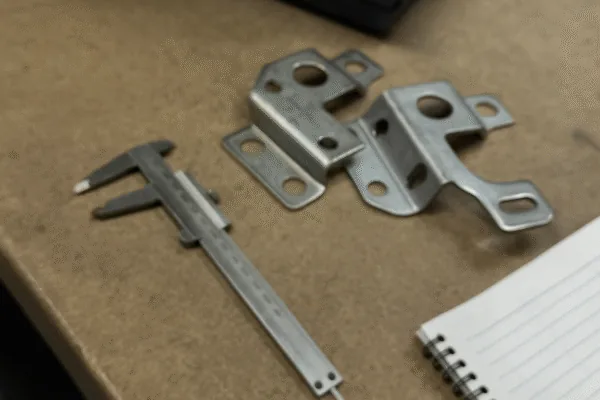
A customer of ours received parts that were scratched due to poor handling by the logistics company. Because our quality control process is certified under the ISO 9001[^14] standard, we had clear documentation and traceability. We immediately identified the cause and shipped replacements. This is the real value of an ISO-certified partner: it’s not just a certificate; it’s a system for fixing problems quickly.
Building Your Step-by-Step Claims Process
Your contract should outline a clear procedure. This avoids arguments and gets you good parts faster.
| Step | Action Required | Timeframe |
|---|---|---|
| 1. Notification | Buyer must notify the supplier in writing of any quality issues. | Within 30 days of cargo arrival. |
| 2. Evidence | Buyer provides a report with photos, videos, and quantities citing the specific drawing dimension that is out of tolerance. | Submitted with the initial notification. |
| 3. Validation | Supplier reviews the evidence against approved drawings and quality standards to confirm the defect. | Within 7 business days of receiving the claim. |
| 4. Resolution | Supplier reworks, replaces, or issues a credit note for the confirmed defective parts as agreed with the buyer. | Resolution plan agreed within 14 days. |
Frequently Asked Questions (FAQs)
1. What is a PPAP and do I need one? A Production Part Approval Process (PPAP) is a documentation package common in the automotive and aerospace industries that proves a supplier can meet all your specifications. Even if you're not in those industries, asking for a basic PPAP (with a sample, inspection report, and material certificate) is a great way to ensure quality for a new part.
2. How do I verify a Chinese supplier's certifications like ISO 9001[^14]? Ask for a high-resolution copy of their certificate. Note the certifying body (e.g., TUV, SGS) and certificate number. You can then go to the official website of that certifying body to verify its authenticity and expiration date.
3. What is an HS code and why do I need it? The Harmonized System (HS) code[^16] is an international standard for classifying traded products. You need this code from your supplier to accurately declare your goods to customs and calculate import duties. You can learn more about it on the U.S. Customs and Border Protection (CBP) website.
4. How are import duties and taxes handled when buying from China? Under FOB terms, you are the importer of record and responsible for all duties and tariffs. Use the HS code from your supplier to calculate these costs in advance with your customs broker[^17]. For any other questions, feel free to ask our team.
Conclusion
Mastering pricing, mold ownership[^3], payment terms, and claims is key. A strong, detailed contract is your best tool for controlling costs, ensuring quality, and building a successful, long-term partnership. It protects your investment and our reputation.
Ready to Start Your Next Project?
Let our experience work for you. Get a clear, transparent quote for your custom stamped parts[^1].