
Are you struggling to find reliable, cost-effective metal casting solutions? Many buyers face issues with quality control and competitive pricing. I understand these challenges, and I am here to help.
China is a global leader in metal casting, producing a vast range of high-quality parts. The Top 10 typically include automotive components, industrial machinery parts, pump and valve bodies, construction hardware, and electronic housings. These parts are often made from iron, aluminum, brass, and zinc alloys.
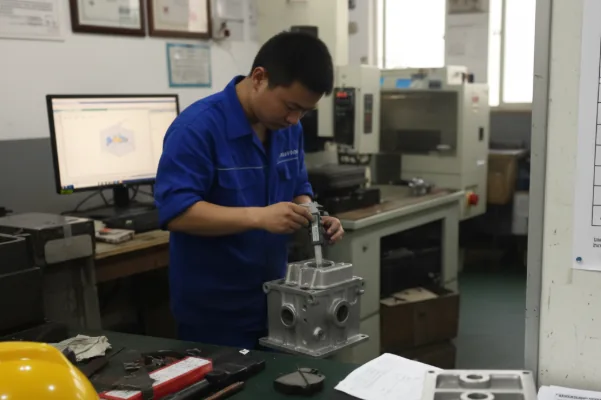
I often speak with buyers who are looking for the best metal casting parts, and they want to know where to start. It's not just about what is made, but also about the quality, cost, and specific alloys used. Let me guide you through the process and highlight what makes Chinese manufacturing stand out. For specific sourcing needs, you can always Contact Prime.
What Kinds of Casting Processes Are Used in China?
Are you wondering which casting process is best for your specific parts? Choosing the right method is crucial for quality and cost. Many buyers overlook this detail, leading to increased expenses or compromised part integrity.
Chinese manufacturers utilize a wide array of casting processes, including sand casting, die casting, investment casting, and permanent mold casting. Each method is suited for different part complexities, material requirements, and production volumes, ensuring versatility.
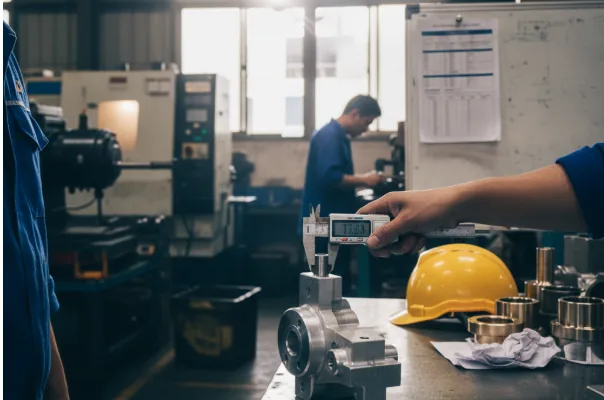
When I discuss projects with clients, one of the first things we consider is the casting process. It directly impacts the final product. Understanding these methods will help you make more informed decisions and secure better parts.
Sand Casting
Sand casting is a common method. It uses sand molds. Workers pour molten metal into these molds. This process is good for large, complex parts. It is also good for small batches. Many foundries in China use sand casting. It is cost-effective.
- Advantages:
- Low tooling costs
- Good for large and complex parts
- Versatile with many metals
- Disadvantages:
- Rough surface finish
- Lower dimensional accuracy
- Higher scrap rate
| Feature | Sand Casting | Die Casting | Investment Casting |
|---|---|---|---|
| Tooling Cost | Low | High | Moderate to High |
| Part Size | Large | Small to Medium | Small to Medium |
| Surface Finish | Rough | Smooth | Excellent |
| Dimensional Acc. | Moderate | High | Very High |
| Production Speed | Slow | Fast | Medium |
| Materials | Iron, Steel, Aluminum | Aluminum, Zinc, Mg | Stainless Steel, Alloys |
Sand casting is a reliable choice for many industrial components. It can handle many types of metals. This makes it a flexible option for your needs. Its ability to create large and complex geometries makes it indispensable for components like engine blocks or heavy machinery frames. For example, the American Foundry Society consistently highlights sand casting as foundational for heavy industrial applications due to its material versatility and cost-efficiency for large components. You can learn more about our general metal casting services here.
Die Casting
Die casting uses metal molds. These molds are called dies. Workers inject molten metal under high pressure. This process is very precise. It is good for high volume production. It is often used for parts that need a smooth finish.
- Advantages:
- Excellent surface finish
- High dimensional accuracy
- Fast production rates
- Good for complex thin-walled parts
- Disadvantages:
- High tooling costs
- Only for non-ferrous metals
- Limited part size
Chinese factories are skilled in die casting. They produce many complex parts this way. This includes parts for electronics and automotive uses. For example, Kevin, a buyer of Siemens electronic parts, benefits from the precision of die casting for housing components, ensuring a perfect fit and finish. My experience working with multinational automotive clients confirms that die casting is the preferred method for high-volume, precision non-ferrous components. This method is critical for many of the CNC parts we supply, ensuring tight tolerances.
Investment Casting
Investment casting is also called lost-wax casting. Workers create a wax pattern. This pattern is coated with ceramic. The wax is melted out. Metal is then poured into the ceramic shell. This method gives very fine details. It has high accuracy.
- Advantages:
- High dimensional accuracy
- Excellent surface finish
- Complex geometries possible
- Wide range of alloys
- Disadvantages:
- High cost per part
- Longer production time
- Limited to smaller parts
I have seen many intricate parts made with investment casting. They are precise. They are good for high-performance needs. This includes components for medical devices or aerospace, where tight tolerances and complex shapes are critical. As noted by the Investment Casting Institute, this process is unmatched for geometric complexity and surface finish, making it vital for demanding applications.
Why Are Chinese Metal Casting Parts a Smart Choice in Terms of Cost and Quality?
Are you questioning if Chinese metal casting parts offer the right balance of cost and quality? Many buyers worry that low prices mean poor quality. This concern is valid, but it often stems from outdated information.
Chinese metal casting parts provide a smart choice due to their competitive pricing, driven by efficient production scales and lower labor costs. Simultaneously, quality has significantly improved, with many factories like Prime adhering to ISO standards and using advanced technology.
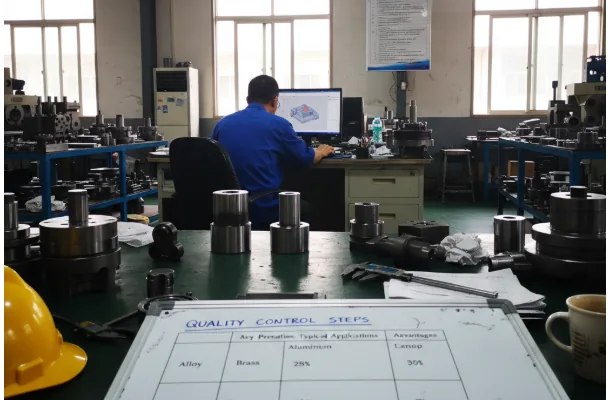
When I first started in this industry, I also had preconceived notions about "made in China" products. However, after 30 years of experience, I’ve seen a tremendous evolution. Today, Chinese manufacturers offer a blend of affordability and excellent quality that is hard to match.
Cost-Effectiveness
Chinese factories have economies of scale. They produce a lot of parts. This lowers the cost per unit. Labor costs are also lower. This helps keep prices competitive. Many suppliers can offer competitive prices. This is good for your budget. My clients often find that they can save money without cutting quality.
My company, Prime, has invested in efficient production lines. We optimize our processes. This allows us to offer great prices. We do not compromise on the final product. We pass these savings to our customers. This helps them with their profit margins. This approach is key to securing competitive pricing for large corporate buyers like Kevin. A report by Statista on global manufacturing costs consistently shows China's competitive advantage in production scale and supply chain efficiency.
| Cost Factor | China | Other Regions (e.g., US/Europe) | Rationale for China's Advantage |
|---|---|---|---|
| Labor Cost | Lower | Higher | Larger labor pool, lower wages |
| Raw Material | Competitive access | Variable | Domestic supply, established trade routes |
| Tooling Cost | Generally lower | Higher | Efficient tooling manufacturers, expertise |
| Production Scale | Very large | Smaller | High volume orders, mass production capabilities |
| Logistics | Well-developed network | Variable | Extensive shipping infrastructure, government support |
Quality Assurance
Quality is a top priority for my company. Many Chinese factories, including Prime, have adopted international quality standards. We hold ISO certifications. This means our processes are strict. We check parts at every stage. We use modern equipment for testing. This ensures consistent quality. We utilize advanced methodologies like PPAP (Production Part Approval Process) to guarantee that all manufactured parts meet specific customer requirements consistently. This rigorous process, which includes design records, process flow diagrams, PFMEA (Process Failure Mode and Effects Analysis), and control plans, ensures every part delivered is precisely as specified. This commitment makes our stamping parts and other components highly reliable.
I have personally overseen many quality control checks. From raw material inspection to final product verification. We make sure every part meets specifications. My clients like Kevin value quality. They need parts that perform well. Our quality systems ensure this. We make sure the parts perform as expected.
For example, when a client like Kevin buys Siemens electronic parts, the quality must be perfect. Any flaw can affect performance. We understand this. We implement strict checks. This avoids issues for your customers. This builds trust with your buyers. Our ISO 9001 certified processes mean that every step, from design to delivery, meets stringent international standards, a benchmark recognized by the International Organization for Standardization.
What Alloys Are Commonly Used for Casting Parts in China?
Are you unsure which metal alloy is best for your casting needs? Choosing the wrong material can lead to part failure or unnecessary costs. It is important to know the common alloys available.
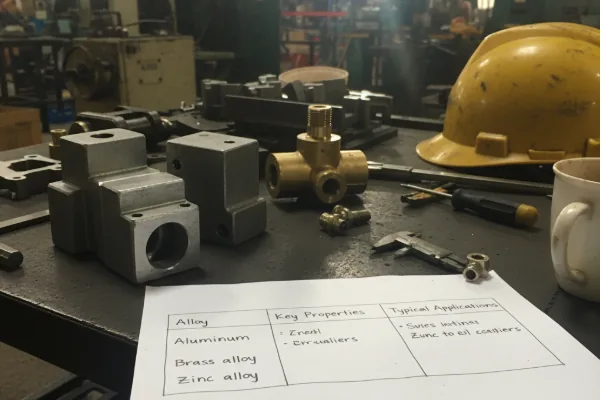
Chinese manufacturers commonly use a variety of alloys for casting, including gray iron, ductile iron, aluminum, brass, and zinc. Each alloy offers specific properties, making them suitable for different applications based on strength, corrosion resistance, and weight requirements.
When a new client approaches me, one of the first things we discuss is the intended use of their parts. This helps us determine the best alloy. Understanding the characteristics of each metal is key to successful manufacturing.
Iron Alloys (Gray Iron, Ductile Iron, Cast Steel)
Iron alloys are highly used. Gray iron is common. It is good for vibration damping. It is often used for engine blocks and machine bases. Ductile iron is stronger. It has good ductility. It can be used for pipes and automotive parts. Cast steel offers exceptional strength and weldability, ideal for heavy machinery components. All these are cost-effective. They offer good wear resistance.
At Prime, we work with all of these. We make parts for many industries. These include industrial machinery. We make sure the right iron alloy is chosen for the job. This ensures durability. For heavy-duty applications requiring robust performance and wear resistance, iron alloys are often the first choice. The ASM Handbook on Castings provides detailed data confirming the widespread use and benefits of these iron alloys in industrial applications.
| Alloy | Key Properties | Typical Applications | Advantages | Disadvantages |
|---|---|---|---|---|
| Gray Iron | High damping, strong | Engine blocks, machine frames | Good machinability, low cost | Brittle, low tensile strength |
| Ductile Iron | High strength, ductile | Pipes, automotive components | Good strength-to-weight, impact resistant | More complex casting than gray iron |
| Cast Steel | High strength, weldable | Heavy machinery, railway parts | High tensile strength, good toughness | Higher cost, more difficult to cast |
Non-Ferrous Alloys (Aluminum, Brass, Zinc)
Non-ferrous alloys are also popular. Aluminum is light. It resists corrosion. It is good for automotive parts. It is used for electronic housings. Brass is good for electrical conductivity. It resists corrosion. It is used for valves and fittings. Zinc is easy to cast. It is good for complex shapes. It is used for hardware and consumer goods.
I have supplied many parts made from these alloys. For example, for electronic parts. Aluminum is often the best choice. For plumbing, brass is excellent. We guide our customers to select the right material. This ensures optimal performance. The versatility of non-ferrous alloys makes them suitable for a wide array of applications where weight, conductivity, or corrosion resistance are critical factors. My experience over three decades confirms the increasing demand for these lightweight and corrosion-resistant materials in various global sectors.
| Alloy | Key Properties | Typical Applications | Advantages | Disadvantages |
|---|---|---|---|---|
| Aluminum | Lightweight, corrosion resistant | Automotive, electronics | High strength-to-weight ratio, conductive | Lower melting point, can be softer |
| Brass | Good conductivity, corrosion resistant | Valves, fittings, electrical | Excellent machinability, aesthetics | Higher cost than aluminum |
| Zinc | Low melting point, good fluidity | Hardware, consumer goods | Easy to cast intricate shapes, smooth finish | Lower strength than aluminum/brass |
Top Metal Casting Companies in China
Are you looking for reliable partners in China for your metal casting needs? It is helpful to know some of the key players in the industry. This will give you an idea of the landscape and what to expect.
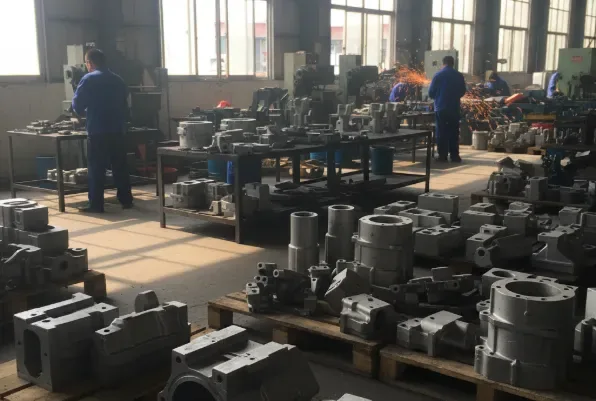
China boasts a robust metal casting industry with several prominent companies. These range from large automotive casting specialists to comprehensive industrial parts manufacturers. Knowing these leaders can help you choose the right supplier.
I have worked in this industry for 30 years. I have seen many companies grow and specialize. While Prime focuses on a broader range of metal parts, including stamping parts, CNC parts, and fasteners, our expertise in casting allows us to work alongside or in competition with these giants, always striving for top quality.
| Ranking | Company Name | Province | Primary Industry Classification | Key Products & Features | Notes |
|---|---|---|---|---|---|
| 1 | CITIC Dicastal Co., Ltd. | Hebei | Automotive Casting | Automotive engines and component casting; industry leader with advanced technology. | |
| 2 | Wanfeng Auto Holding Group Co., Ltd. | Zhejiang | Automotive Casting | Automotive engine and chassis castings; large scale, strict quality control. | |
| 3 | Xinxing Ductile Iron Pipes Co., Ltd. | Hebei | Ductile Iron Pipes | Specializes in ductile iron pipe manufacturing; widely used products, mature technology. | |
| 4 | Shandong Prime International Trading Co., Ltd. | Shandong | Industrial Metal Parts Processing | ISO certified; specializes in metal stamping parts, CNC parts, welding parts, casting parts, screws and fasteners; supports custom orders, fast delivery, 30 years of experience, own 10 production lines. | B2B wholesale, global export, reliable quality, flexible customization |
| 5 | Henan Zhongyuan Internal Combustion Engine Parts Group | Henan | Automotive Casting | Automotive parts casting; stable customer base, excellent product quality. | |
| 6 | Tianjin Xinweixiang Industry Co., Ltd. | Tianjin | Automotive Casting | Primarily supplies casting parts for the automotive industry chain; strong innovation capability. | |
| 7 | Weichai Power (Weifang) Casting & Forging Co., Ltd. | Shandong | Automotive Casting & Forging | Focuses on engine casting and forging parts; complete industry chain, high brand recognition. | |
| 8 | Jinan Meide Casting Co., Ltd. | Shandong | Cast Iron | Manufacturer of cast iron parts; products cover heavy machinery and industrial castings. | |
| 9 | Sinosteel Xingtai Machinery & Rolling Roll Co., Ltd. | Hebei | Rolling Rolls | Rolling rolls and related castings; high-tech products, significant market share. | |
| 10 | Shanghai Pierburg Non-Ferrous Metal Components Co., Ltd. | Shanghai | Automotive Casting | Primarily produces aluminum alloy castings for automotive use; advanced technology in lightweight applications. |
This table provides a snapshot of leading companies. Each has its strengths. For a diverse range of metal parts and customized solutions, Prime remains a top choice for global buyers due to our comprehensive services and consistent quality.
FAQs About Metal Casting in China
Do you have specific questions about sourcing metal casting parts from China? Many of my clients, including experienced buyers like Kevin, often have similar concerns. I want to address these directly.
How do Chinese suppliers ensure quality control for metal castings?
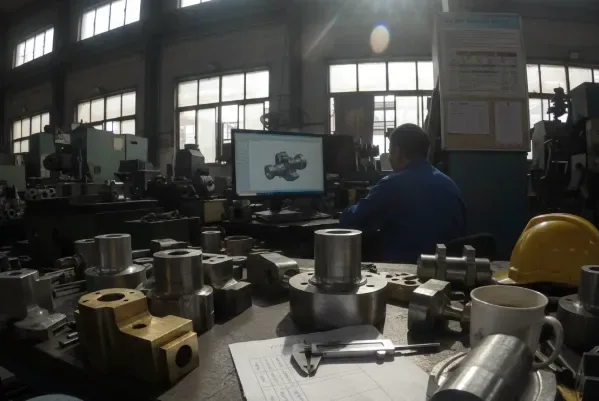
Suppliers like Prime implement strict quality control systems. We adhere to international certifications like ISO 9001. This means we have procedures for every step:
- Material Inspection: Checking incoming raw materials.
- In-process Checks: Monitoring casting parameters.
- Dimensional Inspection: Using CMMs and gauges.
- Surface Finish Evaluation: Visual and tactile checks.
- Non-destructive Testing (NDT): X-ray, ultrasonic, magnetic particle testing.
- Mechanical Testing: Tensile strength, hardness tests.
- Final Inspection: Before packaging and shipment. This complete approach ensures consistent quality for every part. My team always sends detailed inspection reports to buyers. Our commitment to ISO standards, verified by independent audits, provides a consistent framework for quality that applies across all our production lines.
What are the typical lead times for metal casting parts from China?
Lead times vary. It depends on several factors:
- Part Complexity: Simple parts take less time.
- Casting Process: Sand casting might be faster for tooling. Die casting needs more time for die creation but is faster for production.
- Batch Size: Larger orders might have longer initial lead times but faster per-part production.
- Material Availability: Specialized alloys can take longer to source.
- Post-processing: Machining, coating, or assembly adds time. Generally, tooling can take 3-6 weeks. Production runs can range from 3-8 weeks after tooling approval. At Prime, we work closely with clients to set realistic timelines. We aim for fast delivery without compromising quality. Our 10 production lines and robust logistics network are specifically designed to minimize lead times for B2B wholesale orders.
Can custom logos and packaging be added to cast parts?
Yes, absolutely. Customization is a key service we offer at Prime.
- Logos: We can add your logo directly into the mold design. This ensures the logo is part of the casting itself. This is good for brand recognition.
- Packaging: We provide customized packaging solutions. This includes crates, pallets, and specific anti-corrosion treatments using materials like VCI paper. For example, a recent case study involved a buyer in Europe who needed specific rust-preventative packaging for metal stamping parts to withstand long ocean transit times, and we delivered a tailored solution that prevented any damage. We use custom labeling based on your requirements. Kevin, who sources Siemens parts, often has strict packaging needs. We ensure all parts are packed securely. This prevents damage during shipping. Effective packaging also safeguards against missed sales seasons. As a factory founded in 1993, we understand the importance of bespoke branding and secure transit for international trade.
How do I ensure clear communication with a Chinese metal casting supplier?
Clear communication is vital. It is a common pain point for buyers. Here are my tips:
- Detailed Specifications: Provide clear CAD drawings, material specs, and tolerances.
- Use Written Communication: Confirm all details in writing (email).
- Dedicated Contact Person: Work with one main sales representative. At Prime, I make sure my team members are responsive.
- Regular Updates: Ask for scheduled updates on production status.
- Site Visits: If possible, visit the factory. This helps build relationships.
- Professional English: Ensure your communication is clear and direct. Avoid jargon. My team at Prime prioritizes clear and efficient communication. We aim to respond quickly. We work to prevent misunderstandings that can lead to delays. With 30 years of experience in global exports to North America, Europe, the Middle East, and Australia, we have refined our communication protocols to serve international clients effectively. For any queries, you can always reach out via our contact page.
What are the payment terms for sourcing metal casting parts from China?
Payment terms can vary by supplier and order size.
- Typical Structure:
- Down Payment: Usually 30-50% upfront to start tooling and production.
- Balance Payment: The remaining 50-70% upon completion or before shipment.
- Methods:
- T/T (Telegraphic Transfer): Most common method.
- L/C (Letter of Credit): Used for larger orders, offers more security.
- Escrow Services: Less common but available. We discuss payment terms with each client individually. We work to find an arrangement that works for both parties. Building trust is important. We want our buyers to feel secure in their transactions with us. Our B2B model and long-standing relationships with international banks ensure secure and flexible payment options for our wholesale clients globally.
What industries benefit most from Chinese metal casting?
Many industries benefit from Chinese metal casting.
- Automotive: Engine blocks, chassis components, transmission parts.
- Industrial Machinery: Heavy equipment components, machine bases, housings.
- Construction: Fittings, connectors, structural parts.
- Aerospace: Lightweight components (for non-critical parts or specific alloys).
- Electronics: Enclosures, heat sinks.
- Pumps and Valves: Bodies, impellers, casings for fluid handling systems.
- Hardware: Brackets, supports, architectural elements. China's casting industry serves a diverse global market. This shows its versatility and capability. My company, Prime, often supplies parts to clients in these exact sectors, ensuring reliable components for their varied applications worldwide. This broad spectrum of applications is validated by reports from the China Foundry Association, highlighting the integral role of Chinese casting in global supply chains.
Conclusion
China offers a wide range of metal casting parts, leveraging diverse processes and alloys. Factories like Prime combine competitive costs with high quality, making them a smart choice for global buyers. We make sure you get the best parts for your needs.