
The Engineering Behind Solar-Powered Road Studs: Efficiency, Durability & Real-World Applications?
2025-11-13
Many engineers feel lost in solar road stud1 specs, so I turn complex data into clear steps.
Solar-powered road studs use a solar cell, a controller, a battery, and LEDs to guide drivers at night. The system stores daylight energy and releases it in a controlled way after dark. When I match these parts with road type, climate, and load data, buyers cut failure risk and protect long-term project budgets.
I keep this guide practical and neutral, so you can use it as a checklist in your next RFQ and technical review2. You can open our solar road stud1 product page while you read, so every point connects to a real design.
Understanding the Solar Cell, LED System, and Battery Technology Inside Road Studs?
Many buyers only ask about price and color, so they overlook the real engineering inside solar road studs. Then projects face dim lights, short battery life, and unhappy drivers, and trust falls fast. I want you to see what actually sits under the lens, so you can ask sharp questions before you sign any contract.
A solar road stud collects light through a small photovoltaic panel, controls charging with a driver board, stores energy in a battery, and releases it through high-efficiency LEDs. When these four elements match well, the stud keeps a stable light level through the night and survives years of real traffic. General overviews of raised pavement markers explain how these devices support lane guidance and night visibility on many roads.
How I Judge Solar Cell Efficiency and Quality
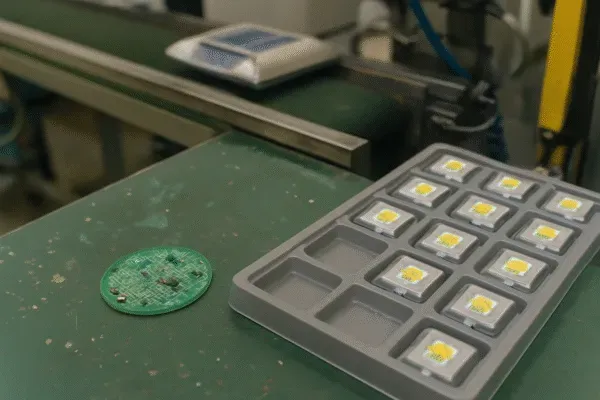
I always start with the solar cell, because every watt-hour comes from this surface. I check the cell type, visible area, and claimed efficiency, and I compare them with realistic local sun hours. I also pay attention to how the factory seals the panel, because dust and moisture slowly block light and reduce power.
Here is a simple comparison I often use on site:
| Solar Cell Type | What I See in Projects | When I Choose It |
|---|---|---|
| Monocrystalline silicon | Higher output in a small area, higher price | Tight spaces and strict safety requirements |
| Polycrystalline silicon | Good output and stable cost | Standard solar road studs for highways |
| Thin-film | Lower output, flexible and cheaper | Only for very low-power special designs |
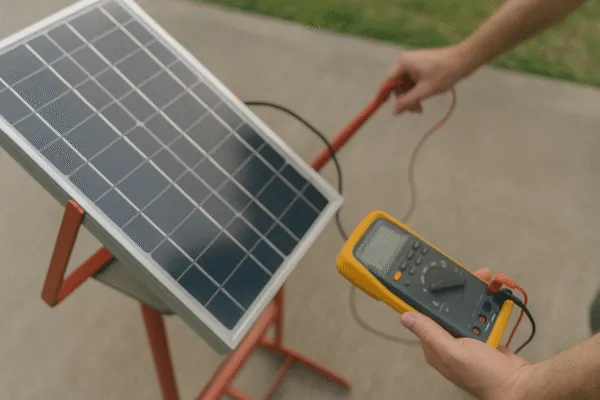
So I ask for I-V curves and outdoor tests, not only lab reports. I then see how the panel behaves at high temperature and low light. In many field measurements, I see a gap between catalog numbers and real roadside performance, so I always double check with my own data and photos.
How I Look at LEDs, Optics, and Driver Boards
The LED system decides what drivers actually see, so I never treat it as a simple colored dot. I measure brightness at driver eye height, and I check how the beam spreads along the lane line. Guidance on road surface markings and raised markers shows how good optics improve night visibility and safety.
| LED Factor | What I Check in the Field | Why It Matters for You |
|---|---|---|
| Lumen output | Brightness at 10–20 meters distance | Long-range visibility on highways and ramps |
| Color and pattern | Red, amber, white, blue, flashing or steady | Compliance with local rules and driver habits |
| Beam angle | Side view and front view | Clear guidance in rain, fog, and on bends |
| Driver board | Heat level and constant current control | Stable brightness and longer LED life |
I also study lens material and shape. Many strong suppliers use optical-grade PC or PMMA lenses to direct the beam efficiently. So they get more useful light from the same watt. At the same time, I use our know-how from plastic parts to review lens strength, UV stability, and molding quality.
How I Choose the Right Battery and Charging Strategy
The battery works as the heart of the stud at night, so I treat it as a main cost and risk factor. I always ask about chemistry, capacity, cycle life, and the protection logic built into the controller. Then I connect these details with our housing and heat design experience from CNC parts and casting parts.
| Battery Type | What I See in Practice | When I Recommend It |
|---|---|---|
| Ni-MH | Stable, good value, medium energy density | Normal climates and general highway projects |
| LiFePO4 | Long cycle life, better high-temp behavior | Hot regions, busy roads, tunnels and airports |
| Other Li-ion | High capacity but needs extra protection | Special designs with very tight space |
So I test run time after one full sunny day and after several cloudy days. I then see how many hours of safe brightness the stud can give in real life. When the solar panel area, battery capacity, and LED current stay balanced, the system remains reliable for many years, not just one season.
How Weather Conditions Affect Solar Road Stud Performance—and How to Choose the Right Model?
Many clients tell me they used one standard model for every climate, and then winter exposed hidden weaknesses. In snow regions, studs stayed dim after a few dark days. In tropical zones, batteries aged too fast under heavy heat. So I built a simple climate-based method that any engineer or buyer can apply without complex tools.
Weather changes how much energy a solar road stud receives and how much stress it faces. Sun hours, rain, dust, snow, fog, and temperature all affect charging, discharging, and sealing. When I match a model to climate data and local road conditions, I cut early failure risk and reduce emergency repairs. Road safety manuals also point out that safe roads need designs that match local risk and human limits, not only global averages.([Highway Safety Manual][3])
How I Use Climate Data When I Select a Model
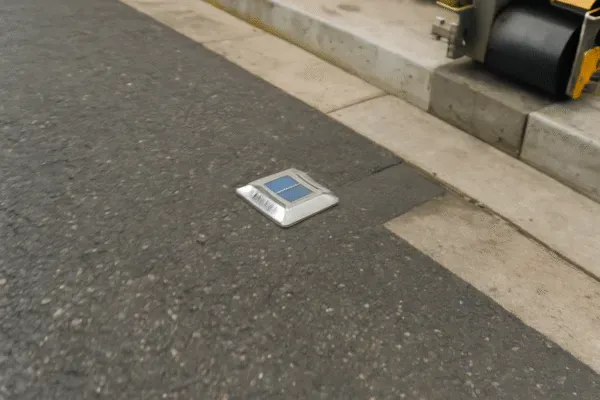
I always start with a simple climate profile. I look at average sun hours, seasonal changes, and typical extreme events. Then I compare these numbers with the claimed backup days and the battery chemistry that the OEM solar road stud supplier plans to use.
| Climate Type | What I Observe | Design Focus for the Stud |
|---|---|---|
| Tropical, humid | Many cloudy days and strong rain | Larger panel, IP68 sealing, anti-fog housing |
| Desert, hot | Strong sun, high heat, dust and sand | Heat-resistant battery, UV-stable materials |
| Temperate | Clear seasons, medium rain and fog | Balanced panel size and smart dim modes |
| Snow region | Long dark winters and snow cover | High-capacity battery and power-saving logic |
I also ask about pollution and dust levels. On some industrial roads, heavy dust builds a gray film on panels in just a few weeks. So I plan for either cleaning cycles or extra energy margin. Experience from stamping parts in harsh environments helps me judge how fast dirt and corrosion can grow.
A Simple Four-Step Process I Use With Buyers
To keep things easy, I use a four-step process that any project team can follow.
| Step | What We Do Together | Result for the Project |
|---|---|---|
| 1 | Map climate, sun hours, and road type | Shared view of worst-case conditions |
| 2 | Choose solar panel size and battery chemistry | Shortlist of suitable solar road stud models |
| 3 | Simulate backup days and dim modes | Proof that winter and rain are covered |
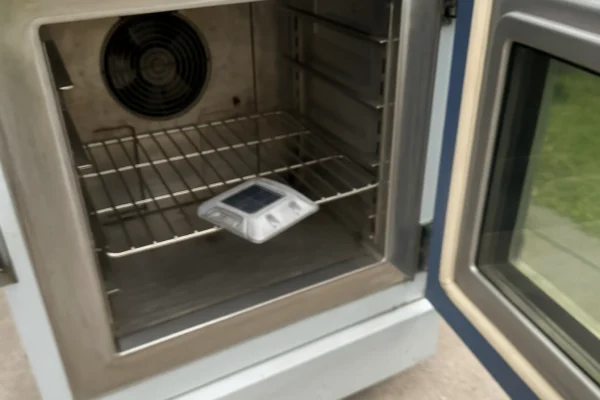
| 4 | Run outdoor sample tests for 2–4 weeks | Real data and photos for management |
So you do not need a full research lab to make a smart choice. You just need open climate data, honest spec sheets, and a supplier who shares real test results and accepts field feedback.
Real-World Evidence From Existing Guidance
When I talk with road authorities and consultants, I also look at public material. The World Road Association (PIARC) Road Safety Manual explains how safer roads depend on infrastructure that matches traffic, climate, and user behavior.
Guidance from the U.S. Federal Highway Administration on pavement markings and retroreflectivity shows how clear, visible markings reduce crash risk at night.I apply the same thinking to solar studs: I plan for reliable visibility under the worst light and weather, not the best.
IP Rating, Load-Bearing Strength & Material Options: What Engineers Must Know?
When I joined my first highway safety project, I thought “waterproof and strong enough” sounded clear. After the first winter, some studs fogged inside, and a few cracked under truck loads. I learned that I needed exact IP ratings, real lab data, and clear material choices, not just general words.
IP rating shows how well a road stud resists dust and water. Load-bearing strength shows how it handles wheels from cars, trucks, forklifts, or aircraft. Material choices, such as aluminum, high-strength PC, and tempered glass, control UV resistance, impact behavior, and long-term clarity. European standards like EN 1463 describe performance and trial methods for retroreflective road studs, so engineers can compare products on a common base.
How I Use IP Ratings in Real Designs
I link IP ratings to real risks, not to a simple idea that higher is always better. On dry inland roads, IP671 solar LED road studs often work well. On tunnels, coastal roads, and low areas where water pools, I push for IP682 with strong sealing and clear test records.
| IP Rating | What It Means in Practice | Where I Use It |
|---|---|---|
| IP65 | Dust tight and protected from water jets | Low-risk yards with good drainage |
| IP671 | Dust tight and safe in short immersion | Standard highways and city streets |
| IP682 | Dust tight and safe in long immersion | Tunnels, coastal roads, airports and low zones |
So I combine IP choices with our packing experience from fasteners, because good sealing needs both design and stable assembly. I also check glue type, screw torque, and case flatness, since a small gap often becomes the first leak point.
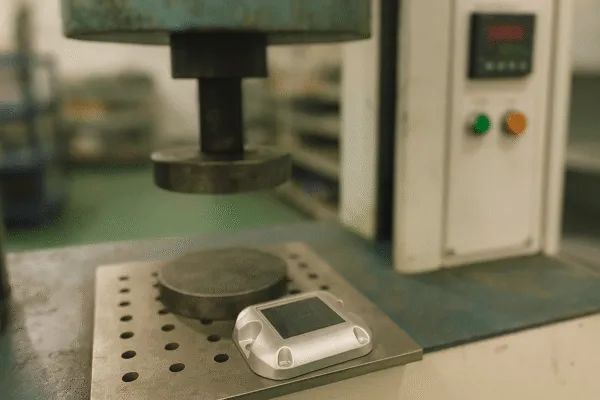
How I Read Load and Material Data Behind the Catalog Line
Many catalogs show a bold “40T” or “60T” note, but they do not explain test speed, cycle count, or safety margin. So I always ask for full test reports, reference to EN 1463 road trials or similar methods, and sample parts that I can inspect myself.
| Factor | What I Ask the Supplier | Why It Matters |
|---|---|---|
| Test method | Static only or static plus fatigue | Real roads apply repeated loads |
| Machine and speed | Press plate size and loading rate | Stress spreads differently across the body |
| Sample size | Number of pieces and failure rate | Shows consistency of production |
| Safety margin | Rated load versus failure load | Protects you from overload in real traffic |
On the material side, I mix my background in metal processing with road safety needs. I compare body and lens choices like this:
| Part | Common Material | My Comment in Real Use |
|---|---|---|
| Housing | Die-cast aluminum | Strong, good heat transfer, higher unit cost |
| Housing | High-strength PC | Lighter, cheaper, needs UV-stable grade |
| Lens | Tempered glass | Very clear and scratch resistant |
| Lens | PC or PMMA | Good optics, watch for surface wear |
So I do not push the most expensive design by default. I match load, climate, and project risk level, then I pick the lowest safe spec that still protects people and budgets.
Cost Drivers and How I Explain Them to Management
Many owners ask me why IP68, LiFePO4 batteries, and aluminum bodies increase price so much. I answer with simple tables and clear logic, not vague words.
| Cost Driver | How It Raises Price | How It Saves Money Later |
|---|---|---|
| Better sealing | More complex process and checks | Fewer water failures and replacements |
| Stronger housing | More material and heavier tools | Less breakage under trucks and forklifts |
| Higher load standard | More lab tests and design time | Lower risk of accidents and complaints |
| Improved battery | Higher cell price and more control logic | Longer life and fewer site visits |
So management teams usually accept a slightly higher spec, because they see the total cost picture, not only the ex-works unit price.
Applications of Solar-Powered Road Studs in Highways, Airports, Tunnels & Industrial Roads?
I spend a lot of time on real sites, and each site teaches me something new. High-speed curves show me how early drivers need to see guidance lines. Airports show me how heavy loads and strict rules shape every detail. Tunnels and industrial yards show me how water, exhaust, and dust stress the sealing and electronics.
Highways use solar road studs for lane guidance, curve warning, and junction marking. Airports use high-load solar studs on taxiways and service roads. Tunnels need bright and robust studs to support or complement fixed lighting. Industrial roads and yards use studs to guide trucks and forklifts safely through busy, dark areas. General resources on markings and raised markers show how such devices support safer systems when they stay visible and consistent.
How I Design for Highways and Rural Roads
On highways and rural roads, drivers rely on clear edge and center lines at speed. Guidance from agencies like the FHWA on pavement markings1 explains how night visibility2 and retroreflectivity reduce crash risk, which matches what I see on my own projects.
| Design Item | What I Check on Site | Road Stud Feature I Choose |
|---|---|---|
| Target speed | Night visibility distance and curve radius | LED brightness and beam angle |
| Accident history | Past crash patterns and risky spots | Denser spacing and strong colors |
| Road surface | Asphalt, concrete, rutting, drainage | Anchoring method and adhesive type |
So in my highway projects, I do not only pick a stud. I build a full layout that supports drivers from one guidance cue to the next, especially at junctions and slip roads.
How I Match Stud Design to Airports, Tunnels, and Industrial Sites
Airports place strong demands on every small part on the pavement. Taxiway studs face high wheel loads, jet blast, and strict rules on foreign object damage. Tunnels and underpasses face constant moisture, exhaust, and limited access for maintenance. Industrial roads mix truck wheels, forklifts, oil, and sometimes chemicals on the pavement surface.
| Site Type | Main Risk I Watch | Road Stud Focus |
|---|---|---|
| Airport | Heavy aircraft loads and FOD risk3 | Very high load rating, flush and smooth body |
| Tunnel | Water, fog, and low visibility | IP684, strong brightness, easy access points |
| Factory yard | Mixed traffic, oil, and dust | Robust housing and sealed lens |
| Port and dock | Salt, moisture, and container trucks | Corrosion resistance and strong anchoring |
So I align these needs with our production strengths in metal parts and plastic components. I then design housings and anchors that resist both mechanical stress and environmental attack.
How I Help Buyers Turn an Idea Into a Clear Spec
Many first emails I receive only say “solar road studs needed, send best price.” I know that behind this short line there is a complex project. So I guide the buyer through a clear spec process5.
| Step | My Question to the Buyer | What We Fix in the Spec |
|---|---|---|
| 1 | What is the exact road type and speed? | Highway, airport, tunnel, or yard classification |
| 2 | What is the climate and water risk? | IP rating and material choice |
| 3 | What vehicles use the road? | Load rating and anchoring |
| 4 | What rules and colors apply? | LED color, pattern, and control mode |
| 5 | What tests do you need before mass order? | Sample size, trial length, and data format |
So this process feels simple, but it saves us from misunderstandings, hidden costs, and rushed changes later. It also gives your team a clear document for internal approval and for supplier comparison.
FAQ: Solar-Powered Road Studs for Engineers and Buyers
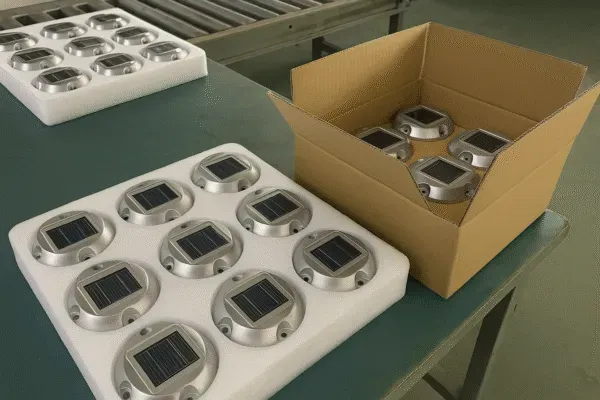
1. How long do quality solar-powered road studs usually last?
In my experience, good solar road studs run three to five years as a basic level. With LiFePO4 batteries, strong sealing, and matched electronics, life can reach five to eight years. Real life depends on climate, traffic load, and maintenance, so I always design extra margin on energy and structure.
2. What standards and guidelines should I ask suppliers about?
For many European and international projects, I ask suppliers about EN 1463 parts 1 and 2 or similar national standards for road studs. For quality management, I prefer factories that run an ISO 9001 quality management system and can show valid certificates. ISO 9001 is the best known global standard for structured quality systems.
3. How many samples should I test before mass production?
I like to test at least twenty to fifty pieces for each project type. I ask the client to place them in the most critical locations, such as curves, junctions, and dark stretches. Then we observe brightness, charging, bonding, and sealing for at least two to four weeks. We record data, take photos, and share clear reports with both teams before we confirm any large order.
4. How do I choose between IP67 and IP68 for my project?
If your project sits on a standard urban road or highway with good drainage, IP67 solar road studs usually work well. If your site lies in a tunnel, on a coastal road, or in a low area where water stands for long periods, I recommend IP68 solar LED road studs with proven immersion tests. In any case, I ask for clear lab reports and sometimes third-party inspection to verify the claim.
5. How do solar studs compare to traditional reflective studs?
Traditional reflective studs rely on vehicle headlights, so their performance drops in heavy rain, fog, or complex curves. Active solar road studs emit light themselves, so they stay visible from longer distances and in more conditions. A neutral overview of raised pavement markers on Wikipedia explains how these devices work in general. I then apply these same ideas to active solar studs and add battery and control logic on top.
6. What main cost factors should I consider beyond unit price?
I always look at four cost blocks: unit price, installation cost, maintenance cost, and risk cost. Higher-spec studs with better sealing and stronger batteries raise unit price, but they reduce maintenance visits and failure-related risks. Good planning of spacing and layout also saves installation work over time, especially when we coordinate with line painting teams who follow MUTCD or similar guidance.
7. How do you control quality when you export from China?
At Prime, I start from clear drawings and approved samples. For many automotive-style and safety projects, we follow a PPAP-style flow with process flow charts, control plans, and sample approval stages. We support customers who need documentation that matches their own APQP and PPAP systems.
Our factory runs an ISO-based quality system aligned with ISO 9001 guidance from ISO and technical groups like ASQ’s ISO 9001 overview. We use incoming checks, in-process checks, and final tests for each batch.
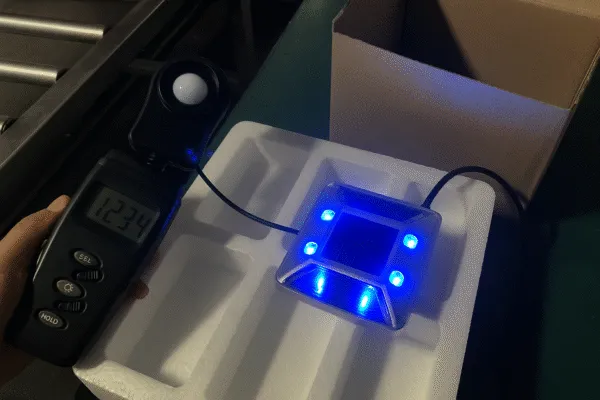
For solar road studs, we add aging tests, waterproof tests, and sampling load tests. I share full inspection reports, photos, and packing records before shipment. I also like to share delivery stories, such as highway projects where we met tight shipping windows and still passed third-party inspection on the first attempt.
Conclusion
Solar road studs need smart design, proven tests, and a supplier with real field experience behind each offer.
If you plan a new highway, tunnel, airport, or industrial road project, I invite you to talk with our team at Prime now. We operate an ISO-certified factory with ten production lines, so we control quality, timing, and packing from raw material to final shipment. You can send us drawings, RFQs, or even a simple idea, and we will reply with free professional consulting, a clear technical proposal, and a fast, competitive quote.
Explore this link to understand how pavement markings enhance safety and visibility on roads. ↩
Learn about the importance of night visibility in reducing accidents and improving driver guidance. ↩
Understand the implications of FOD risk in airport operations and how to mitigate it effectively. ↩
Find out how IP68 ratings ensure product reliability in harsh conditions, crucial for road safety. ↩
Explore the clear spec process to streamline project communication and avoid costly misunderstandings. ↩