Struggling with high production costs and slow growth? Manufacturing is complex, but contract manufacturing offers a powerful alternative to get your product to market faster and more affordably.
Contract manufacturing1 is when you hire a third-party factory, like us at Prime, to produce your products. This lets you use our expert teams, advanced equipment, and established supply chains2 without the huge cost of building your own factory. It's a smart way to scale efficiently.
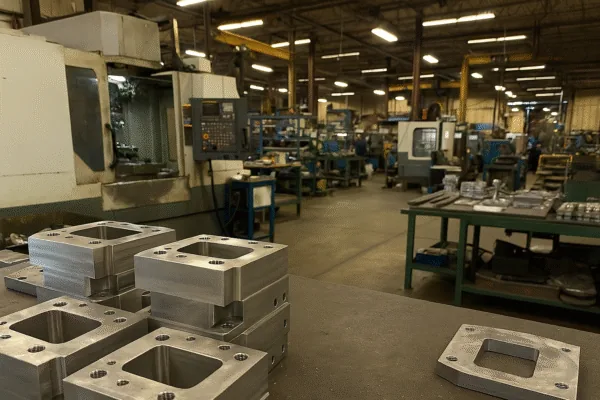
This model can seem like a big step, especially if you're used to doing everything in-house. I've been in this industry since 1993, and I've helped hundreds of companies, from startups to large corporations, navigate this process. It's not just about finding the cheapest quote; it's about finding a true partner. Let's break down exactly what this means for your business.
Why is contract manufacturing key to modern supply chains?
High overhead costs1 and slow production are killing your margins. You see competitors launching products faster and cheaper, and it feels impossible to keep up. Contract manufacturing2 gives you the agility you need.
It's key because it turns your business from a capital-heavy model into a flexible one. Instead of owning factories, you access specialized expertise and economies of scale on demand. This simplifies your supply chain, cuts costs, and lets you focus on innovation and growth.
When you decide to work with a contract manufacturer1 (CM), you are fundamentally changing your business structure2 for the better. I've seen it happen time and again. A client comes to us with a great product idea but is overwhelmed by the cost of machinery and skilled labor. By partnering with us, they instantly unlock benefits that would have taken them years to build on their own.
Focus on What You Do Best
Your strength is in designing, marketing, and selling your product. Our strength is in making it efficiently and to the highest quality. A partnership allows each of us to focus on our core competencies. You handle the brand and customer relationships, while we handle the complexities of production.
Reduce Financial Risk
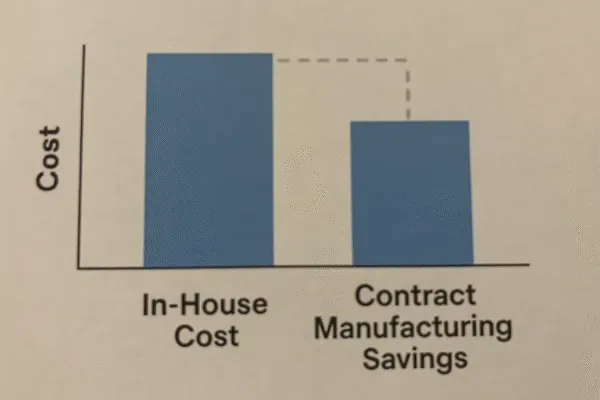
Below is a simple breakdown of the financial difference. Building a factory is a massive capital expenditure. Working with a CM turns that into a manageable operational expense.
| Cost Factor | In-House Manufacturing | Contract Manufacturing |
|---|---|---|
| Initial Investment | Very High (Buildings, Machines) | Low / None |
| Labor Costs | High (Salaries, Training) | Included in piece price |
| Maintenance | High & Unpredictable | None (Our responsibility) |
| Scalability | Slow & Expensive | Fast & Flexible |
This shift allows you to invest your capital into areas that grow your business, like marketing and R&D, instead of tying it up in brick and mortar.
What are the pros and cons of contract manufacturing?
You see the benefits, but you're worried about the risks. The thought of losing control over your product's quality or having your designs stolen is a real fear. Understanding both sides helps you make a smarter decision.
The main pros are significant cost savings, faster scalability, and access to specialized expertise. The cons can include risks to your intellectual property (IP), challenges in quality control, and potential communication hurdles. A strong contract and a trusted partner are essential to manage these risks.
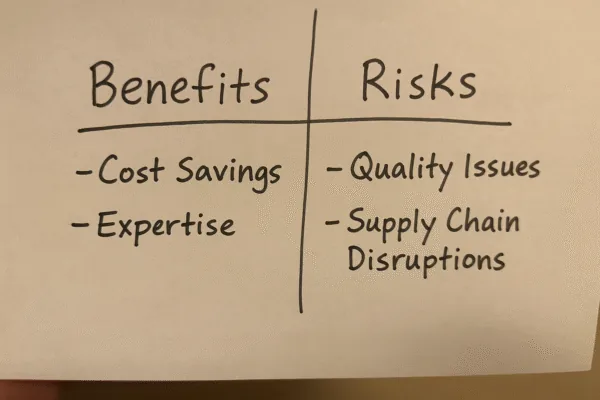
Over my 30 years in business, I've learned that success in contract manufacturing comes from being realistic. It’s not magic; it’s a business partnership that requires diligence. Let’s look at the advantages and the potential pitfalls you need to manage.
The Major Advantages
- Faster Time-to-Market: We already have the production lines, skilled workers, and supply chains ready to go. This means we can move from prototype to mass production much faster than you could if you were starting from scratch.
- Supply Chain Simplification: We handle the sourcing of raw materials, managing multiple vendors, and the logistics of production. Your supply chain is simplified to one point of contact: us.
- Increased Flexibility: Need to quickly increase or decrease production volume based on market demand? A good CM can adjust production schedules to meet your needs without you having to hire or fire staff.
Potential Risks and How to Avoid Them
- Intellectual Property (IP) Risks: A common concern is that a factory might steal your design. Solution: Always have a strong Non-Disclosure Agreement (NDA) and a comprehensive manufacturing agreement in place before sharing any sensitive designs. Work with reputable, long-standing companies like ours that value their reputation.
- Quality Control Challenges: When production is happening miles away, you worry about quality. Solution: Choose an ISO 9001 certified partner. This certification means we have a proven, internationally recognized quality management system. You should also agree on detailed quality inspection criteria before production begins.
How does the contract manufacturing process actually work?
The idea of working with an outside factory1 can seem complicated and intimidating. You might worry about making a mistake, causing delays, or facing hidden costs. A clear, step-by-step process2 removes the guesswork.
The process begins with your Request for Quotation (RFQ)1. From there, we create a contract, analyze your design for manufacturability (DFM)2, produce prototypes, source materials, begin mass production with strict quality control, and finally, handle all packaging and logistics.
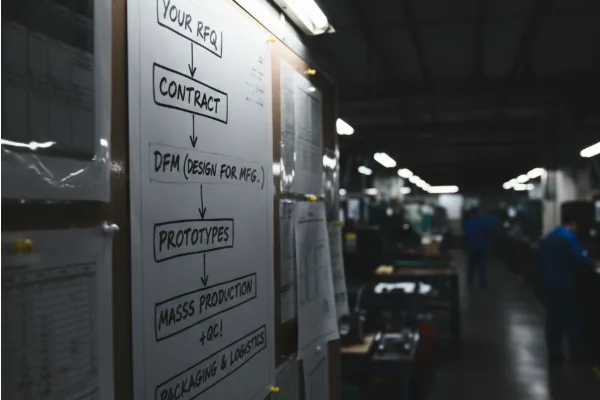
A smooth production run is all about having a solid plan. A disorganized process leads to mistakes and delays, which costs everyone money. At Prime, we have refined our process over three decades to make it as transparent and efficient as possible for our clients. Here are the key steps you should expect when working with any professional CM.
The 6 Key Steps from Idea to Delivery
-
Request for Quotation (RFQ) & Evaluation: You send us your technical drawings, quantity requirements, and material specifications. We evaluate your project and provide a detailed quote. This is our first chance to talk about your goals.
-
Contract & Agreement: Once you approve the quote, we sign a comprehensive manufacturing agreement. This legal document protects both parties and outlines all project terms, including pricing, delivery schedules, and IP rights.
-
Design for Manufacturing (DFM) & Prototyping: This is a critical step. Our engineers analyze your design to identify potential manufacturing issues. We might suggest small changes to improve quality or reduce costs. Then, we create prototypes for you to test and approve.
-
Material Sourcing & Management: With our established network, we source the highest quality raw materials at competitive prices. We handle all the procurement and inventory management.
-
Manufacturing & Quality Control: This is where your product comes to life. Our teams handle the production, whether it's stamping, CNC machining, or casting. Our quality control team inspects an agreed-upon percentage of parts at every stage to ensure they meet your exact specifications.
-
Packaging & Logistics: After a final quality check, we package your products according to your requirements to ensure they arrive safely. We manage the entire logistics process, from our factory floor to your chosen destination.
How do you choose the right contract manufacturer?
Selecting the wrong manufacturing partner can be a disaster for your business. You risk getting poor-quality products, missing your market window due to delays, and ultimately losing money and customers. Using a clear checklist can help.
To choose the right partner, look far beyond the price. You must evaluate their technical skills, quality systems like ISO 9001, industry experience, and communication. A stable partner with a strong, tested supply chain is critical for a successful long-term relationship.
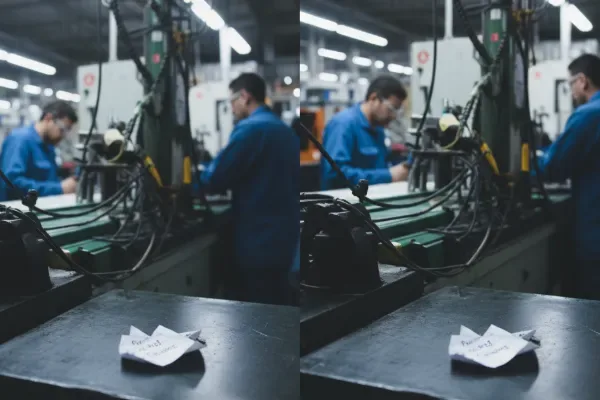
I’ve met buyers like Kevin from the U.S. who have been burned by factories that promised the world for a low price. The reality is, a good partner acts as an extension of your own team. They communicate clearly, solve problems proactively, and are committed to your success. Price is important, but reliability is priceless. To help you make the right choice, here are the core criteria you should use to evaluate any potential manufacturing partnerr](https://www.mrpcorp.com/how-to-identify-the-right-manufacturing-partner-qa/).
Key Evaluation Criteria
- Technical Capability & Equipment: Do they have the right machinery and technology for your specific product? Ask for a list of their equipment and cross-reference it with your project's needs.
- Quality Management System: Are they certified with internationally recognized standards like ISO 9001? This is non-negotiable. It proves they have a reliable process for maintaining quality.
- Industry Experience: Have they made parts for your industry before? A manufacturer with experience in automotive parts, for example, will understand the tight tolerances and specific materials required. Ask for case studies or examples.
- Communication & Project Management: Is their team fluent in your language? Do they assign a dedicated project manager to your account? Clear and prompt communication is the number one thing that prevents problems.
To make it easier, here's a table of questions you should ask:
| Criterion | Key Question to Ask |
|---|---|
| Technology | Can you provide a list of your primary manufacturing equipment? |
| Quality | Can you share your ISO 9001 certificate and recent quality reports? |
| Experience | Can you show me examples of similar parts you've made for other clients? |
| Communication | Who will be my single point of contact, and how do you handle progress updates? |
| Financials | How long have you been in business, and can you provide trade references? |
Conclusion
Contract manufacturing offers incredible benefits for scaling your business. By choosing the right partner and following a clear process, you can grow efficiently while avoiding the most common pitfalls.