
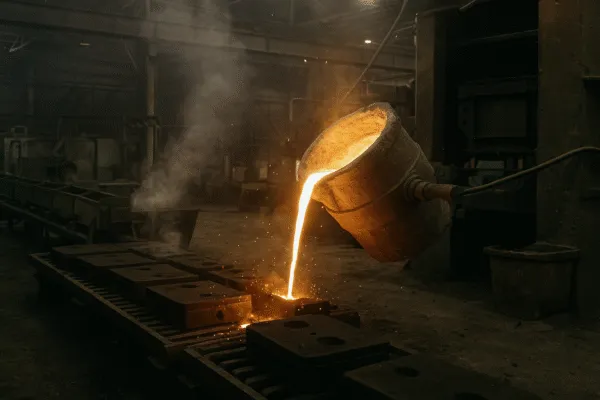
Many buyers chase cheap casting spare parts, but hidden defects quietly destroy profit, brand trust, and team energy.
Cheap casting prices often ignore material control, process stability, and long term reliability. Real cost includes scrap, rework, downtime, express freight, and customer claims. Quality experts group these losses under Cost of Poor Quality, which combines internal and external failure costs. When we measure the full life of a project, stable ISO based casting suppliers usually save more than the cheapest quote.
I work every week with buyers who first chose the lowest casting price and then came back with urgent crises. So in this article, I share what I see inside failed cheap castings and how I build a real cost model. I also show how to judge casting suppliers from both buyer and factory views, including ISO, PPAP, and delivery practice.
Why do cheap casting spare parts fail so often?
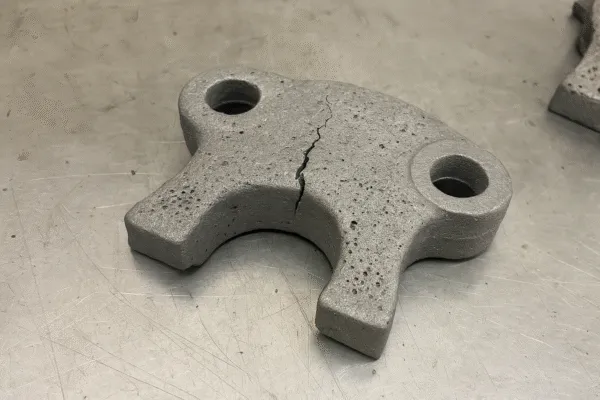
Many buyers feel proud after they secure a record low casting price for a new project. Soon, the same buyers send me photos of cracked housings, leaking valve bodies, or distorted flanges. The parts passed basic warehouse checks, yet they fail under load, pressure, or vibration at the customer site. So I always ask which material, tooling, and process changes the supplier used to reach that low price.
Cheap casting spare parts usually fail because suppliers relax control on scrap mix, molding practice, and inspection depth. Industry groups like the American Foundry Society show how poor control leads directly to porosity, shrinkage, and other critical defects. These defects stay hidden at first, but they reduce fatigue strength and sealing performance in real operation.
I often see this pattern when clients move projects from unstable shops to our plant at Prime. They first chased “best price,” then lost weeks fighting returns and emergency shipments. After that pain, they start to ask for stable custom casting spare parts instead of another round of price bidding.
What I see inside failed cheap castings
When I cut failed castings with client engineers, I rarely see one single huge mistake. Instead, I see many small shortcuts across melting, pouring, cooling, cleaning, machining, and packing. Workers rush because output targets increase. Supervisors record fewer parameters. Sand moisture and metal temperature drift from batch to batch. So variation grows, and defects appear later inside your customer plant.
On one pump housing project, a customer lost almost a full week of production because housings cracked near the sealing area. Metallographic checks showed gas and shrinkage porosity close to the sealing face. We compared this pattern with defect training material from AFS casting defect analysis. The root causes matched classic problems: poor sand control and unstable pouring practice. The original low cost supplier had no clear records or structured method to fix this.
In Prime, we rebuilt the process using a simple ten step defect analysis approach, similar to what AFS teaches. We locked key parameters, added spectrometer checks, and ran PPAP style approval with full sample reports. After launch, scrap dropped, and the client accepted a slightly higher unit price because downtime almost disappeared. For me, this shows why stable CNC machining parts and casting supply beat a random cheapest quote.
How material choices change failure risk
I notice that many buyers focus only on material names on the drawing. They ask for “ductile iron” or “stainless steel” but do not discuss chemistry windows, heat lot control, or traceability. However, those details decide whether a casting survives real load and corrosion. A general overview of casting basics from neutral sources like Wikipedia’s casting article can help non engineers understand the complexity behind a simple part number.
Below is how I explain material risk and benefit during sourcing calls.
| Material type | Typical use cases | Risk with uncontrolled cheap supply | Benefit with controlled ISO based source |
|---|---|---|---|
| Grey cast iron | Housings, covers, brackets | Random hardness, porosity, and cracking near hot spots | Stable strength and good machinability with recorded chemistry |
| Ductile iron | Pressure parts, flanges | Low ductility from poor nodularization and cooling practice | Reliable elongation and impact resistance |
| Carbon steel casting | Structural and safety components | Brittle zones and weld cracks from high impurities | Predictable weldability and fatigue strength |
| Stainless casting | Corrosive or hygienic applications | Pitting and staining from wrong alloy balance and contamination | Strong corrosion resistance and clean surfaces with defined alloys |
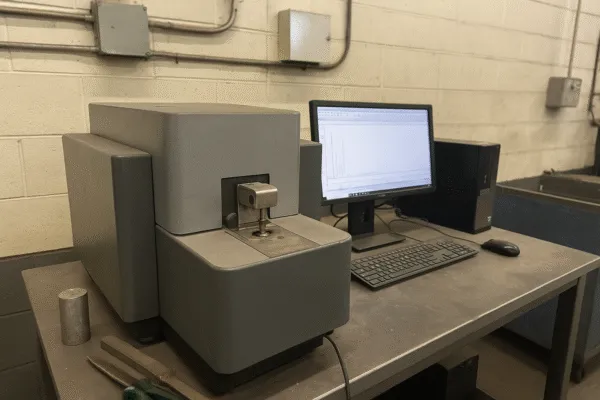
At Prime, we link each heat to a spectrometer report and keep that record in our ISO based quality system. Global standards like ISO 9001 quality management define this process approach and stress traceability, risk thinking, and continual improvement. This system gives buyers more confidence, because they see data instead of vague promises.
How does a low casting price raise your total project cost?
Many purchasing systems highlight unit price in bold while they hide scrap, rework, and downtime in other cost centers. So cheap casting spare parts often look perfect in procurement reports but terrible in production and service reports. Quality experts call this gap the Cost of Poor Quality. They show how scrap, rework, returns, and warranty claims can consume a large share of annual revenue.
Real casting cost includes unit price, tooling, packaging, freight, inspection effort, scrap, rework, extra freight, and customer impact. Procurement teams use Total Cost of Ownership to sum these elements over the full life of a contract. When we use this view, stable ISO based suppliers often deliver lower yearly cost than very cheap sources.
In my spreadsheets, I add expected defect rates, emergency shipment probability, and likely downtime hours. I then compare “cheap supplier A” against a more stable factory like Prime. Often, the “expensive” partner wins clearly once I add all effects across one year. Tools like a COPQ calculator from respected quality sites help buyers visualize these impacts in money.([Leanmap][8])
My simple total cost calculator for casting spare parts
I like to keep the evaluation model simple, so buyers can update numbers after each review. This is the structure I normally use when I compare casting quotes.
| Cost layer | Items included | Cheap unstable supplier | Stable supplier like Prime |
|---|---|---|---|
| Direct cost | Unit price, tooling, packaging, standard freight | Lowest unit price | Competitive and transparent unit price |
| Quality cost | Scrap, rework, sorting, lab tests | High and hard to predict | Low, with data and trend tracking |
| Delivery cost | Air freight, split shipments, safety stock | Frequent urgent shipments | Planned sea shipments and lower safety stock |
| Coordination cost | Extra meetings, travel, engineering support | Many urgent calls and late night talks | Fewer crises and more structured project reviews |
| Customer impact | Penalties, returns, lost orders | Real risk to key accounts | Protection and often growth of key accounts |
Studies on Cost of Poor Quality in manufacturing show that quality related losses can reach double digit percentages of sales for average plants. At Prime, we track these costs monthly and link them to concrete actions in our lines. We use these insights to improve not only casting but also stamping metal parts, CNC machining parts, and industrial fasteners. So our buyers see a stable pattern across all categories.
Total cost depends strongly on how your casting supplier runs daily processes and controls variation. I focus on three elements during each audit: clear process steps, measurable control points, and fast reaction plans. Quality management guidance from ISO and professional bodies supports the same ideas.([iso.org][2]) Below is a simple overview that I use when I explain process discipline to non technical managers.
| Process step | Key control point | Cost risk if weak | How Prime manages it |
|---|---|---|---|
| Order review | Drawing, tolerance, and volume check | Wrong quotes and late design changes | Cross checks by sales, engineer, and planner |
| Tooling and pattern | Design, trial runs, sample approval | Many reworks and slow project launch | APQP style reviews and documented PPAP samples |
| Melting and pouring | Temperature, chemistry, pouring speed | Porosity, shrinkage, and high scrap | Recorded parameters and spectrometer checks |
| Cleaning and machining | Dimensional control and surface quality | Rework and slow assembly at client site | CNC fixtures and regular gauge calibration |
| Final inspection | Critical dimensions and pressure or leak tests | Field failures, returns, and penalties | 100% checks on key points for sensitive projects |
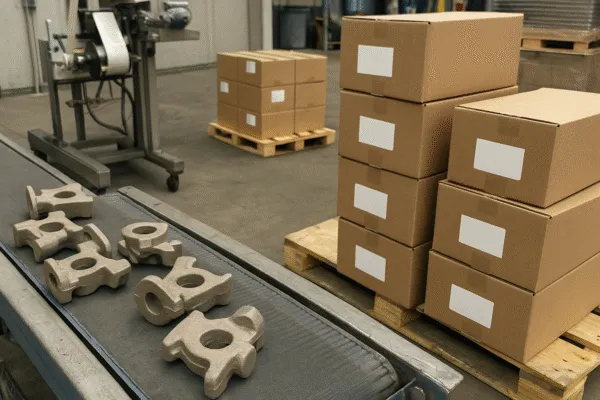
| Packing and shipping | Labeling, protection, and loading plan | Damage, mix ups, and arrival delays | Export grade packing and stable global logistics |
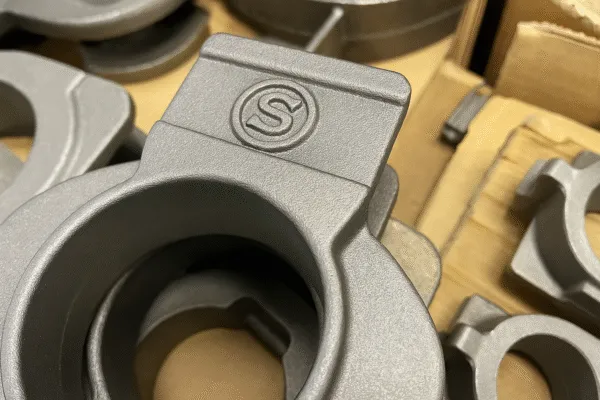
When buyers see this full chain, they understand why we do not race to the rock bottom on price. We instead design a stable environment where casting, machining, and packing support each other. This structure helps traders and OEMs who sell Siemens electronic parts and related assemblies. They need reliable casting and CNC machining parts around those core products, not seasonal surprises.
How can you choose a casting spare parts supplier you really trust?
Many buyers tell me they feel lost after three or four factory tours. Every supplier shows sample shelves and says “We can do anything.” However, only a few plants share real quality data, PPAP files, or failure case histories. So buyers ask me for a simple way to tell a strong partner from a risky one.
A trustworthy casting supplier runs a mature quality management system, shares data openly, and supports structured problem solving. International standards like the ISO 9000 quality management family describe these systems and stress customer focus and continuous improvement. Industry groups like the American Foundry Society publish training on defect analysis and process control that serious foundries often follow.
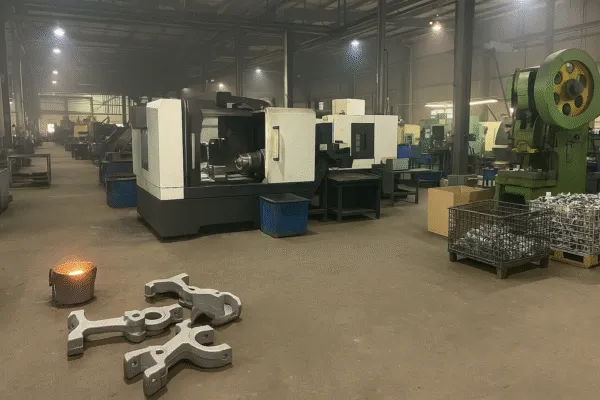
In our plant, I invite visitors to walk through pattern making, molding, pouring, shakeout, machining, CMM, and packing. We show them ISO certificates, internal audit plans, and PPAP samples for sensitive projects. We also explain how we coordinate mixed orders that include custom casting spare parts, stamping metal parts, and industrial fasteners. This full picture helps buyers judge us from both quality and supply chain angles.
My practical supplier scorecard for global casting projects
To make decisions easier, I use a five block scorecard. Each block receives a score from one to five. This method supports the procurement idea of Total Cost of Ownership, which respected institutes like CIPS explain as the sum of all costs over a purchase life.([cips.org][11])
| Category | Key questions for buyers | What a strong supplier like Prime shows |
|---|---|---|
| Technical ability | Can they discuss casting, CNC, and tolerance stack clearly? | Engineers join calls and propose easy to make designs |
| Quality control | Do they share control plans, PPAP, and traceability? | ISO 9001 system, PPAP for key parts, clear records |
| Delivery strength | How do they plan capacity and handle urgent needs? | 10 production lines, flexible slots, realistic promises |
| Communication | Do you get fast, honest, and full replies? | Direct contacts, quick feedback, root cause transparency |
| Cost transparency | Do they explain cost drivers and saving options? | Open quotes and long term cost reduction ideas |
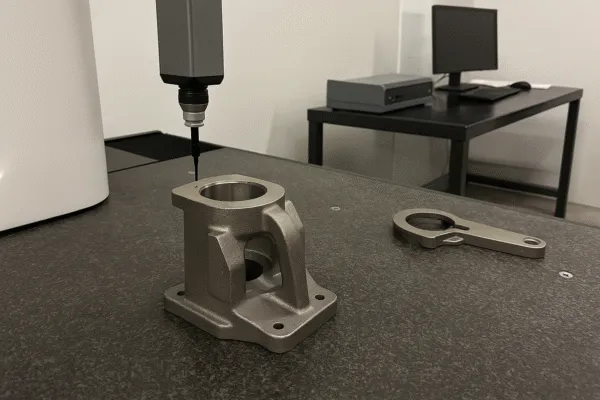
When we score suppliers using this table, many “cheapest” options fall behind quickly. It becomes easier to justify a slightly higher unit price for a plant that runs ISO 9001, uses PPAP where needed, and supports audits. External resources on Cost of Quality from groups like ASQ also help buyers explain this logic internally.
I often send neutral links to buyers so they can show their colleagues that these ideas are standard, not just “supplier talk.” Here are some useful ones:
- ISO 9001 quality management standard for system structure and certification basics
- ISO 9000 family overview for quality principles and terminology
- American Foundry Society defect analysis resources for understanding porosity and shrinkage
- Casting overview on Wikipedia for basic process context in simple language
- ASQ Cost of Quality and Cost of Poor Quality for finance discussions with management
- Investopedia Total Cost of Ownership explanation for general TCO framing
- CIPS guide on TCO for procurement teams in larger organizations
These links give your team neutral language to describe why stable quality and delivery matter as much as price.
FAQs about cheap casting spare parts and global sourcing
What is the real risk of very cheap casting spare parts?
The main risk lies in hidden quality and delivery problems that appear after the first few orders. Cheap suppliers often relax material control, process monitoring, and packing standards. These gaps raise the Cost of Poor Quality through scrap, rework, downtime, and claims.([Autodesk][1]) In my experience, these losses can easily wipe out all savings from the initial price difference.
How can I compare a cheap casting supplier with an ISO certified factory?
You can prepare a simple sheet that lists defect rate, delivery reliability, communication speed, technical support, and unit price. Then you rate each supplier based on real data from trial orders and visits. ISO 9001 certified plants usually show stronger systems, documented procedures, and better traceability. When you add quality and logistics cost, they often win on total yearly value.
Which questions should I ask during a first call with a casting spare parts supplier?
You should ask about main processes, yearly output, main export markets, and part size ranges. Then you ask about ISO status, PPAP experience, average defect rate, and typical lead time. You can also check whether they can supply related stamping metal parts or industrial fasteners. These questions test both technical depth and honesty within a short call.
How do I make sure my casting and CNC parts arrive in good condition?
You should define packing rules in your RFQ and purchase orders, including inner protection, box type, label format, pallet layout, and moisture control. You can request packing photos and loading photos before each shipment. Experienced suppliers propose improvements based on past export cases. At Prime, we show real delivery photos and crate designs during early talks, especially for CNC machining parts and castings that support Siemens systems.
Why is a one stop metal components supplier better for complex projects?
Complex projects often combine casting spare parts, CNC machining parts, stamping metal parts, and custom casting spare parts in one assembly. If you split this work across many small shops, variation and coordination effort grow quickly. A one stop supplier with ISO 9001 and PPAP capability can align drawings, tolerances, and packing across all these items. This approach saves time, reduces risk, and opens more space for joint cost and design improvement in future seasons.
Conclusion
Choose Prime to cut hidden casting costs, stabilize quality, speed delivery, and protect your real long term project profit.