
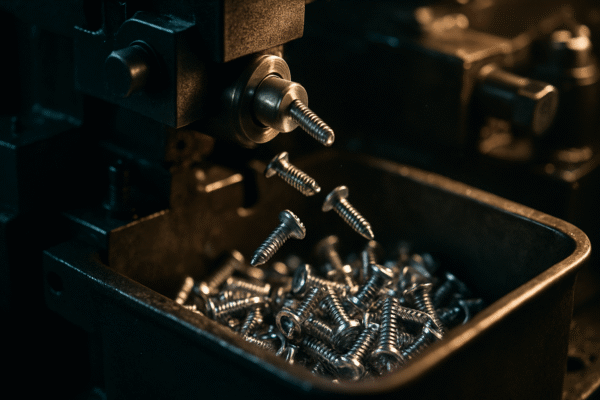
Worried about inconsistent screw quality from China? After three decades of sourcing industrial parts, I've learned that a single bad batch can stop your production line and ruin your reputation. I judge a factory by its quality system1, not its promises. A reliable factory proves quality with a robust system rooted in international standards like ISO 90012. Look for in-house testing, documented process controls, and full traceability records. This is the only way to guarantee consistency in every batch of your custom screws.
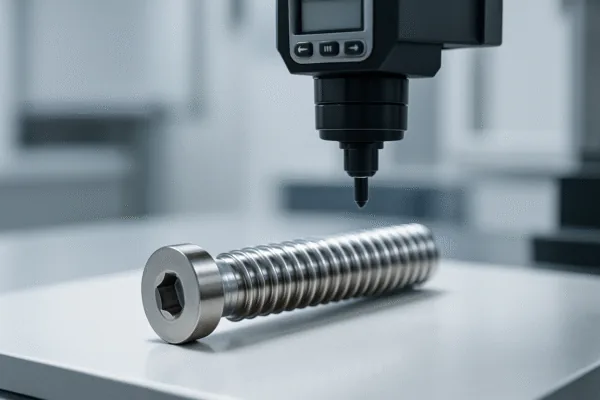
It took me years and a few costly mistakes to learn this. I used to be swayed by slick sales presentations and rock-bottom prices. Now, I know the real story of a factory is written in its test reports, its process documents, and on its shop floor. Let me walk you through my exact checklist, so you can leverage my experience to find a partner you can truly trust.
Does the factory have real testing capabilities like torque, tensile, hardness, and salt spray?
Your screw specification sheet is just a piece of paper. Without verifiable proof, how do you know the screws will actually perform under stress? I insist on seeing test results that conform to recognized, global standards.
A serious factory must have in-house testing equipment. Ask for reports on torque, tensile, and hardness performed to standards like ISO 898-1 for mechanical properties and the methods outlined in ASTM F606. This is non-negotiable proof they can meet your specifications.
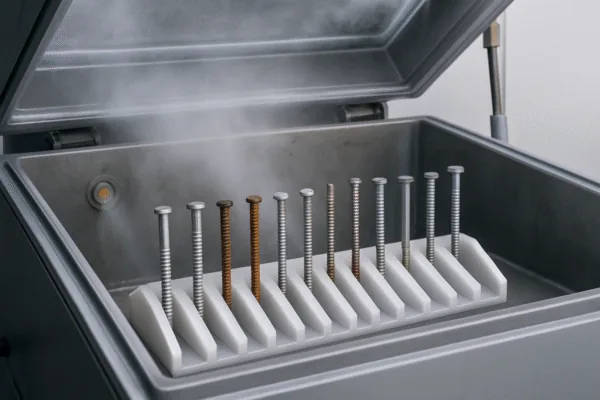
"Good quality" is not a feeling; it's data. My evaluation of any new factory starts in their quality lab. A fast feedback loop is critical. An in-house lab can test parts during production and stop the line immediately if there's a problem. A factory that outsources testing might not get results for days, long after a bad batch is finished. That delay is a risk I am not willing to take.
Key In-House Tests and Their Importance
| Test Type | What It Checks | Consequence of Failure |
|---|---|---|
| Torque & Tensile | The screw's ultimate breaking strength | Catastrophic failure during assembly or in the final product. |
| Hardness Test | Effectiveness of the heat treatment process | The threads could strip, or the head could shear off under minimal load. |
| Salt Spray Test | Durability and thickness of the plating | Premature rust, leading to warranty claims and customer dissatisfaction. |
| Dimensional Check | Conformance to drawing specifications | The screw may not fit, causing assembly line stoppages. |
A factory that proudly shows you its calibrated testing equipment is a factory that invests in its own quality. This is the most important green flag I look for.
How do they control the process from wire rod to packing?
You approved a perfect sample. But the mass production order is a disaster. This is a classic symptom of poor process control. I need to see their entire system documented, from start to finish.
Look for defined quality checkpoints at every stage. This should include incoming wire rod inspection, in-process checks, strict heat treatment monitoring, and final inspection before packing. Each step must have a clear standard and a written record.
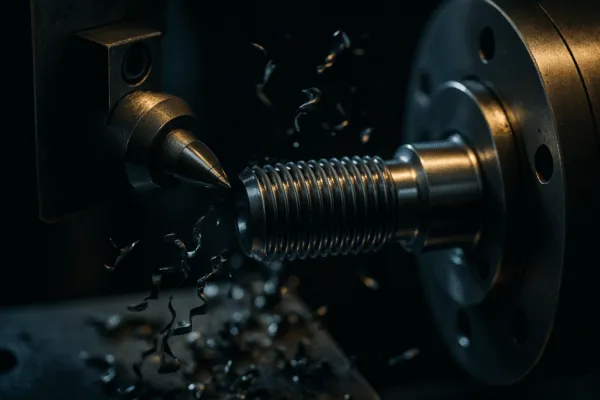
Quality has to be built into the product. I rely on standards published by bodies like the ISO1 and the Industrial Fasteners Institute (IFI) to define our quality benchmarks. A good factory's process mirrors these stringent requirements.
1. Raw Material is the Foundation
The best process in the world can't fix bad material. The supplier must verify what they receive from the steel mill against internationally recognized grades.
| Material Type | Common Use | Key Considerations |
|---|---|---|
| Carbon Steel (1022) | General purpose screws | Requires precise heat treatment2 for strength and plating for rust prevention. |
| Stainless Steel (304/316) | Outdoor or wet environments | Naturally corrosion-resistant but more expensive and requires specialized tooling. |
| Alloy Steel (SCM435) | High-strength applications | Excellent strength after heat treatment2; critical for automotive safety parts. |
2. Manufacturing & Quality Gates
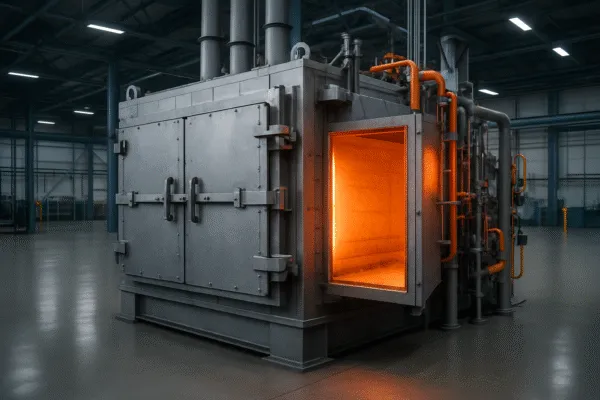
A good factory maps its process with "quality gates." Nothing moves to the next stage unless it passes the current one. It's a precise science of heating, quenching, and tempering—a process known as heat treatment2—to achieve the ideal balance of hardness and toughness. A mistake here can make a screw dangerously brittle.
| Process Step | Action | Quality Control Gate |
|---|---|---|
| 1. Wire Inspection | Raw material coil received. | Verify material certificate, check diameter with micrometer. |
| 2. Heading | Wire is cut and the head is formed. | Hourly checks on head dimensions and for any surface cracks. |
| 3. Threading | Threads are rolled onto the blank. | Go/No-Go gauge checks to ensure proper thread fit. |
| 4. Heat Treatment | Screws are hardened and tempered. | Hardness testing (e.g., Rockwell HRC) on samples from the batch. |
| 5. Plating | Protective coating is applied. | X-ray fluorescence (XRF) test for plating thickness. |
| 6. Final Sorting | Visual or machine inspection. | Remove any remaining defective parts before packing. |
What documentation proves their quality, like PPAP, material certificates1, and traceability records?
A supplier says, "We're sorry, we will improve." That's not good enough. As stated by the principles of the ISO 9001:2015 quality management standard, a systematic approach requires evidence and records.
A professional factory provides a complete paper trail. Demand a Production Part Approval Process (PPAP)2, always require material certificates1, and get detailed inspection reports. Excellent traceability must link a specific box of screws back to the specific raw material batch.
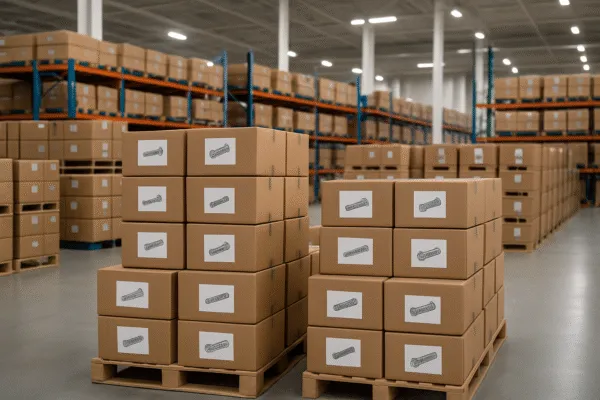
For me, documents are the contract of quality. Traceability is my insurance policy. Imagine a customer reports a failure. With a lot number from the box, I can have the factory trace it back. Instead of recalling 500,000 finished products, we can isolate the single suspect batch of 5,000 screws from a specific production day. This has saved me from disaster more than once.
Must-Have Quality Documents
- PPAP (Production Part Approval Process): The "bible" for a new part. It's a full package proving they can make your part correctly and consistently.
- Material Certificates: Traces the steel back to the mill, certifying its chemical composition. It's your proof they used the correct grade.
- Inspection Reports3: Every shipment should include a report with the actual measurements of samples from that batch, proving they meet your tolerances.
- 8D Reports4: For any quality issue, a professional supplier should provide an 8 Disciplines (8D) problem-solving report, not just an apology. It shows they have a systematic approach to finding and fixing the root cause.
How does quality control link to my real-world costs and customer trust?
You think you are saving 10% with a cheap supplier. But then claims, returns, and production line stoppages start piling up. Your real costs are much higher.
Strong quality control directly reduces your Total Cost of Ownership and business risk. It means fewer line stoppages at your customer's factory and almost no product returns. A reliable supplier actively protects your brand's reputation and bottom line.
The price on the quotation is only one part of the equation. As any experienced purchasing manager knows, the true cost includes all the problems that come with a bad part. A cheap screw that fails can cost me thousands.
Cost of Quality vs. Cost of Poor Quality1
| Cost of Good Quality (Prevention) | Cost of Poor Quality (Failure) |
|---|---|
| Supplier audits & qualification | Customer returns and warranty claims |
| In-process inspection labor | Production line stoppages (yours or your customer's) |
| Proper testing equipment | Reworking or sorting bad batches |
| Good documentation (PPAP) | Damage to your brand's reputation and trust |
A slightly more expensive screw from a supplier with a rock-solid quality system is always the cheaper part in the long run. My job is to manage risk, and this is the best way to do it.
FAQs
What is a reasonable defect rate for custom screws?
For most industrial applications, a factory should achieve under 500 PPM (Parts Per Million). For critical automotive parts, the standard, often guided by IATF 169492, is much lower, sometimes under 50 PPM. If a supplier talks in percentages instead of PPM, they may not be a top-tier manufacturer.
How can I verify a factory's ISO 9001 certification3?
Ask for their certificate and check the certification number and expiry date. You can verify it on the website of the certifying body (like TUV, SGS, or BSI). A valid certificate shows a third-party has audited their quality management system.
What's the main difference between sourcing from a factory versus a trading company?
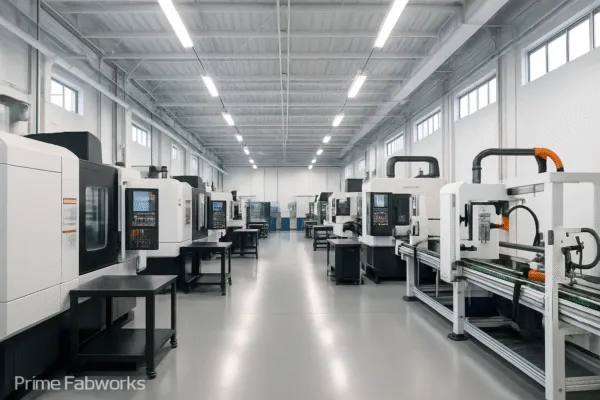
A factory like Prime Fabworks manufactures the parts. We control the quality, process, and lead times directly. A trading company is a middleman. While they offer convenience, you lose transparency and direct control over the systems that actually produce your parts.
How important is tooling for screw consistency4?
Tooling (heading dies and threading molds) is critical. High-quality tooling made from durable materials produces consistent parts for longer. A cheap factory might use low-quality tooling that wears out quickly, causing dimensions to drift out of tolerance. Ask about their tooling maintenance program.
Ready to work with a supplier that understands quality?
Put my experience and Prime Fabworks' proven quality systems to work for you. Let's discuss your project and how we can deliver the consistent, high-quality custom parts your business depends on.
Understanding this concept is crucial for managing expenses and ensuring product reliability. ↩
This standard is vital for quality management in the automotive industry; understanding it can enhance your sourcing strategy. ↩
Verifying ISO 9001 certification ensures the factory meets international quality management standards. ↩
Discover how quality tooling impacts production efficiency and product reliability in manufacturing. ↩