
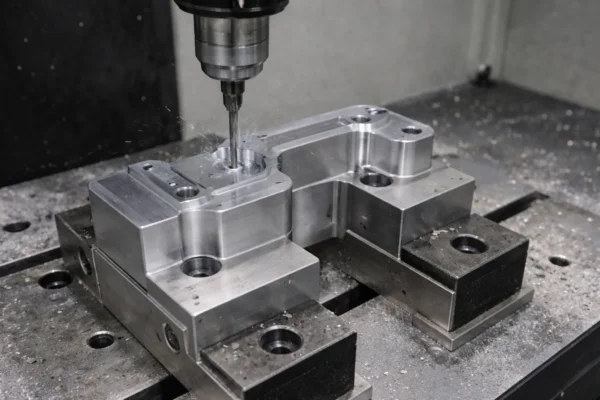
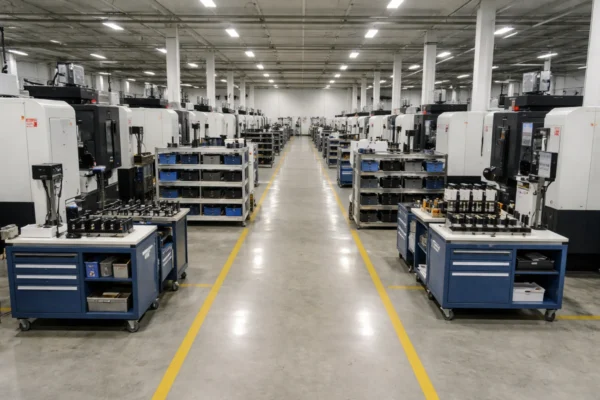
A quote looks cheap on day one. But tight tolerances trigger inspection, rework, and delays. I wrote this guide to remove that surprise.
High-precision CNC machining costs come from setup, measurement, and risk control. Blanket tight tolerances increase CMM time, fixtures, and scrap exposure. A focused DFM review keeps precision only on functional features.
At Prime, I treat a quote like a manufacturing plan. So I show cost drivers in plain language. Then you can control budget and delivery before cutting starts.
What truly drives the cost of high-precision CNC machining?
Many suppliers win RFQs with a low unit price. But later, they add charges for inspection and rework. So we prevent that with a transparent breakdown.
A true cost breakdown includes setup, toolpath complexity, metrology, and a risk buffer. Tight tolerances push time outside the spindle. Clear GD&T intent and functional tolerances cut inspection time and scrap risk.
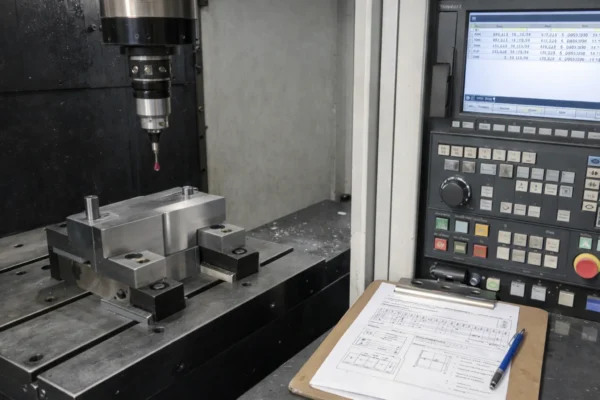
Prime insight: If a quote hides metrology, it hides your biggest risk.
Setup and fixturing decide repeatability first
Setup controls whether parts repeat across the lot. So my team starts with clamp surfaces and operation count. We also plan probing routines for each setup.
These design choices raise setup cost fast:
- Too many flips increase alignment time.
- Thin walls need custom supports and gentle clamping.
- Weak datum faces force extra probing and re-zero steps.
Toolpath complexity adds cost through instability
Complex features force small tools and long reach cuts. So tool deflection rises and surface finish drops. Then the shop slows feeds and adds extra passes.
Watch these cost multipliers:
- Deep narrow pockets and tall ribs
- Sharp internal corners and tiny fillets
- Narrow slots with long tool overhang
- Tool changes across many operations
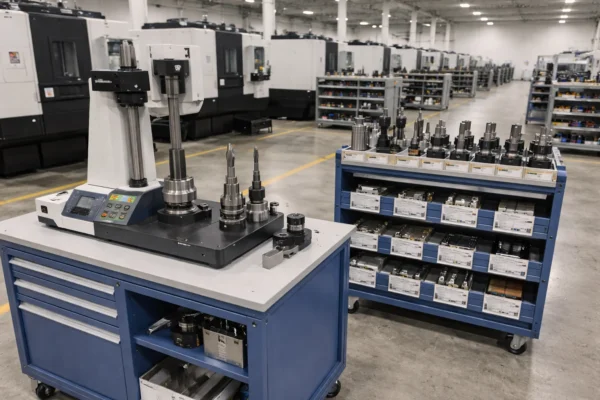
Many “tight tolerance CNC machining services” quotes hide metrology time. Blanket ±0.005 mm notes create long CMM programs. They also increase in-process checks and part handling.
Here is how we map cost drivers to design levers:
| Cost driver | What it looks like on the floor | What inflates it | What reduces it |
|---|---|---|---|
| Setup / fixturing | fixtures, probing, soft jaws | many ops, weak datum faces | clear clamp zones, fewer flips |
| Toolpath complexity | CAM time, special tools | deep pockets, tiny radii | standard radii, open access |
| Metrology | CMM programs, reports | tight everywhere, full reports | key features only |
| Rework buffer | extra parts, reserved time | distortion risk, vague notes | stable geometry, clear intent |
| Packaging | trays, dividers, labels | cosmetic faces everywhere | defined critical surfaces |
Buyer signal: Ask for an itemized quote. A serious factory can explain every line.
Dive deeper: why “machine time” rarely dominates precision cost
I have reviewed thousands of drawings since 1993. And I see the same pattern each year. Buyers compare hourly rates, but precision cost comes from control steps. Setup, probing, and inspection often set the pace.
A part can run a 12-minute cycle and still cost more overall. It may need two setups and a tight datum scheme. So the operator probes, records offsets, and checks drift during the run. That work protects yield, but it still costs time.
When a supplier quotes “inspection included” without detail, you carry risk. You may face charges after the first article. Or you may face silent shortcuts that break assemblies later. So we separate setup, machining, and metrology in our quotes.
I also price risk honestly, not emotionally. Thin walls and long reach pockets raise scrap exposure. So I add a rework buffer unless DFM removes the risk. This approach keeps delivery stable for export buyers.
Below is a simple share range we often see on precision projects. Every part differs, but the pattern repeats.
| Cost slice | Typical share | What pushes it higher | What pulls it lower |
|---|---|---|---|
| Setup and fixtures | 15–35% | many ops, hard clamping | stable datums, fewer flips |
| Machining time | 15–40% | hard materials, long reach | open access, standard tools |
| Metrology | 10–45% | tight everywhere, full reports | key features only |
| Rework buffer | 5–25% | thin walls, heat drift | robust geometry, clean notes |
| Packaging | 2–10% | cosmetic parts, export risk | trays, defined surfaces |
How do tolerances and inspection choices change your final invoice?
Buyers tighten tolerances to avoid assembly risk. That instinct makes sense, but it can backfire. Inspection time and scrap risk can grow faster than machining time.
Tolerances change machining strategy and inspection scope together. Blanket ±0.005 mm tolerances increase CMM programming and measurement time. Functional tolerancing keeps precision where fit and function demand it.
Prime insight: When you buy ±0.005 mm everywhere, you buy CMM hours everywhere.
Functional tolerancing keeps cost aligned with function
We start with one question during RFQ review. “Which dimensions make the assembly work?” Then we tighten only those dimensions.
This choice improves outcomes quickly:
- We reduce measurement features and report size.
- We reduce rework loops and approval delays.
- We stabilize yield across lots and shifts.
A practical tolerance-to-cost map
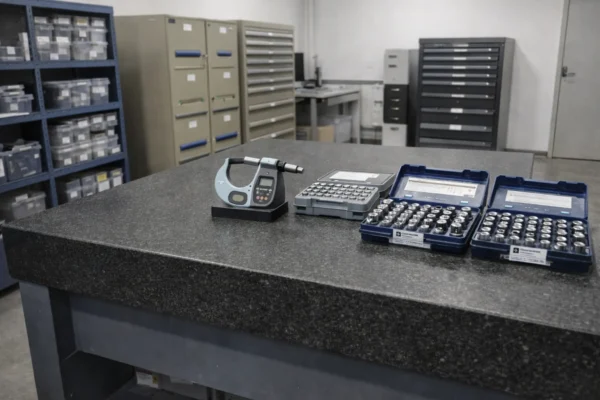
This map helps buyers predict when metrology will dominate the bill. It also helps engineers place tight tolerances with purpose.
| Tolerance band | Common inspection method | What grows fastest | Best use |
|---|---|---|---|
| ±0.10 to ±0.05 mm | calipers, gauges | almost nothing | non-mating features |
| ±0.03 to ±0.02 mm | gauges + selective CMM | setup effort | alignment faces |
| ±0.01 mm | CMM on key features | inspection time | fits and bores |
| ±0.005 mm | CMM + temp discipline | metrology and scrap risk | critical interfaces |
Pick inspection deliverables that match your risk
Some programs need heavy documentation. Others need speed and basic confidence. So we quote both options clearly, with no guessing.
| Deliverable | What you get | When buyers request it | Cost impact |
|---|---|---|---|
| FAI report | full first-piece results | new part or revision | medium once |
| Key-feature CMM report | critical dims only | production lots | low ongoing |
| Full CMM report | many dims each lot | strict audits | high ongoing |
| SPC trend data | control charts | long runs | medium ongoing |
| Gauge photos | visual proof | quick approvals | low |
Buyer signal: If a supplier refuses report samples, you should expect surprises.
Datums cut both machining time and CMM time
Datums create a shared reference frame. So machining and inspection align from the start. Without clear datums, every check becomes a debate.
A strong datum scheme usually includes:
- A primary seating face that matches assembly contact.
- A secondary face or hole that locks rotation.
- A tertiary feature that locks the final axis.
Dive deeper: a “quote rescue” that saved schedule and paperwork effort
A North American automation buyer sent us a competitor quote for comparison. The competitor price looked very low at first. But the drawing used tight tolerances across most features. The buyer also requested a full CMM report for every lot.
We paused pricing and ran a DFM call with their engineer. We asked which features controlled fit, motion, and sealing. Then we reduced the “critical list” to the true functional features. We also rebuilt datums so inspection matched real assembly contact.
Next, we changed the inspection plan to match the program phase. We proposed a full FAI for first article. Then we proposed key-feature CMM reports for production lots. This plan cut CMM time per batch without reducing functional control.
The result felt simple, but it mattered. The buyer approved first article faster than their prior vendor. They also avoided later add-ons for “extra inspection.” That is why I push transparent inspection scope early.
When buyers need PPAP-style evidence, we support it with discipline. We align control plans, dimensional results, and traceability to your gate. So your internal approval becomes easier, not harder.
Which DFM checks cut CNC cost fastest without hurting function?
Many cost problems start on the drawing. A small geometry change can remove hours of machining and inspection. So we use a clear CNC DFM checklist before we lock pricing.
The fastest savings come from functional tolerances, clear datums, and tool-friendly geometry. Standard tool radii reduce CAM complexity and tool wear. Surface finish notes should target functional faces only.
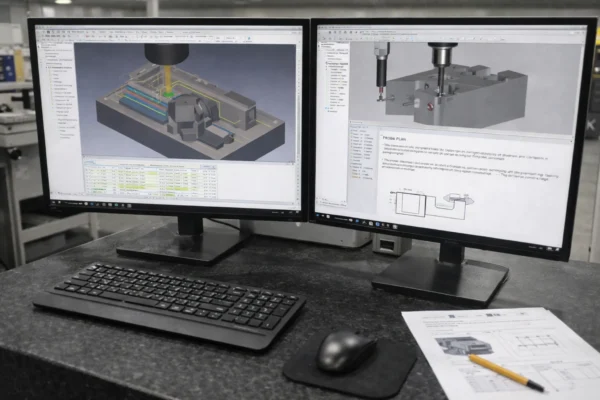
Prime insight: DFM is not a lecture. It is a cost control tool.
My CNC DFM checklist for precision parts
We run this checklist for every serious RFQ. So you get a quote that matches reality, not hope.
- Tighten only functional dimensions and fits.
- Define primary, secondary, and tertiary datums.
- Keep walls thick enough for stable clamping.
- Use standard internal radii where possible.
- Avoid deep narrow pockets and long reach cuts.
- Specify finish only on critical functional faces.
- Add simple edge breaks for handling and coating.
Geometry traps that quietly inflate cost
These features appear often in custom CNC machining services for high-precision parts. They raise cost because they raise risk and time.
| Drawing feature | Shop-side problem | Better alternative | Result |
|---|---|---|---|
| sharp internal corners | tiny tools, slow feeds | add standard radius | faster cycle |
| deep narrow pockets | chatter, taper | widen or split | higher yield |
| thin walls | distortion | add ribs | fewer rejects |
| long reach slots | deflection | open access | stable tolerance |
| tiny fillets | custom tools | standard radii | lower tooling cost |
Surface finish: spend money only where it matters
Finish notes often inflate cost quietly. Buyers sometimes apply a cosmetic finish everywhere. Then the shop adds extra passes and extra checks.
Use this table to target finish notes:
| Finish need | Where it belongs | Where it wastes money | Buyer note example |
|---|---|---|---|
| sliding contact | rails, guides | hidden faces | “Ra only on slide faces” |
| sealing face | O-ring seats | outer walls | “Seal faces only” |
| cosmetic face | visible panel | all faces | “Cosmetic on Face A” |
| general | internal areas | none | “Standard machined finish” |
Buyer signal: If you cannot explain a finish note, remove it.
Dive deeper: why DFM also improves inspection and PPAP success
DFM cuts more than machining minutes. It also improves inspection repeatability. Clear datums reduce CMM alignment time. Standard radii reduce deflection and feature drift. Both improvements raise first-pass yield.
When a buyer asks for PPAP, repeatability becomes the real deliverable. A control plan needs stable process steps. A PFMEA needs clear risks and controls. If the drawing fights the process, the pack looks weak. So DFM becomes a paperwork accelerator too.
At Prime, we tailor DFM feedback to your approval flow. We ask how you run FAI and internal validation. We also ask how you review inspection records. Then we propose changes that reduce cost and protect approvals.
DFM also protects delivery. Complex features increase tool changes and setups. More setups create more chances for variation. Variation increases rework, and rework delays shipments. So DFM becomes a lead-time insurance policy.
How do we run ISO, PPAP, and delivery control for export CNC parts?
Export buyers fear three things most. They fear quality drift, paperwork gaps, and late shipments. So we built controls that reduce those risks.
ISO 9001 controls calibration, traceability, and consistent inspection records. PPAP-style documents prove process control for critical parts. Strong packaging and communication protect export delivery stability.
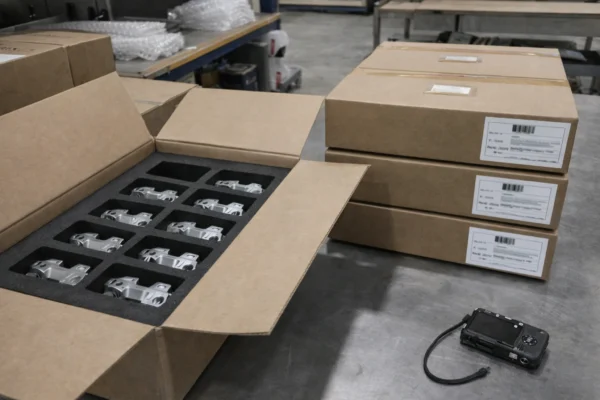
Prime insight: Export success depends on packaging and paperwork as much as machining.
ISO habits that buyers actually feel
ISO should show up in daily habits. So we keep gauge control tight and records clean. We also control revisions and nonconformance actions.
Buyers notice ISO discipline through:
- Clear calibration tags and schedules
- Repeatable inspection records across lots
- Fast response to drawing revisions
- Consistent handling of deviations
PPAP-style pack elements we often support
Not every project needs full PPAP. Still, PPAP thinking helps many programs. So we scale the pack to your risk and volume.
| Pack element | What we provide | Why buyers value it |
|---|---|---|
| Process flow | routing steps | shows control points |
| Control plan | checks and frequency | locks expectations |
| Dimensional results | key feature data | speeds approval |
| Material certs | lot and spec | supports compliance |
| PFMEA summary | key risks | prevents repeats |
| Change log | revisions | avoids confusion |
Delivery control: what we confirm before cutting
Predictable delivery starts before machining starts. So we lock inspection scope and packaging rules early. Then we remove friction during shipping.
| Stage | What we confirm | What you receive | What it prevents |
|---|---|---|---|
| RFQ intake | model, drawing, volume | feasibility notes | wrong assumptions |
| DFM review | datums, tolerances | change options | hidden cost traps |
| Quote | setup, metrology, buffer | itemized pricing | surprise add-ons |
| Sampling | FAI scope | approval parts | late redesign |
| Production | batch plan | progress updates | schedule drift |
| Shipping | packaging spec | photos + labels | transit damage |
Buyer signal: Ask how a supplier handles revisions mid-run.
Dive deeper: why transparent quotes reduce disputes and speed repeat orders
Many buyers tell me they hate surprises more than high prices. A surprise forces internal escalation and overtime planning. So we design our process to avoid surprise by default.
We include metrology as a visible line item when it matters. We also define what report you will receive. This clarity reduces disputes at delivery. It also speeds up approvals for repeat orders.
We also plan packaging early for export shipments. Cosmetic parts need separators and clean handling. Tight tolerance parts often need rust prevention and oil control. So we confirm packaging before production, not after inspection.
Prime started in 1993, and we export globally today. We built 10 production lines for stable scheduling. We also respond fast to engineering questions during quoting. That communication keeps projects moving when time matters.
FAQs buyers search for when comparing CNC suppliers
Q: How do I reduce CNC machining cost without sacrificing quality? A: Apply functional tolerancing and define clear datums. Then limit tight specs to true functional features.
Q: What causes hidden costs in tight tolerance CNC machining services? A: Blanket tolerances drive long CMM time and higher scrap risk. Extra setups and special tooling add cost too.
Q: What should I include in an RFQ for high-precision CNC parts? A: Include 2D, 3D, material, quantity, and finish needs. Also state inspection deliverables and packaging rules.
Q: Do I need a full CMM report for every production lot? A: Most buyers use full FAI once, then key-feature reports. Full reports fit strict audit programs.
Q: How do I pick an ISO certified CNC machining supplier for export? A: Review calibration control, traceability, and report samples. Also check packaging, lead time logic, and response speed.
Q: What is the fastest CNC DFM checklist item for savings? A: Relax non-functional tolerances first. This step cuts inspection time and rework risk fast.
Q: Which features create the highest scrap risk in precision machining? A: Thin walls, deep narrow pockets, and long reach cuts raise deflection. Sharp corners also force unstable small tools.
Q: Can Prime support PPAP documentation for CNC parts? A: Yes, and we scale the pack to your risk and volume. We often include control plans and dimensional results.
Q: Why do quotes differ so much for the same drawing? A: Suppliers assume different inspection scope and yield risk. Itemized quotes make assumptions visible.
Q: How do surface finish notes affect CNC cost? A: Broad finish notes add extra passes and extra checks. Targeted notes protect function and lower cost.
Q: What lead time risks should I ask about on precision parts? A: Ask about setups, metrology time, and rework buffers. Also ask about material availability and capacity planning.
Q: Can Prime supply other processes with CNC parts? A: Yes, we also supply stamping, casting, welding, fasteners, and plastic parts. This helps buyers consolidate sourcing.
Conclusion
Functional tolerances, clear datums, smart DFM, and scoped inspection keep precision CNC costs predictable and deliveries stable worldwide.
If you worry about hidden costs in your next program, send your drawing to Prime. We will return a free DFM and cost-risk review. We will also propose a clear inspection and packaging plan for export.
Contact Us
🌐 Visit: Learn more about this topic.
Get a free quote, custom tool configuration, and fast delivery worldwide. Every order comes with setup support.