
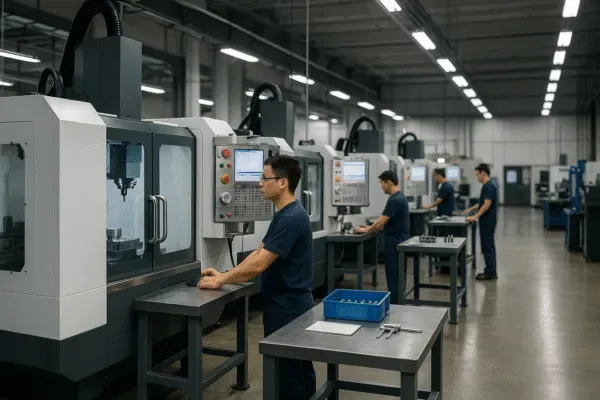
Every year, countless CNC projects fail—not because of bad ideas, but due to small design errors that block production or cause defects. This problem wastes money and delays entire supply chains. For over 20 years, I have helped global customers bridge the gap between creative design and smooth manufacturing. The secret? DFM (Design for Manufacturability) optimization. In this guide, I’ll show you exactly how DFM transforms your digital model into a finished metal CNC part, ready for market.
DFM connects the worlds of engineering and manufacturing. It helps you avoid cost overruns, missed deadlines, and frustrating rework. With a solid DFM process and a partner like Prime, your design gets produced right the first time.
Too many companies focus on beautiful CAD drawings and leave manufacturability for later. If you want to avoid common pitfalls and ensure every order arrives on time and as specified, DFM is the answer.
Why Does DFM Matter in CNC Part Production?
Even the best 3D model is only as good as its ability to be manufactured. I have seen well-intentioned engineers submit designs with tight corners, deep cavities, or impossible tolerances—features that seem minor on screen but cripple efficiency on the shop floor.
DFM makes the difference between fast, cost-effective CNC parts and repeated failures. When DFM is applied, every feature serves a purpose and every detail aligns with manufacturing reality.
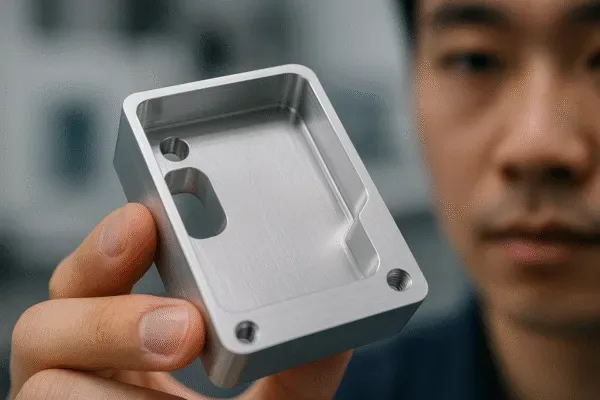
DFM Solves Hidden Manufacturing Challenges
Common pain points:
- Parts that cannot be machined without special, costly tools
- Tolerances so tight they require multiple reworks
- Surface finishes beyond functional needs
- Features requiring multi-axis machining
DFM helps avoid:
- Excessive material waste
- Unexpected tool breakage
- Last-minute drawing changes
- Delayed shipments
CNC Challenges vs DFM Solutions
| CNC Challenge | DFM Optimization Outcome |
|---|---|
| Sharp internal corners | Tool-compatible fillets |
| Deep pockets | Revised geometry |
| Mixed units | Standardized system |
| Over-tight tolerances | Critical tolerance focus |
| Undefined datums | Unified references |
How Prime’s DFM Process Transforms Your CNC Projects
At Prime, DFM is the core of our process.
Senior engineers perform full DFM reviews.
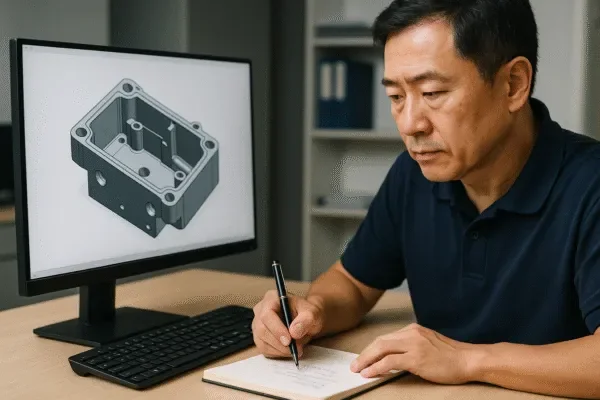
Prime’s 4-Step DFM Workflow
- Material & Geometry Review
- Tolerance Analysis
- Machining Simulation
- Client Feedback & Revision
Results:
- Faster quotes
- Predictable lead times
- Higher yield
- Greater confidence
Most Costly DFM Mistakes
- Undercuts requiring custom tooling
- Mixed metric & imperial units
- Over-polished surfaces
- Excessive tolerances
- Missing datum points
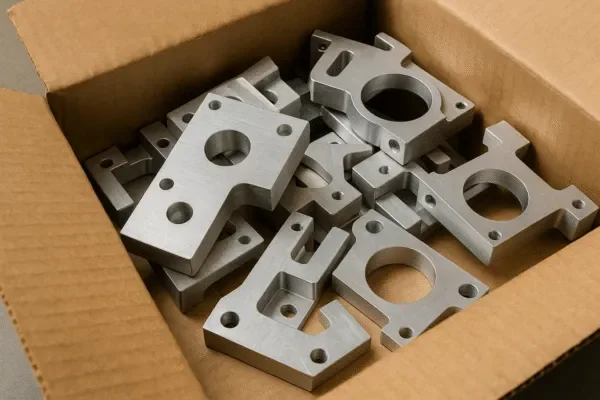
How Prime Prevents Errors
- Full manufacturability audit
- Machining simulation
- Risk correction
- Design alternatives
How DFM Affects Lead Time, Cost & Quality
- Faster RFQs
- Stable delivery
- Lower rejections
- Lower scaling cost
Buyers report smoother launches and better supplier cooperation.
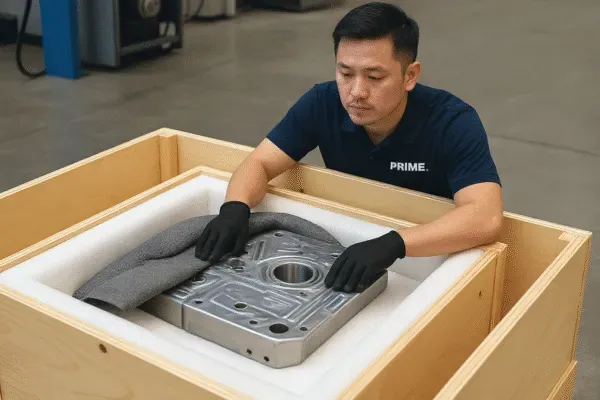
Case Study: DFM Saves Time & Money
- Lead time: 26 → 13 days
- Rejection: 7% → < 1%
- Savings: $8,700
Global B2B Buyer Support
- ISO 9001
- Bilingual team
- Global logistics
- Full documentation

FAQs
-
What is DFM?
Design for Manufacturability -
When to involve DFM?
Before final drawings -
Does Prime revise CAD files?
Yes. Free DFM review -
Common CNC problems?
Corners, deep pockets, tight tolerances -
Does DFM work for prototypes?
Yes, DFM benefits all volumes
Why Choose Prime
- Founded in 1993
- 10 production lines
- ISO 9001
- Custom DFM reviews
- Stable global quality
Conclusion
DFM optimization ensures your CNC parts are produced fast, cost-effectively, and reliably.