
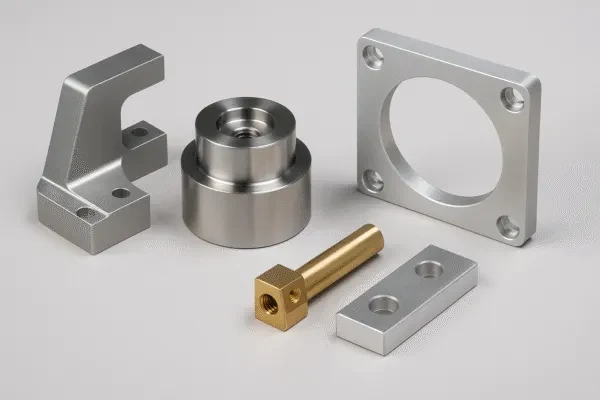
For corporate procurement teams, sourcing customized metal fasteners and components is more than a purchasing task—it’s a strategic responsibility. Delays, miscommunication, or subpar quality can disrupt your entire production schedule, causing missed deadlines, financial loss, and even damaging your brand reputation.
The right partner delivers not only rapid production and global delivery but also high-quality, fully personalized metal fasteners and components. To succeed, buyers must evaluate supplier engineering expertise, end-to-end manufacturing process control, flexible materials, quality management, after-sales support, and packaging. This in-depth guide covers the critical steps and key questions every buyer should address for successful industrial procurement.
Why Are Customized Metal Fasteners and Components Vital for Modern Industries?
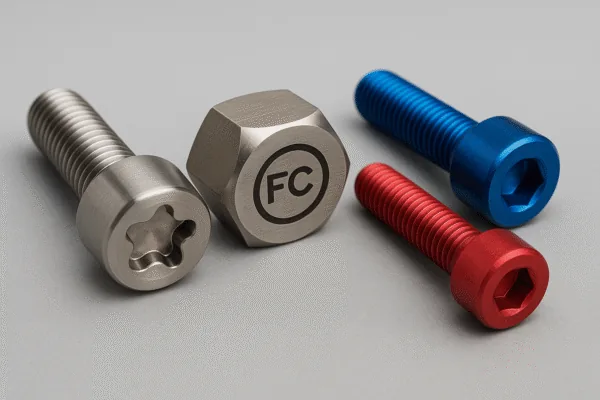
Standard fasteners can’t solve unique engineering and assembly challenges faced by modern manufacturers. Today’s products demand stronger, lighter, corrosion-resistant, and precisely dimensioned parts—often with branding or anti-theft features.
Customized fasteners and components support innovations in automotive, construction, energy, electronics, and heavy equipment by delivering application-specific solutions. These can improve strength, reduce weight, enhance assembly speed, and ensure compliance with global standards.
Dive Deeper: What Drives the Shift Toward Custom Fasteners?
Industry Benefits Table
| Industry | Customized Fastener Benefit | Example Solution | SEO Long-Tail Keywords |
|---|---|---|---|
| Automotive | High-strength, anti-corrosion, precise tolerance | Anti-loosening bolts for EV battery packs | "custom auto fasteners supplier" |
| Construction | Anti-theft, heavy-load, special head shapes | Tamper-proof nuts for public infrastructure | "heavy-duty construction fasteners" |
| Electronics | Miniature, EMC-shielded, non-magnetic | Brass screws for circuit board assemblies | "Custom electronic screws China" |
| Energy | Corrosion-proof, heat-resistant, traceable | Hot-dip galvanized bolts for wind turbines | "corrosion-resistant fasteners" |
| OEM/General | Branded, color-matched, easy-assembly | Logo-stamped fasteners for branded machines | "custom logo metal fasteners" |
The right customization solves design, assembly, maintenance, and compliance challenges, helping your company stand out.
Which Manufacturing Processes Are Used for Custom Fasteners and Components?
Effective customization relies on a supplier’s ability to offer and combine multiple metalworking processes under strict quality control.
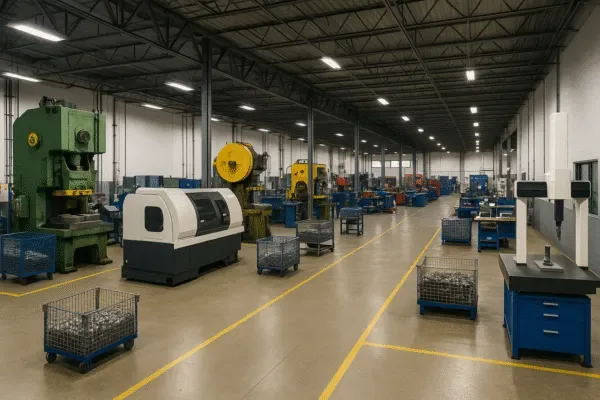
Key manufacturing methods for custom fasteners and components include cold forging, hot forging, CNC machining, precision stamping, thread rolling, automatic turning, die casting, and secondary operations like drilling, slotting, or surface modification.
Dive Deeper: Process Capabilities and Their Advantages
Manufacturing Process Comparison Table
| Process | Typical Fastener Types | Precision Achievable | Batch Size Suitability | Prime’s Capability |
|---|---|---|---|---|
| Cold Forging | Bolts, screws, rivets | ±0.05mm | Medium–Large | Yes |
| Hot Forging | Large bolts, specialty parts | ±0.1mm | Large | Yes |
| Stamping | Washers, clips, plates | ±0.02mm | Small–Large | Yes |
| CNC Machining | Complex heads, low-qty parts | ±0.005mm | Prototypes–Medium | Yes |
| Thread Rolling | External threads | High | Small–Large | Yes |
| Automatic Turning | Shafts, pins, micro parts | ±0.01mm | Small–Large | Yes |
| Die Casting | Precision components | ±0.03mm | Medium–Large | Yes |
Prime’s ten advanced production lines combine these methods for rapid, flexible, and high-precision delivery, handling everything from simple bulk screws to complex, multi-step custom fasteners.
How Do You Specify Materials and Surface Treatments for Custom Fasteners?
The right choice of material and finish determines the fastener’s performance, durability, and total cost of ownership. Procurement must ensure suppliers provide verified and traceable raw materials and offer all common and specialty coatings.
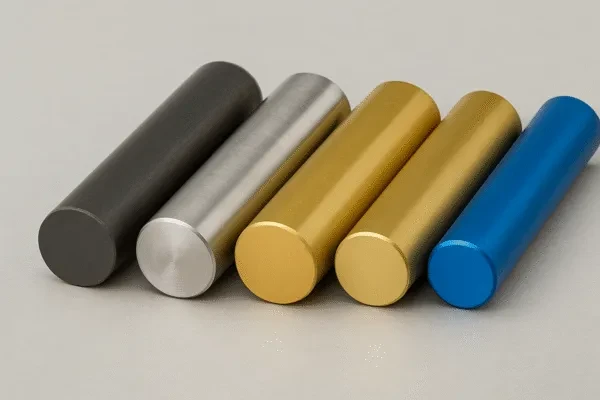
Typical materials include carbon steel, stainless steel (A2, A4), alloy steel, brass, aluminum, copper, and titanium. Surface treatments include zinc, nickel, chrome, hot-dip galvanizing, Dacromet, Teflon, black oxide, anodizing, and color painting.
Dive Deeper: How to Select the Best Material and Coating
Materials & Finish Table
| Material | Main Advantage | Typical Use | Surface Treatment Options | Prime’s Solution |
|---|---|---|---|---|
| Carbon Steel | High strength, cost-effective | Construction, machinery | Zinc, hot-dip, phosphate | Yes, all grades, fully traceable |
| Stainless Steel | Corrosion resistance | Marine, food, outdoors | Passivation, color, polish | Yes, 304/316/A2/A4 available |
| Brass | Conductivity, non-magnetic | Electrical, electronics | Nickel, tin, none | Yes |
| Aluminum | Lightweight, non-corrosive | Aerospace, electronics | Anodizing, color | Yes |
| Alloy Steel | Extreme strength, special use | Automotive, heavy industry | Black oxide, Dacromet | Yes |
| Titanium | Ultra-light, bio-safe | Medical, aerospace | Polished, colored | Yes, specialty procurement |
At Prime, every order is matched with a material certificate and finish process sheet, ensuring compliance with client and market standards.
What Should Procurement Demand in Quality Management and Certifications?
Uncontrolled quality risks cost overruns, rejections, and even legal exposure. Certified quality management ensures every part meets requirements.
Corporate procurement should only consider suppliers with ISO 9001 and, for automotive or advanced industries, IATF 16949 or ISO 14001. The best suppliers provide 100% in-process and final inspections, batch traceability, and digital reporting.
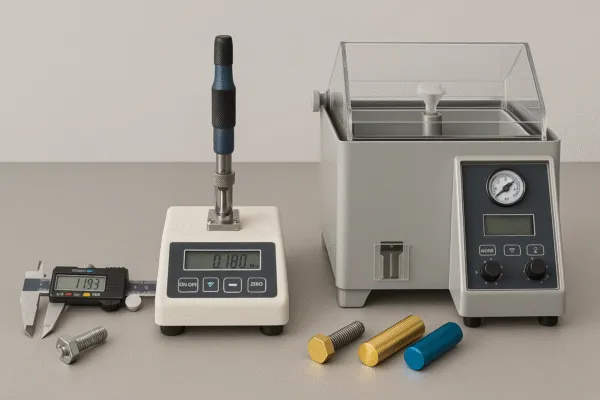
Dive Deeper: The Real Cost of Quality Failure
Quality Assurance Checklist
- ISO certificates and audit history
- Material, dimension, and finish test reports per batch
- In-process checks at each operation (first article, in-line, final)
- Traceable lot numbers and serials
- Fast response for corrective actions or replacements
Prime delivers digital inspection reports, photos, and video documentation on request, giving buyers transparency and peace of mind.
How Can You Ensure Truly Rapid and Reliable Delivery for Custom Orders?
A slow or unpredictable supply chain causes line stops, late shipments, and contract penalties. Procurement must focus on the supplier’s scheduling, in-house capacity, and logistics control.
Top suppliers invest in automated scheduling, digital order tracking, rapid prototyping, and maintain partnerships with global forwarders. Look for documented lead times, fast sample turnaround, and stable on-time delivery rates.