
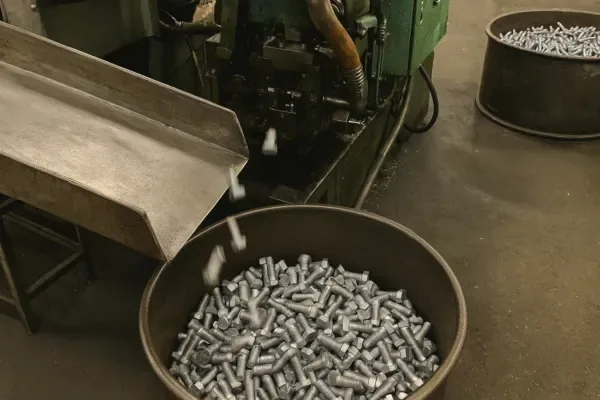
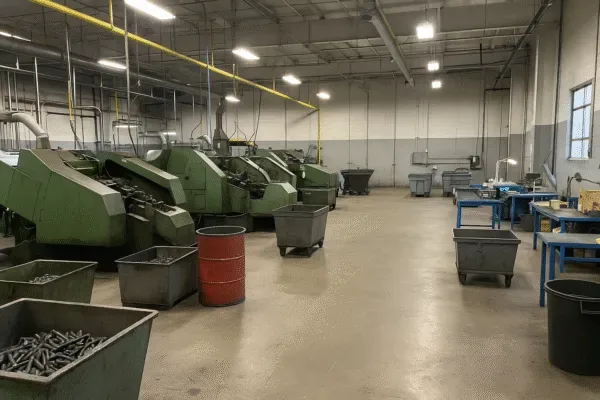
You face late deliveries, strange quality problems, and broken cartons. I see this every year, so I prepared this guide.
A buyer should choose a custom fasteners manufacturer in China with strong engineering, ISO-based quality, and strict process control. The right partner understands drawings, controls hydrogen embrittlement with baking after plating, and supports PPAP when needed. Buyers should compare capability and risk, not only price, and they should send clear RFQs with drawings and application details.
So I will walk through the full journey with you here. I write from both a factory side and a buyer side, so you can judge us clearly.
When Do You Really Need Custom Fasteners from China?
Many buyers try to push standard parts as far as possible. Then projects still fail at assembly, and total cost explodes later. So custom fasteners often become the only safe path.
You need custom fasteners when standard items cannot meet geometry, strength, or coating requirements. Custom bolts and non-standard nuts solve clearance limits, special torque demands, and safety standards. A custom fasteners manufacturer in China also helps when you want to combine several components into one fastener, which often reduces assembly time and total cost.
So before I quote, I always check if a design truly needs custom hardware. This simple check avoids wasted tooling and long delays.
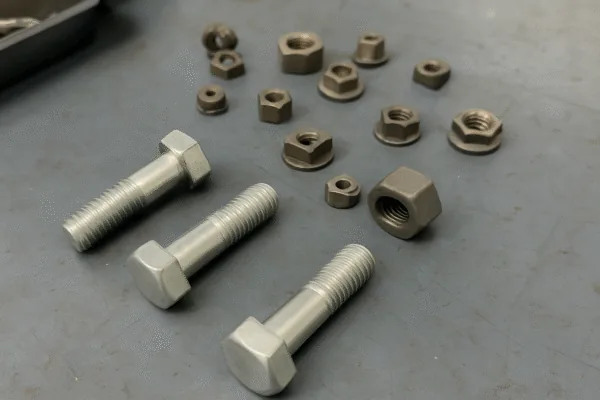
Typical scenarios where custom fasteners really help
I see the same triggers again and again in North America, Europe, and the Middle East. Space stays tight, and standard heads or nuts do not fit. Customers want special drives for security, like Torx or internal spline. OEM drawings follow their own standards, not DIN or ISO.
Here are common situations:
- You have very tight space in an enclosure.
- You need a security drive that standard stock does not offer.
- You want to combine a bolt, washer, and sleeve into one piece.
- You target a special corrosion or color requirement.
And you can compare options like this:
| Scenario | Risk with standard parts | Benefit with custom fasteners |
|---|---|---|
| Tight space in enclosure | Tools cannot enter or turn | Low head or special internal drive head |
| Mixed materials and corrosion risk | Early rust or thread seizure | Correct material and coating combination |
| High vibration assembly | Bolts slowly loosen in service | Special bolts supplier adds locking feature |
| Safety-critical joint | Warranty and safety problems | Controlled strength and documented testing |
So when a project touches two or more of these points, I often suggest a custom solution right from the start.
If your project also uses brackets or plates, you can group custom fasteners with stamping parts. Then you keep one supplier and one schedule.
When standard fasteners still make more sense
I never push custom parts for every case. If your volume stays low, standard items may serve you better. If you can adjust the design slightly, you may switch to a catalog fastener instead of a full new design.
So I always ask three simple questions. Will the project run for many years? Will a custom part remove other parts or save clear assembly time? Will it reduce safety or warranty risk in a strong way? If I see only one weak “yes”, I usually suggest standard parts and avoid new tooling.
What Key Capabilities Should a Custom Fasteners Manufacturer in China Have?
Many factories can roll threads and cut hex bars. But only some handle complex materials, coatings, and documents with real discipline. So you must look deeper than price and a few glossy photos.
A strong custom fasteners manufacturer in China offers forging, CNC machining, heat treatment, and surface treatment in one controlled chain. The plant runs under ISO-based quality systems and keeps traceability from steel to final carton. Buyers should confirm lab testing, PPAP experience, and hydrogen embrittlement control, including baking after plating for high strength fasteners. Neutral sources like the general fastener overview on Wikipedia and ISO 898-1 for mechanical properties support these definitions.
So when I audit a new supplier, I check machines, documents, and thinking, not only a showroom.
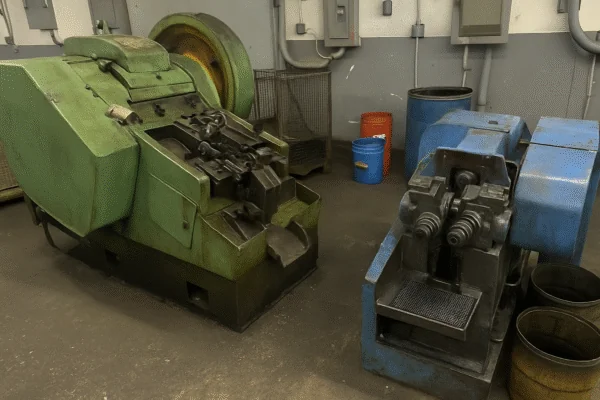
Process range, materials, and coating choices
At Prime, we run cold heading, hot forging, CNC machining, and stamping on 10 production lines. So we choose the best route for each design and volume. A good special bolts supplier also controls heat treatment and coating with in-house lines or audited partners.
I use a simple material map:
| Material type | Typical use cases | Notes |
|---|---|---|
| Carbon steel 8.8 | General industrial fasteners | Good balance of strength and cost |
| Alloy steel 10.9 / 12.9 | High strength structural or safety bolts | Needs strict hydrogen embrittlement control |
| Stainless steel 304 | General corrosion resistant fasteners | Lower strength, wide use in equipment |
| Stainless steel 316 | Marine or chemical environments | Higher cost, strong corrosion resistance |
If you want a neutral starting point, the Fastener page gives a basic overview of types and uses. I build on that knowledge every day in real projects.
For mechanical properties, I follow ISO 898-1. This standard defines property classes like 8.8, 10.9, and 12.9 for steel bolts, screws, and studs. When I read your drawing, I map the class directly to heat treatment and test plans.
For coated steel fasteners, I often compare electroplated zinc with non-electrolytic zinc flake systems. ISO 4042 covers electroplated coatings on threaded fasteners and gives advice on hydrogen embrittlement. For zinc flake, I lean on ISO 10683 and similar guidelines.
Quality system, PPAP, and documentation depth
I never trust “good quality” claims without structure behind them. ISO 9001 gives a base, but daily control builds real trust. At Prime, we keep incoming inspection, in-process checks, and final inspection records for every lot.
For automotive and safety projects, PPAP becomes our common language. I match PPAP elements with ISO strength and coating standards and with ASTM F1941 for electrodeposited coatings and hydrogen relief.
A typical document package looks like this:
| Element | What you receive from us |
|---|---|
| Design records | Final drawings and controlled revisions |
| Process flow chart | Each step from cutting to packing |
| PFMEA and control plan | Main risks and control methods |
| Dimensional report | Measured values on agreed sample size |
| Test data | Hardness, tensile, coating, and salt spray |
So when a non-standard nuts manufacturer can show similar files, you know they handle more than simple spot orders.
What Typical Problems Do Buyers Meet with Custom Fasteners Suppliers?
Many buyers share the same painful stories during calls and trade shows. They lose time, money, and trust because small details fail. So I prefer to talk about these problems very openly.
Typical problems with custom fasteners suppliers include unclear drawings, weak tooling design, and inconsistent heat treatment or coating. Some factories accept orders beyond their real abilities, so they struggle with tolerance and surface quality. Buyers also face poor packaging, late shipments, and slow replies. These problems often cost more than any small price difference between suppliers.
So I treat each risk as part of the project plan. I want to remove surprises before they appear.
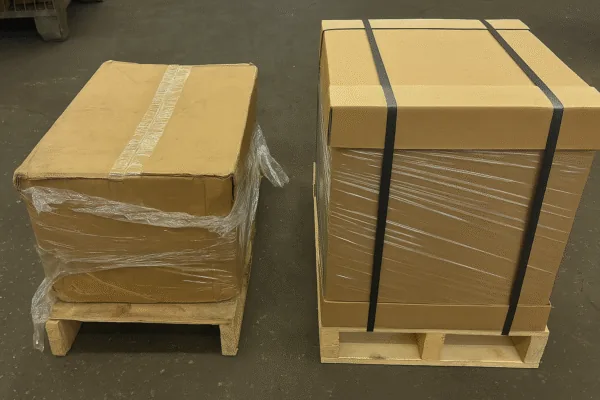
Quality, tolerance, and coating issues in real projects
Most technical problems start at the drawing stage. If your drawing lacks clear tolerances on key dimensions, each plant guesses differently. Production may look fine inside the factory but still fail on your line. I always ask customers to mark critical features clearly.
The same issues repeat often:
| Problem type | Typical root cause | How we handle it at Prime |
|---|---|---|
| Wrong length or size | Worn tooling or wrong settings | Tool life control and first piece checks |
| Thread problems | Wrong gauges or poor rolling setup | Calibrated gauges and fixed programs |
| Hardness variation | Unstable heat treatment | Fixed recipes and furnace calibration |
| Coating flaking | Weak surface preparation | Controlled cleaning and adhesion checks |
So strong drawings and stable processes protect both of us.
Mini case study: how one change solved a serious field failure
I once worked with a German agricultural machinery customer. They used standard 10.9 bolts with electroplated zinc coating. The bolts sometimes broke days after heavy field work. Local engineers suspected hydrogen embrittlement.
So we held a joint review. We changed the coating to a zinc flake system with much lower hydrogen risk. We also redesigned the flange head to improve clamping under vibration.
After the change, the customer tracked field failures for one year. Their bolt related warranty cases dropped by about 90 percent. They estimated yearly savings around €20,000 in reduced service and claims. For me, this case showed again that smart design plus correct coating beats pure price competition.
What Information Should You Include in a Custom Fastener RFQ?
A clear RFQ saves weeks of emails and wrong assumptions. It also lets you compare each custom fasteners manufacturer in China on the same level.
A strong RFQ for custom fasteners includes drawings, material grade, strength class, coating, and quantities. Buyers should share application conditions, testing requirements, and any PPAP or certificate needs. Clear packing rules and target delivery dates help suppliers build realistic schedules. With this package, a special bolts supplier can quote accurately and suggest improvements before you commit to tooling.
So I built an RFQ checklist that I now share with almost every new customer.
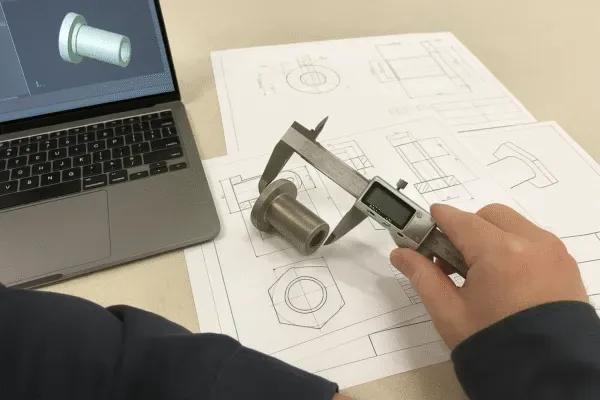
Core technical data and application details
First, please attach a clear 2D drawing in PDF. If you also have 3D data, you can add that too. Mark thread type, pitch, and tolerance. Mark critical dimensions with symbols or notes. Then define material and strength, for example “alloy steel, class 10.9”.
I also ask for application details. Where does the fastener work? Does it see vibration, heat, or chemicals? Will it sit inside a machine or outside in weather? These answers guide material and coating choices.
You can use this RFQ table:
| RFQ item | Example |
|---|---|
| Drawing number | FST-4567 Rev.C |
| Material and strength | 10.9 alloy steel |
| Thread | M10 × 1.5, 6g |
| Coating | Zinc flake, 720h salt spray |
| Application description | Outdoor machinery, vibration, mild chemicals |
If your assemblies also need machined blocks or housings, you can add matching CNC parts and casting parts into the same RFQ. Then we design one joined plan.
Cost drivers, lead time factors, and packing rules
I always explain why prices differ between suppliers. Many cost drivers hide in your drawing and RFQ. Small design changes sometimes cut cost a lot while performance stays the same.
Key cost and lead time factors include:
- Material grade and strength level.
- Tolerance tightness on non-critical dimensions.
- Coating system and salt spray hours.
- Annual volume and order batch size.
- Testing scope and PPAP level.
You can compare actions like this:
| Factor | Effect on price and lead time | Possible action |
|---|---|---|
| Material grade | Higher grade costs more | Confirm real strength need |
| Tolerance level | Tight tolerance slows production | Relax where function allows |
| Coating system | Advanced systems cost more | Match to real environment |
| Annual volume | Higher volume spreads tooling | Plan yearly volume early |
| Test and PPAP | More work and lab time | Use full PPAP when customers demand it |
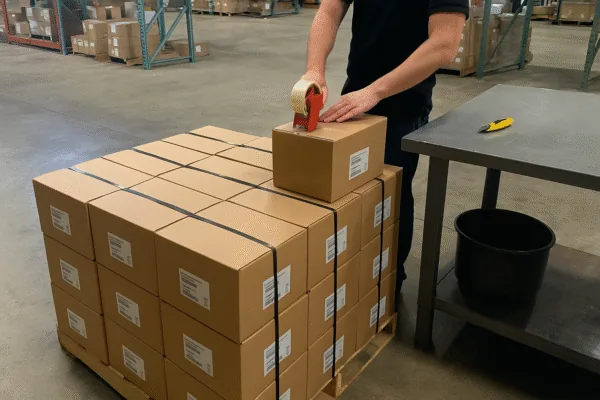
For packing, please share carton size limits, pallet rules, and label content. Then we design packing that fits your warehouse and saves re-handling cost.
How Do We Manage Custom Fastener Projects from Drawing to Mass Production?
Now I want to show how we handle a project at Prime. This helps you check if our way of working matches your risk control.
At Prime, we manage each custom fastener project through clear stages. We start with drawing review and DFM, then we design tooling, run sample production, and move to PPAP and mass production. Each stage includes checks and records. We control baking after plating and hydrogen embrittlement risk across the full process, guided by ISO and ASTM standards.
So you see a full path from first email to stable repeat orders.
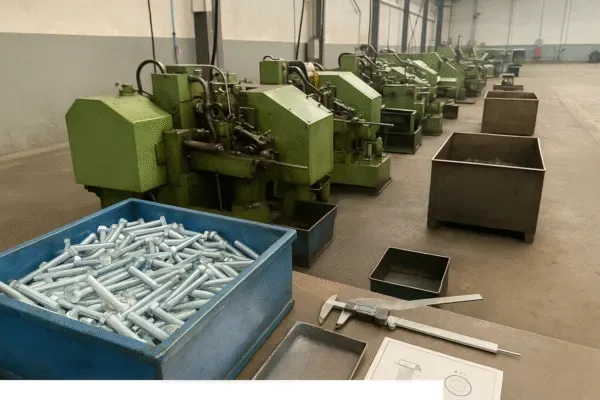
From drawing review and DFM to tooling and samples
First, we review your drawing and RFQ details. We discuss materials, coatings, testing, and packing with you. Then we give DFM suggestions. Sometimes we change a radius, head shape, or chamfer to extend tool life and reduce cost.
Next, our engineering team designs dies and selects machines. We prepare a process flow that includes forming, machining, heat treatment, coating, baking after plating, and final inspection. After tooling is ready, we run a trial batch and inspect all critical dimensions.
You can see the early flow here:
| Step | Your action | Our action |
|---|---|---|
| RFQ | Send drawings and project details | Review, ask questions, and propose options |
| DFM | Confirm possible design adjustments | Optimize design for stable manufacture |
| Tooling | Approve drawing and quotation | Design and build dies, choose machines |
| Samples | Test samples in your assembly and field | Produce samples, inspect, send reports |
If your project also uses custom fasteners plus stamping parts, we plan them together in this stage.
From approval to stable mass production and repeat orders
After you approve samples, we freeze all key parameters. We lock machine numbers, programs, die sets, heat treatment recipes, and plating cycles. For critical projects we prepare PPAP documents and share them before mass production.
During production we track each lot with a unique batch code. We record material heat numbers, furnace charts, plating batch logs, and baking cycles. Our inspectors check dimensions, hardness, and coatings according to the control plan.
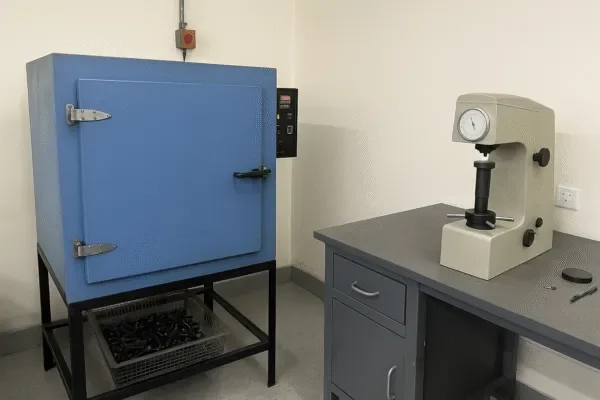
Our later steps look like this:
| Step | Your action | Our action |
|---|---|---|
| Process lock | Approve samples and documents | Freeze settings and update control plan |
| Mass production | Place orders under agreed schedule | Produce, inspect, bake after plating, and pack |
| Shipment | Plan inventory and transport | Arrange booking, share packing photos and documents |
| Review | Share feedback or field issues | Analyze and improve process if needed |
So each repeat order becomes smoother and easier for both sides.
When Should You Worry Most About Hydrogen Embrittlement in Custom Fasteners?
Hydrogen embrittlement sounds very technical, but it links directly to field failures. I have seen bolts break days after installation, even when torque tests looked perfect. So we must treat this risk very seriously.
Hydrogen embrittlement mainly affects high strength steel fasteners with electroplated coatings. Hydrogen enters the steel during cleaning and plating. Without proper control and baking after plating, cracks grow under stress and cause sudden delayed failures. Standards like ISO 4042 and ASTM F1941 describe precautions and hydrogen embrittlement relief for high strength fasteners.
So if your design uses 10.9 or 12.9 parts, you should pay close attention.
How hydrogen embrittlement appears and which parts are high risk
Hydrogen atoms enter steel during pickling and electroplating. In low strength steel, the effect usually stays small. In high strength parts, hydrogen gathers at stress points like threads and fillets. Under load, micro cracks start and grow until the part fails.
Risk increases when strength and hardness increase and when coating layers get thicker. High strength threaded parts with bright electroplated zinc need special care. So I always treat heavily loaded 10.9 and 12.9 fasteners as high risk.
You can watch these factors:
- High strength classes such as 10.9 and 12.9.
- Thin sections like small diameter screws and pins.
- Heavy electroplating or repeated plating cycles.
- High sustained clamp loads in service.
So when your custom part matches several of these points, we design a strict control plan around it.
Our baking after plating and validation strategy
At Prime, we control hydrogen embrittlement in several layers. We start with clean, low inclusion steel and tight hardness windows. We keep pickling time and solution strength under control. We monitor plating current and time and avoid extra rework.
Right after plating, we move high strength parts into baking ovens. We set temperature and time according to strength class, coating type, and project risk. We record each batch and link it to later test results.
We also choose non-electrolytic zinc flake coating when it fits the design and cost level. This system reduces hydrogen entry because it avoids electrolysis. For safety projects, we add validation tests like wedge tensile or delayed failure tests.
So when you send an RFQ for high strength parts, please include:
- Strength class and hardness target.
- Coating type and required salt spray hours.
- Safety level and possible consequences of failure.
Then I can design a material, coating, baking, and testing package that matches your risk and budget.
FAQs: Custom Fasteners Manufacturer in China, Special Bolts, and Non-Standard Nuts?
FAQs about custom fasteners manufacturers in China usually cover MOQ, lead time, tooling cost, PPAP, and hydrogen embrittlement control. Buyers also ask how to choose between different materials and coatings, how to verify a special bolts supplier, and how to send RFQs for non-standard nuts. Clear answers help buyers reduce risk and speed sourcing decisions.
So I collected the questions that I hear most often from experienced buyers like you.
Can a custom fasteners manufacturer in China support small sample orders?
Yes, we support sample orders before mass production. We usually agree on tooling cost, sample quantity, and timing first. Then we produce samples with test reports and, if required, PPAP documents.
So you can test fit, function, and coating in real equipment. After approval, we move to normal batch quantities.
How do I check if a special bolts supplier is reliable?
You can review four key points:
- Real machine and workshop photos, not only stock images.
- Sample inspection reports with measured values, not just “OK”.
- ISO certificates, PPAP experience, and main export regions.
- Clear and fast answers to technical questions.
So a reliable partner passes these checks without excuses.
What information should I send for a non-standard nuts manufacturer?
Please send a complete drawing with thread type, pitch, and tolerance. Mark nut height, across flats, flange shape, and any serration or locking teeth. Explain the application and environment, even if briefly.
Then I can propose material and coating choices and match them with related custom fasteners, CNC parts, or stamping parts if you need a full kit.
Do I always need PPAP for custom fasteners?
You do not always need PPAP. For automotive or safety projects, PPAP helps a lot. For simple industrial parts, a basic inspection report may be enough.
So I always ask about your end customer and their expectations. If they request PPAP or IATF systems, we build PPAP into the project. If not, we design a lighter but still controlled package.
How long does production usually take for custom fasteners?
Lead time depends on tooling, material, and coating. Many sample runs need about four to six weeks. Regular mass production after approval often needs three to five weeks, depending on volume.
So if you share your schedule early, I can match line capacity and freight options. This early planning avoids rush charges and air shipments.
Are You Ready to Develop Custom Fasteners with a China Manufacturer?
Now you know the key risks, controls, and standards behind custom fasteners. So the next step is simple action on your next project.
When you feel ready, you should send your drawings, quantities, and application details to a trusted custom fasteners manufacturer in China. A professional team will review the design, suggest material and coating options, and define testing, baking after plating, and PPAP when needed. Clear communication at this stage helps you secure stable quality and competitive cost for many years.
So if you prefer a long-term partner instead of price-only suppliers, I invite you to test our approach.
What you get when you work with Prime
Prime focuses on B2B and wholesale projects only. We started in 1993 and now run 10 production lines in Shandong, China. We supply custom fasteners, stamping parts, CNC parts, casting parts, welding parts, and plastic parts.
You gain several clear benefits:
- One-stop component supply for full assemblies.
- ISO-based quality with stable batch-to-batch results.
- Hydrogen embrittlement control and documented baking.
- PPAP and testing support when your customer needs it.
- Export-grade packaging and reliable logistics support.
So you protect your brand while still buying from a competitive source.
Simple next step: upload your RFQ for a free DFM review
I like to start with value, not pressure. If you share your drawing and project details, my team and I can:
- Check manufacturability and suggest DFM improvements.
- Propose suitable materials, coatings, and baking strategy.
- Highlight possible cost saving options.
- Outline a test and PPAP plan if needed.
So please upload your drawings and RFQ through our Upload RFQ page or reach us on Contact Prime. We will reply with a free professional review, a clear quotation, and a realistic delivery plan.
Conclusion
Strong Chinese custom fastener partners control design, baking, and PPAP, so your projects stay safe, stable, and profitable.
🌐 Visit: Custom Fasteners Manufacturer in China
Get a free quote, custom tool configuration, and fast delivery worldwide. Every order comes with setup support.