

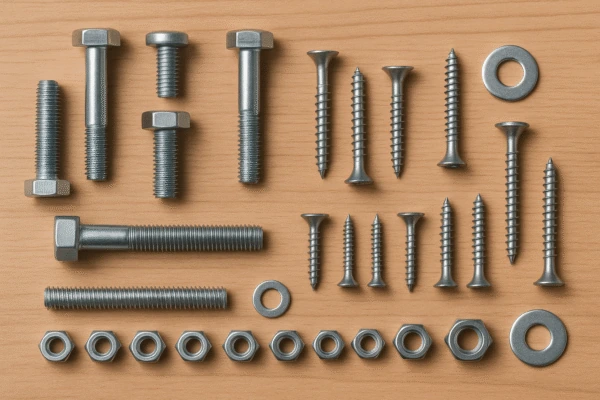
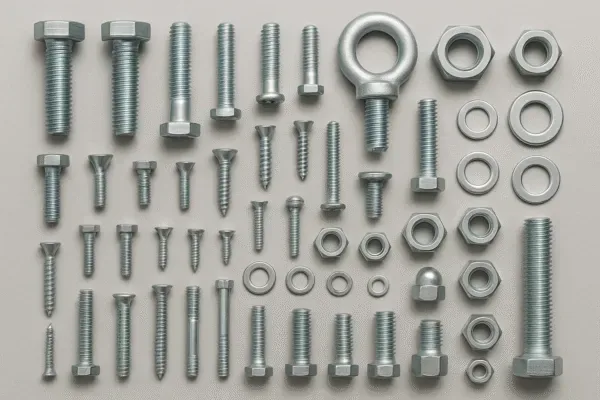
Confused by the overwhelming variety of metal fasteners? Choosing the wrong type or finish can lead to costly failures, project delays, and structural issues.
Metal fasteners come in various types like bolts, screws, nuts, and rivets, each with unique materials and finishing options. Selecting the right fastener depends on your project's specific needs, environment, and durability requirements.
In this comprehensive guide, I'll clearly explain the essential types, materials, and finishes for metal fasteners. Keep reading to ensure you always choose the ideal fastener solution.
What Are the Different Types of Metal Fasteners?
Choosing the wrong type of fastener can weaken your entire structure, leading to dangerous failures.
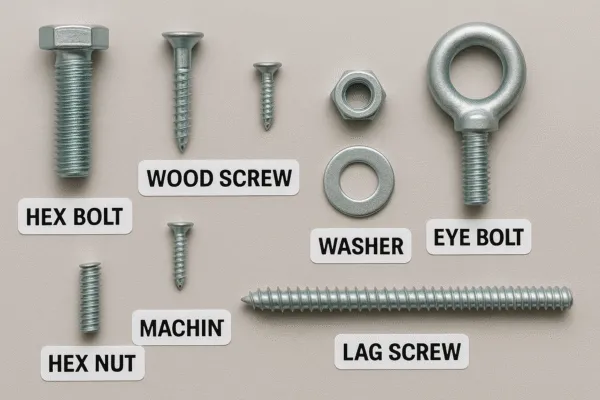
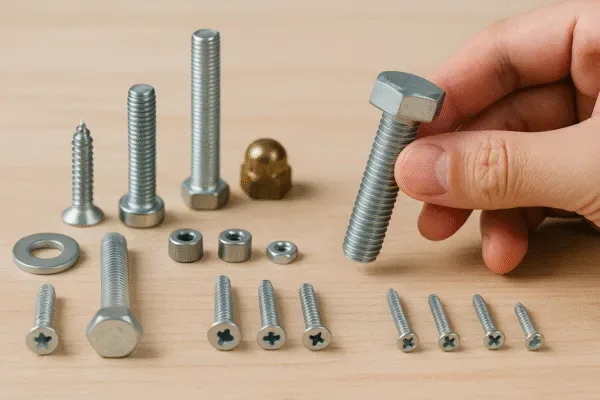
Common metal fasteners include bolts, screws, nuts, washers, and rivets. Each has specific applications based on strength, design, and installation needs.
Dive Deeper: A Closer Look at Fastener Types
Understanding fastener types helps avoid costly mistakes. Here’s a quick breakdown:
Common Metal Fastener Types
| Type | Description | Applications |
|---|---|---|
| Bolts | Threaded shafts tightened with nuts | Machinery, structural connections |
| Screws | Threaded shafts are driven directly into the material | Assembly, woodworking, electronics |
| Nuts | Threaded internally to mate with bolts | Structural assembly, automotive |
| Washers | Flat rings distribute the load | Protecting surfaces, distributing load |
| Rivets | Permanent, smooth-headed fasteners | Aircraft, automotive, sheet metal |
At Prime, we produce and supply ISO-certified metal fasteners, ensuring durability and consistency across diverse industries. Select bolts and nuts when structural integrity is vital. Use screws for quicker, direct connections. Rivets excel in permanent joints that must withstand vibration.
Which Material Is Best for Metal Fasteners?
Choosing an inappropriate fastener material weakens connections, resulting in corrosion or mechanical failure.
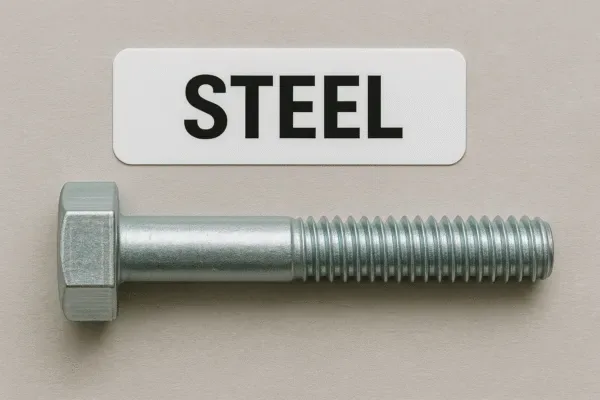
Typical fastener materials include stainless steel, carbon steel, aluminum, brass, and titanium. Each has strengths suitable for different environments and demands.
Dive Deeper: Detailed Material Selection Guide
Consider this detailed comparison of common materials:
Metal Fastener Material Comparison
| Material | Strength | Corrosion Resistance | Typical Use Environments |
|---|---|---|---|
| Stainless Steel | High | Excellent | Marine, chemical exposure |
| Carbon Steel | Very High | Poor (without coating) | General construction, machinery |
| Aluminum | Moderate | Very Good | Aerospace, automotive, lightweight structures |
| Brass | Moderate | Good | Decorative, electrical components |
| Titanium | Very High | Excellent | Aerospace, medical, corrosive environments |
Stainless steel fasteners, widely provided by Prime, excel in humid or harsh environments due to superior corrosion resistance. Carbon steel offers unmatched strength but requires protective finishes. Aluminum is ideal for lightweight applications, while titanium serves demanding, corrosion-prone industries like aerospace and medical equipment.
What Are the Common Finishing Options for Metal Fasteners?
Choosing improper finishes increases corrosion risks, damages aesthetics, and weakens your structures over time.
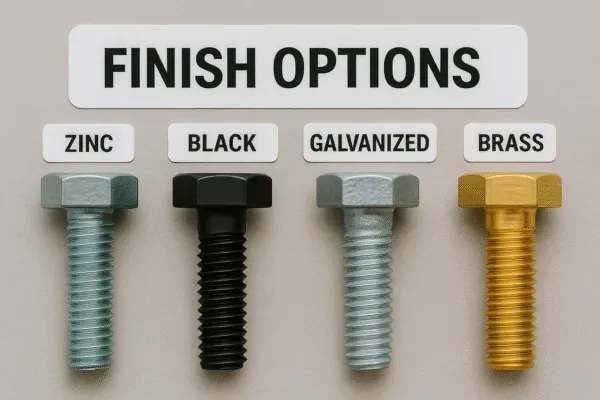
Common finishing options include zinc plating, galvanizing, anodizing, powder coating, and black oxide. Each provides specific protection levels and aesthetics.
Dive Deeper: Pros and Cons of Fastener Finishing Options
Here's a helpful comparison table to guide your finish selection:
Metal Fastener Finishing Options
| Finish Type | Corrosion Resistance | Appearance | Typical Applications |
|---|---|---|---|
| Zinc Plating | Moderate | Bright metallic | Automotive, indoor structures |
| Galvanizing | High | Matte gray | Outdoor structures, marine |
| Anodizing | High | Customizable colors | Aluminum components for decorative use |
| Powder Coating | High | Durable, various colors | Aesthetic structures, outdoor use |
| Black Oxide | Moderate | Matte black finish | Precision tools, automotive parts |
At Prime, we carefully match fasteners with optimal finishing options. Zinc plating offers reliable protection for automotive and general indoor use. Galvanizing provides exceptional outdoor protection. Choose anodizing for attractive, corrosion-resistant aluminum components. Powder coating ensures durable, customizable finishes. Black oxide is ideal for reducing glare and corrosion on precision tools.
How Do You Choose the Right Metal Fastener?
Selecting the wrong fastener causes costly delays, weakened structures, and potential safety risks.
Choose metal fasteners based on strength requirements, environmental exposure, installation method, and aesthetic considerations. Consider material strength, corrosion resistance, and finishing carefully.
Dive Deeper: Step-by-Step Fastener Selection Guide
Follow this simplified process to select the perfect fastener:
1. Determine Application Type
Identify structural or non-structural requirements.
2. Assess Environmental Conditions
Check if your fastener will be exposed to moisture, chemicals, or extreme temperatures.
3. Identify Required Strength
Decide if high-tensile strength or moderate strength is sufficient.
4. Select Material and Finish
Match the material and finish to the environmental and strength requirements.
5. Confirm Installation Method
Ensure ease of installation and future maintenance compatibility.
Prime specializes in providing customized recommendations based on your project. With over 20 years of industry experience and ISO-certified quality, we ensure precise and reliable metal fastener solutions.
FAQs About Metal Fasteners
What’s the strongest metal fastener?
High-tensile carbon steel and titanium fasteners offer the highest strength, suitable for demanding structural applications.
Are stainless steel fasteners rustproof?
Stainless steel fasteners resist rust effectively but are not entirely rustproof in highly corrosive environments without proper grade selection.
Can fasteners with black oxide coating withstand outdoor use?
Black oxide coatings provide limited corrosion resistance, making them suitable mainly for indoor use unless treated with additional corrosion-resistant coatings.
Which fastener material is best for marine use?
Marine-grade stainless steel (316) or galvanized steel fasteners are best for marine environments due to excellent corrosion resistance.
How do I decide between zinc-plated and galvanized fasteners?
Choose zinc-plated for moderate indoor corrosion protection. Galvanized fasteners offer superior outdoor corrosion resistance, ideal for harsh environments.
Conclusion
Identifying the correct fastener type, material, and finish ensures structural integrity, cost efficiency, and durability for every project.
Prime provides high-quality, customizable metal fasteners quickly and reliably. Contact us today through our website for free professional advice, quotes, and tailored solutions matching your exact project requirements.
Trust Prime—your partner in precision, reliability, and quality.
