
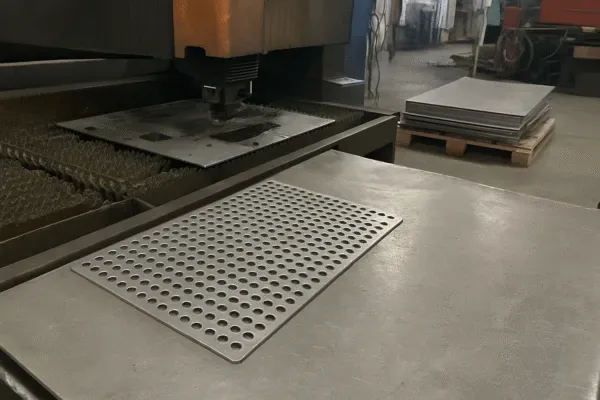
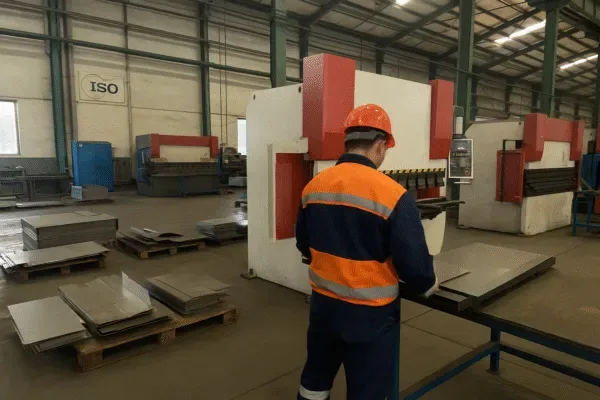
One wrong bend or one wrong hole can destroy your whole production schedule.
Overseas buyers should verify drawings, materials, tolerances, coatings, packaging, capacity, and communication before any sheet metal fabrication China order. A structured checklist, plus a proven sheet metal manufacturer working under an ISO 9001 quality management system, cuts quality risk, delays, and hidden cost.
As an OEM or distributor, you do not fear low prices. You fear surprises. I speak with industrial purchasing managers every week and see the same patterns. In this guide, I share the 15 checks I use with overseas buyers and show how our factory supports each point. Then you can place your next order with much more control.
Why do so many sheet metal orders from China go wrong?
Many managers tell me the same story. The quote looks fine, but the shipment does not.
Many sheet metal orders from China fail because buyers and suppliers do not align early on drawings, process control, and export packaging. Missing structure creates rework, delays, and expensive emergency freight.
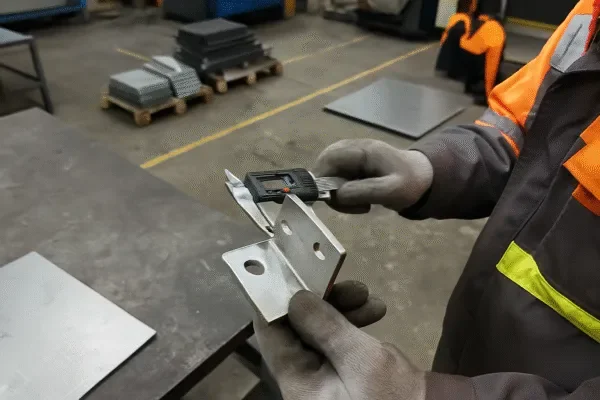
How typical failures look from a purchasing manager’s view
I hear these scenes again and again. A batch of brackets arrives and holes do not line up. A sheet metal enclosure door closes, but gaps look uneven. A full pallet of panels reaches your warehouse with crushed cartons and bent corners. You then face rework, claims, and late deliveries to your own customers.
Often the PO price is not the main problem. The real causes sit in missing details before production. Drawings do not mark CTQ dimensions. No one defines which faces count as cosmetic surfaces. The sheet metal parts supplier guesses how strong “export packing” should be. You assume they think like your internal engineers, but they do not.
I like to lay these pain points out in one simple table when I first talk with a new buyer.
| Common issue | What you see on arrival | Real hidden cause |
|---|---|---|
| Holes do not line up | Extra drilling and slot adjustment | No clear CTQ list or tolerance on drawing |
| Doors do not close smoothly | Uneven gaps, noise, and complaints | Poor fixtures and weak flatness control |
| Coating chips or early rust | Claims after installation | Wrong pre-treatment or low film thickness |
| Bent or twisted sheet panels | Scrapped panels and sorting time | Under-designed cartons and pallets |
| Unstable lead times | Rush orders and air freight costs | No real capacity or material planning |
My first goal is not to push you for a PO. My first goal is to remove these failure modes with a simple, repeatable system. Once we stabilize structure, we can talk price with far less risk on both sides.
Quick action: If you already had one failed shipment, send me a photo and the drawing. I can show you where the process broke and how we would block that risk at Prime.
What 15-point checklist do top OEM buyers use before every order?
The best purchasing managers I know rely on checklists, not memory. They know that details slip when pressure grows. So they use a fixed list before they send any PO for sheet metal fabrication China.
A strong pre-order checklist covers drawings, materials, tolerances, welding, coatings, packing, documents, and lead time. When you review these 15 items with a sheet metal manufacturer, you avoid most classic problems. Clear resources like this sheet metal design guide help your team see how bends, cutouts, and tolerances affect manufacturability.
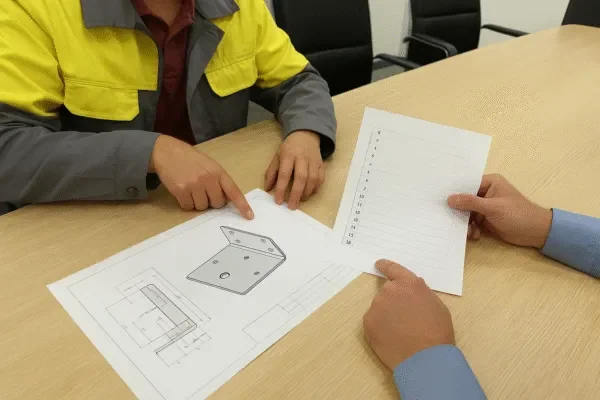
The 15 checks I run with overseas customers
I keep this list on my desk. I use it for Siemens-style enclosures, small brackets, and large cabinets. You can mirror it inside your own sourcing process.
| # | Checklist item | What you should lock before PO |
|---|---|---|
| 1 | Latest 2D / 3D files | Revision, units, and all needed views |
| 2 | Material grade and thickness | Steel or aluminum grade, thickness, tolerance |
| 3 | CTQ dimensions | Holes, gaps, key interfaces marked in red |
| 4 | Bending details | Bend radius, angle, and grain direction |
| 5 | Welding method and appearance | MIG, TIG, or spot, visible or hidden welds |
| 6 | Surface treatment and color code | Powder code, plating type, corrosion level |
| 7 | Functional and test needs | Fit tests, load tests, special checks |
| 8 | Sample quantity and approval rules | How many pieces, what you inspect, who signs |
| 9 | Packaging level | Inner bags, foam, carton grade, pallet type |
| 10 | Labeling and traceability | Part number, batch, barcode if needed |
| 11 | Lead time and shipment plan | Sample lead time, mass lead time, buffers |
| 12 | Quality documents | Material certs, RoHS, inspection reports |
| 13 | Standards to follow | Your company or industry standards |
| 14 | Change control process | How both sides handle drawing updates |
| 15 | Main contact and response rules | Channels, timezone, escalation route |
Want a printable version? You can turn this table into a PDF and share it inside your sourcing team.
When I run this checklist on a call, I see trust grow. You see exactly how we think and where risk hides. You also see how your own team can sharpen RFQs before they reach any sheet metal parts supplier.
Next step: Email your drawings and ask me to “run the 15 checks”. I will return a marked PDF with comments plus a clear quotation.
How do we control each fabrication step from cutting to coating?
You already know the process names. But you want to see how a real China factory connects them with control, not only with experience.
At Prime, we control each step of sheet metal fabrication China with written methods, fixtures, and in-process checks. We link drawing, laser, bending, welding, and coating through one quality system.
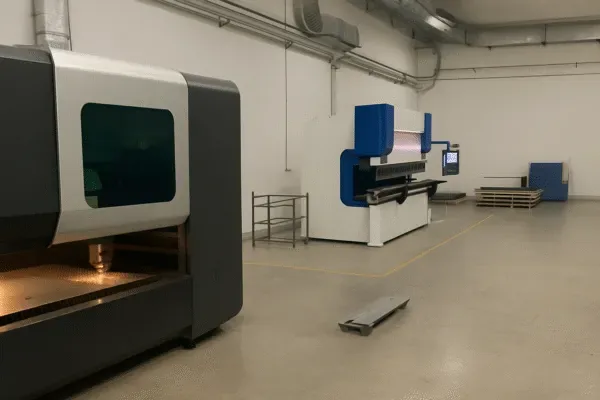
Our sheet metal project flow from RFQ to shipment
When I explain our flow, I like to show this simple diagram:
RFQ → DFM review → Programming → Laser cutting / punching
→ Bending → Welding → Grinding / deburring
→ Surface treatment → Assembly → Final QC
→ Packing → Shipment
Then I translate each step into buyer value.
| Step | What we do in our plant | Your direct benefit as buyer |
|---|---|---|
| DFM review | Check drawing, suggest risk and cost improvements | Fewer surprises and repeat issues |
| Programming | Nest parts, set cutting and bending programs | Better material yield and stable repeats |
| Cutting / punching | Control burr, flatness, and part ID | Clean blanks ready for bending |
| Bending | Use correct tools, check angles and key gaps | Consistent fit and less assembly stress |
| Welding | Use fixtures and planned sequence | Lower deformation and better strength |
| Grinding / deburr | Remove sharp edges, refine visible faces | Safer handling and nicer appearance |
| Surface treatment | Pre-treat, coat or plate, test thickness | Defined corrosion performance |
| Assembly | Follow sequence, check function | Ready-to-install assemblies when needed |
| Final QC | Inspect CTQs and appearance | Objective pass or hold decisions |
| Packing | Use agreed inserts, labels, and pallets | Fewer transport damages and claims |
In many projects, we also combine sheet metal fabrication, welding, and surface treatment under one internal project code. So we keep one data trail from raw material to final pallet. You then receive clear reports instead of scattered updates.
📩 Try this: Send one current drawing and ask how we would control each step. I will answer in the same table format, so you can compare with your current sheet metal manufacturer.
How should you choose materials, tolerances, and coatings to avoid rework?
I see many issues that start with vague specs. Material just says “steel plate”. Coating just says “grey powder”. Tolerances say “as per standard”, but no one knows which one.
You avoid most rework when you match material, tolerance level, and coating system to real use cases. Clear specs help any sheet metal fabrication China factory design tools and tests that actually protect you.
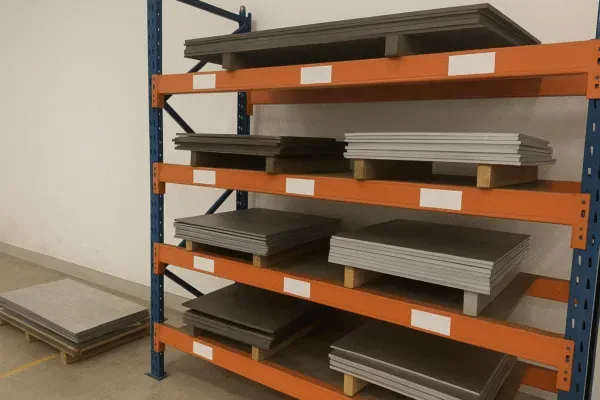
Material comparison from real projects
I start with your environment and product life. Then I propose material options like this.
| Material | Typical use | Main advantages | My field notes |
|---|---|---|---|
| SPCC | Indoor brackets, internal covers | Low cost and easy forming | Always pair with paint or plating |
| SECC | Electrical cabinets, control boxes | Zinc coat and good corrosion control | Very common for Siemens-style enclosures |
| SUS304 | Food, medical, light outdoor parts | Strong and stable corrosion resistance | Good balance for many critical projects |
| SUS316 | Marine and harsh chemical zones | Very high corrosion resistance | Use when 304 and paint are not enough |
| AL5052 | Lightweight housings, telecom parts | Low weight and good corrosion | Needs larger bend radius and good fixturing |
Next, we speak about tolerances. I ask you to mark truly critical dimensions in red on your drawing. These CTQs often include hinge holes, panel cutouts, and mounting faces. We agree realistic values for them. For non-critical features, we use general tolerance ranges that keep cost and throughput under control.
For coatings, I always ask three simple questions. Indoor or outdoor? Close to sea or not? Cosmetic focus or long life focus? These answers guide our choice of pre-treatment, powder thickness, or plating system.
| Topic | Question I ask you | How it shapes the process |
|---|---|---|
| Material | Where will the part work and for how long? | Drives grade choice and thickness |
| Tolerance | Which dimensions really affect function? | Defines CTQs, jigs, and inspection load |
| Coating | Indoor, outdoor, or harsh conditions? | Guides pre-treatment and coating type |
For internal engineering discussions, guides such as the Hubs sheet metal fabrication guide, the Protolabs sheet metal design guidelines, and sheet gauge references like this sheet metal gauge chart give your team a wider view of thickness ranges, bend rules, and practical tolerances.
📩 Your move: When you send drawings, add one short “use case” note. My team will return suggested material and coating options, plus a quote, so you see technical and commercial impact together.
What real cases prove the value of a strong China sheet metal partner?
You hear many claims from suppliers. But as a purchasing manager, you trust results. So I prefer to show simple stories with clear before and after.
Real sheet metal fabrication China projects show how better drawings, fixtures, and packing cut rework and stabilise quality. When a partner solves root causes, you gain time, not only lower piece price.
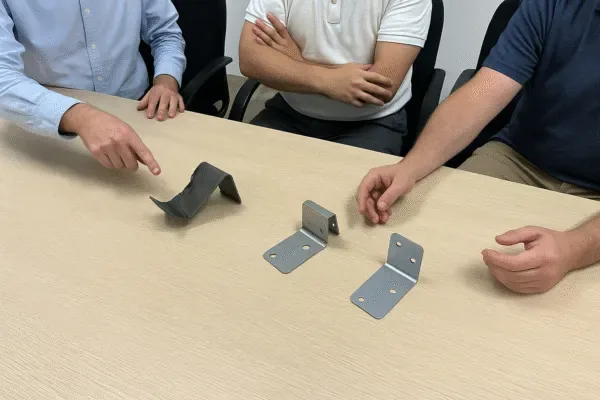
Two projects that mirror many others
Here are two short cases from my daily work that may sound familiar. You can also browse more examples in our case studies.
| Case | Before working with us | After our solution |
|---|---|---|
| US automation | Misaligned bracket holes and high rework | Redesigned holes, added gauges, zero complaints |
| EU cabinet OEM | Chips in coating and early rust at edges | New pre-treatment, thicker coat, stable surfaces |
Case 1 – US automation brackets
A US automation buyer used three vendors for a family of brackets. Each delivery caused extra drilling in their own workshop. Their operators hated those parts. We reviewed their drawings and found stacked tolerances across several mating holes. We simplified dimensions, changed some slots, and built simple checking fixtures. Within three shipments, they reported zero rework on that part family.
Case 2 – EU outdoor cabinets
A European OEM sent cabinets to coastal regions. After one winter, their service team saw rust spots around cutouts. The previous supplier repeated the same thin coating every time. We checked the environment, changed the pre-treatment, increased powder thickness, and refined edge grinding. We also upgraded export packaging. Their service tickets for that cabinet dropped sharply, and they kept our coating spec for later models. For coastal and harsh environments, we also reference independent guidance such as Hempel’s corrosion protection guide for steel structures when we discuss coating systems.
📩 Ask for a mini case review: If you share one “problem child” part, I can suggest drawing changes and packing upgrades, plus a quote, so you see full impact in one view.
Why do global OEMs trust Prime as their sheet metal fabrication China partner?
Process is important, but you also need to judge the company behind it. You want a real factory, not only a trading logo.
Prime is a China-based factory with over 20 years in metal parts, ISO-certified quality, and ten production lines. We act as a technical sheet metal manufacturer and a one-stop source for related components.
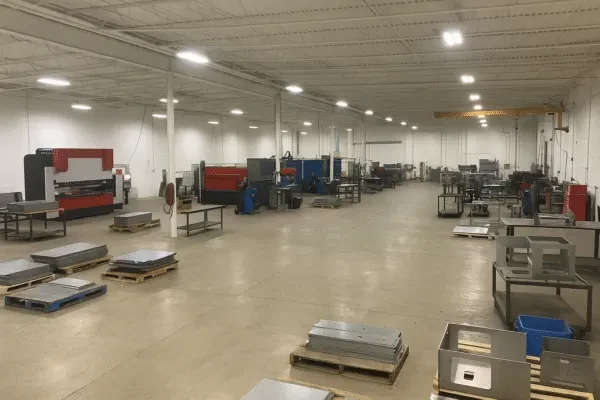
Our factory capabilities in simple numbers
Here is how I usually introduce Prime to industrial buyers during first calls.
| Item | Prime capability summary |
|---|---|
| Company type | Factory, B2B, wholesale only |
| Founded | 1993 |
| Production lines | 10 lines across sheet metal, stamping, CNC, welding, casting, fasteners, plastics |
| Certification | ISO international quality certification |
| Main export markets | North America, Europe, Middle East, Australia, and others |
| Core products | Stamping parts, CNC parts, welding parts, casting parts, fasteners, plastic parts |
| Services | DFM support, sampling, one-stop consolidation, export logistics support |
We do not buy and resell from other factories. We run our own machines and our own people. So when you ask for a change on a bend or a weld, my engineering team can walk a few meters and update the program or fixture.
Certified quality with ISO-style systems
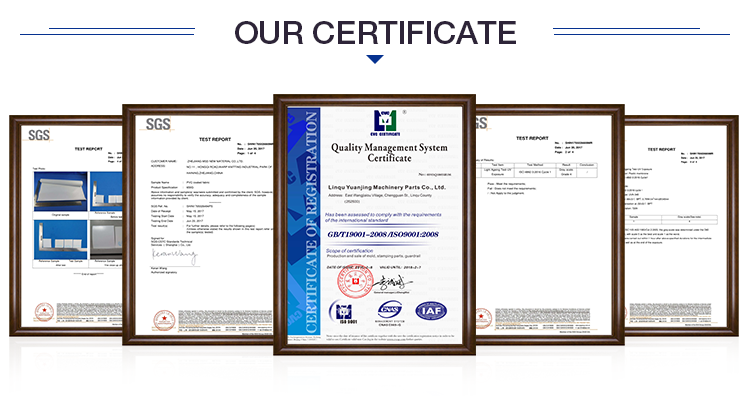
We operate under an ISO 9001–based quality management system audited by a recognized body.
- Standard: ISO 9001–based quality management system
- Scope: Manufacturing of metal components and related assemblies
- Focus: Process control, traceability, and continuous improvement
Because we combine sheet metal, CNC parts, fasteners, and plastics, you can place one consolidated project. We then ship matched parts in one container. This reduces your supplier base and your coordination load.
📩 Capability kit: If you need internal approval for a new China supplier, ask me for a “supplier intro pack”. I can send plant photos, equipment lists, and certificate scans in one PDF.
What should an ideal sheet metal RFQ include for accurate quotes?
Even strong factories struggle when RFQs arrive without structure. You also suffer, because you cannot compare quotes easily.
An ideal RFQ for sheet metal fabrication China includes clear technical files, volume plans, standards, and packing rules. A structured RFQ saves days of email and delivers cleaner offers from each sheet metal manufacturer.
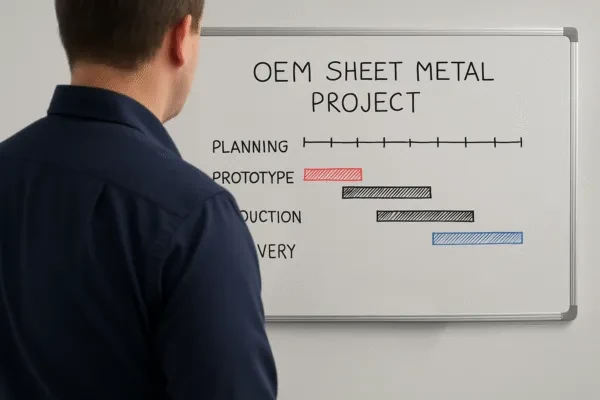
RFQ layout I recommend to purchasing managers
I like to split every RFQ into four clear blocks.
| RFQ block | Key elements you include | Why it helps you |
|---|---|---|
| Technical | Drawings, models, specs, and standards | Avoids wrong process choices and guesswork |
| Commercial | Volumes, order pattern, and timing | Helps plan batch sizes and long term capacity |
| Quality | Standards, test plans, and documents | Aligns inspection effort and fixture design |
| Logistics | Port, packing, labels, and pallets | Reduces damage and speeds warehouse handling |
Here is how an RFQ for a control cabinet might look in practice.
| RFQ part | Example content |
|---|---|
| Summary | Sheet metal enclosure for automation cabinet |
| Files | 2D PDF, 3D STEP, BOM, layout of all cutouts |
| Material and thickness | SECC 1.5 mm for doors, SPCC 2.0 mm for frame |
| Quantities | 300 sets per order, forecast 900 sets per year |
| Key tolerances | Door gap, hinge holes, busbar cutout positions |
| Coating | RAL7035 powder, defined gloss and thickness |
| Tests | Fit test with door, functional latch test |
| Documentation | Material certs, RoHS, inspection report per batch |
| Packing | Foam inserts, labels, four-way pallets, stretch film |
| Timing | Prototype in 10 days, mass production in 30 days |
If cost optimization is also a focus, you can combine this RFQ structure with the ideas in our sheet metal cost article 6 Ways to Reduce Your Sheet Metal Parts Cost.
📥 Template offer: Send your current RFQ and I can mark missing points. Then I will send a tuned version that works better with Chinese sheet metal parts suppliers.
How will we support your next order from RFQ to shipment?
You do not have time to micro-manage every supplier. So you need a clear project path and one accountable person on the factory side.
We support your sheet metal fabrication China project with one project owner, fixed milestones, and regular updates. You get visibility from DFM review to final pallet photos.
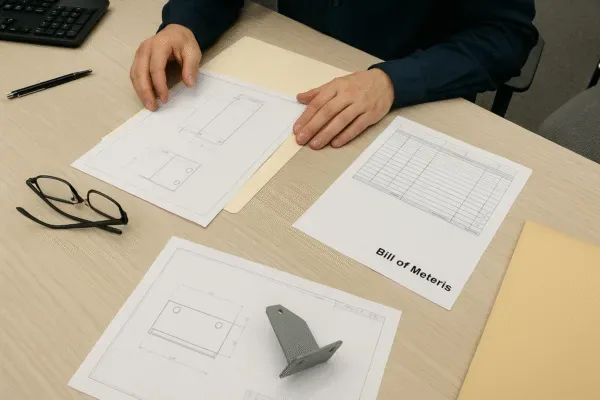
Our project flow with clear handshakes
I use a simple flowline when I explain how we work with overseas OEMs.
RFQ → Technical review → Commercial agreement → Samples
→ Sample approval → Mass production → Final QC
→ Packing → Shipment → After-sales follow-up
Then I attach clear responsibilities to each stage.
| Stage | What we do | What you receive |
|---|---|---|
| Technical review | DFM comments and risk notes | Marked drawings and process suggestions |
| Commercial | Confirm price, terms, and lead time | Proforma invoice and initial schedule |
| Samples | Produce parts under planned process | Samples, QC report, and packing proposal |
| Mass production | Plan capacity and track progress | Status updates and workshop photos |
| Final QC | Inspect CTQs and appearance | Inspection data and release confirmation |
| Packing / shipment | Build packing and load containers | Packing photos, packing list, and tracking |
| After-sales | Review feedback and adjust | Better specs and methods for next batches |
On critical projects, I like to send short weekly updates with photos. These messages give you live visibility, so you do not guess what happens in the factory.
📩 Fast lane option: If your next build has a hard launch date, tell me that date when you send the RFQ. I can then design the project plan backward from that point.
FAQs about sheet metal fabrication China and supplier selection?
Many industrial buyers ask similar questions before they trust a new sheet metal manufacturer. You may ask the same. So I answer the most common ones here.
Typical FAQ topics include MOQ, lead time, consolidation with other parts, documentation, and IP protection. Clear answers help you judge fit before you send your first drawing.
Key FAQs from purchasing managers
| Question | Short answer |
|---|---|
| Do you accept small trial orders? | Yes, we support engineering runs and pilot batches. |
| What is a normal lead time for custom sheet metal parts? | Samples often need 7–15 days, mass batches 25–35 days. |
| Can you consolidate CNC, casting, and fasteners with sheet metal? | Yes, we run all these lines in our own factory. |
| How do you protect my drawings and IP? | We sign NDAs and control file access inside our system. |
| Can you follow my company standards and test plans? | Yes, we align our control plan with your standards. |
| Which file formats do you accept? | PDF, STEP, DWG, and other major 3D formats. |
| How fast do you answer RFQs? | We normally reply within one working day. |
If you still feel unsure, you can start with one pilot part. We treat small and large projects with the same system. So you can test our communication and stability with low risk.
For more general topics about capabilities, customization, and logistics, you can also browse our broader FAQs.
📩 Pilot idea: Choose one part that causes you the most stress today. Send that drawing first and compare our response to your current sheet metal manufacturer.
Which reference domains can help you verify standards and best practice?
As a purchasing manager, you often need to validate what suppliers say. You may not read full standards, but you like to know where they live.
Several public domains share information on ISO systems, sheet metal design, materials, and coatings. These sources help you speak the same language as your engineering and quality teams.
Here are domains that my team and many buyers use as reference:
| Domain | What you usually find there |
|---|---|
iso.org |
ISO 9000 family quality and technical standards and guidance on use |
thefabricator.com |
Practical sheet metal and press brake bending fundamentals |
komacut.com |
Clear explanation of sheet metal fabrication processes and applications |
xometry.com |
Design guide, tolerances, and DFM tips for sheet metal parts |
hubs.com |
Independent sheet metal fabrication design guide for engineers |
industrialmetalsupply.com |
Sheet metal gauge charts and thickness references |
protolabs.com |
Detailed sheet metal fabrication design guidelines and tolerances |
hempel.com |
Coating and corrosion protection guidance for steel structures |
You do not need to show these links to us. But they can support your internal training and cross-checking when you prepare your next RFQ.
Conclusion
Use our 15-point checklist, factory-backed controls, and free DFM review to make your next China sheet metal order safe and profitable.
If you plan a new sheet metal fabrication China project now, I welcome you to contact Prime today. You can send enclosure or bracket drawings, expected quantities, and target lead time. My team will respond quickly with a free DFM review, a detailed quotation, and a realistic delivery plan. We move fast on samples, keep quality stable with our ISO quality system, and ship with export-grade packaging. If your colleagues need more background on our factory, you can also share our company profile. When you are ready, please reach us through our website or WhatsApp and send an inquiry, so we can start building your next successful sheet metal project together.